
Turmeric beat placebo by 0.7 points. One researcher says save your money
A Cochrane review of four randomized trials and 370-plus knee osteoarthritis patients found turmeric's edge over placebo pills was half the size patients need to feel, and the supplement aisle's favorite joint remedy did nothing for daily function.
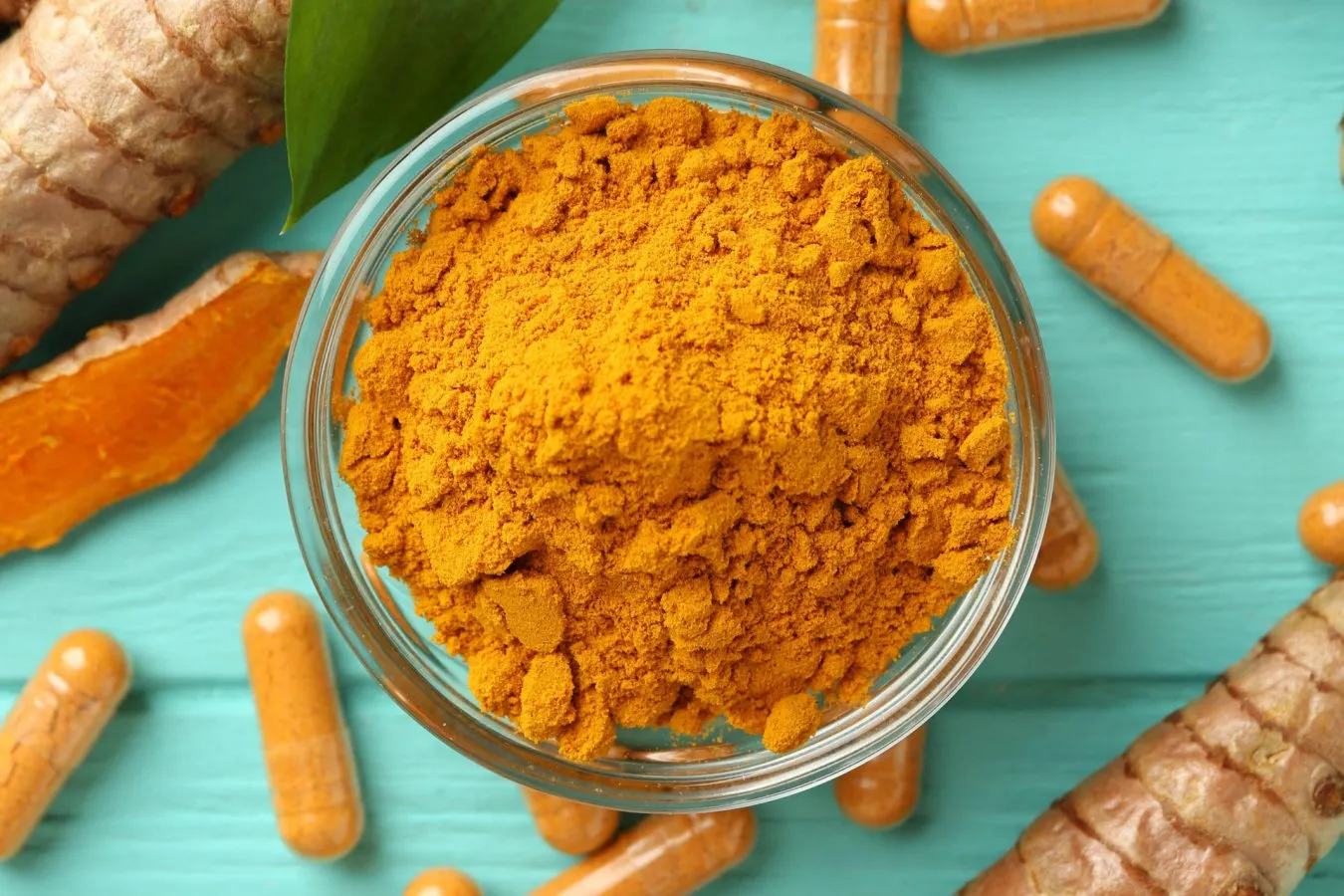
Ivan Shirinsky of the Research Institute of Internal and Preventive Medicine in Novosibirsk led a Cochrane Library review of four randomized controlled trials, together covering more than 370 people with knee osteoarthritis, finding turmeric extract cut pain by 2.3 points versus 1.6 for placebo, half the difference considered meaningful to patients. For operators and investors in the supplement category, it is a fresh test of how thin the evidence base under a multi-billion-dollar wellness shelf really is, and a reminder that a Cochrane-grade review can move consumer trust faster than any marketing budget rebuilds it.
The turmeric-versus-placebo scoreboard is not close, and that is the problem. In a new Cochrane Library review of four randomized controlled trials collectively involving more than 370 people with knee osteoarthritis, participants who took placebo pills reported their knee pain falling by an average of 1.6 points on a 0 to 10 scale by the end of the study. Those taking turmeric extract fell 2.3 points. That 0.7-point edge sounds like a win until you apply the yardstick the reviewers used: the gap was half of what prior studies say is required for patients to register a difference that actually matters. So the pills did beat placebo. They simply did not beat it by enough for anyone to notice.
The review, published in the Cochrane Library (DOI: 10.1002/14651858.CD014683), is described as one of the most rigorous assessments of this evidence to date. Ivan Shirinsky at the Research Institute of Internal and Preventive Medicine in Novosibirsk, Russia, and his colleagues pooled four randomized controlled trials in which participants were assigned either a turmeric extract supplement or placebo pills two or three times per day, for between eight weeks and three months. Every trial used a slightly different supplement carrying a different curcumin dose. "We looked at the most rigorous evidence available," Shirinsky says. That matters for how you read the result: this is not a weak observational study being waved around. It is the best-designed slice of the literature, and it still lands with a shrug.
The commercial context is what makes that shrug expensive. Turmeric capsules are widely touted as remedies for joint problems, sold on the appeal of curcumin, the compound that gives turmeric its yellow colour and is thought to have anti-inflammatory properties. Shirinsky's read is that such beliefs are often based on prior flawed studies, which is the quiet recurring problem in the supplement aisle: promising early signals get amplified into shelf space and influencer testimonials long before anyone runs the trial that could kill them. The market they speak to is enormous. Osteoarthritis affects more than 500 million people worldwide and is caused by damage to the cartilage that cushions the ends of bones, producing pain, stiffness and inflammation. Standard treatments, painkillers and anti-inflammatory drugs, can ease symptoms, but not reliably. "But many people see little or no benefit," says Philip Conaghan at the University of Leeds in the UK, who was not involved in the latest review. That gap between what medicine delivers and what patients want is exactly where turmeric found its customers.
The functional results are blunter than the pain numbers. Surveys in the trials revealed that turmeric supplements had no meaningful effect on participants' quality of life or their ability to carry out everyday activities such as walking, getting up from a chair or climbing stairs. Pain scores move a little; lives do not move at all. Which is why Conaghan's advice to anyone currently buying the capsules is unusually direct for a researcher reviewing someone else's work. "If somebody is taking one of these therapies and thinks it is helping their symptoms, I would never force them to stop," he says, since it could be working for some people. "But the evidence suggests it's not going to help you. I would save your money."
The caveats are real, and they cut in an uncomfortable direction. Shirinsky is careful to say the findings cannot provide a definitive answer. "All included studies used different formulations of turmeric, and this reduced the certainty of the evidence," he says. The review was also not strong enough to draw conclusions about turmeric's potential side effects, and that is not a neutral blank: curcumin supplements have previously been found to cause liver problems in some people. For a product bought over the counter by people who assume "natural" means "risk-free", an unmeasured safety question sitting under an unproven benefit is a poor trade.
The obvious next step would be further randomized controlled trials testing a standardized curcumin supplement, which could address the formulation problem and the safety gap at once. Conaghan does not think it is worth funding. His reasoning is mechanistic: studies have shown curcumin is not easily absorbed into the blood following ingestion, meaning it is unlikely to reach joints in the first place to have any effect. "There are not enough clues in [existing research] to give me confidence that we should do more trials in this area," he says. That is a rare thing, a scientist arguing against more science on his own topic, and it tells you how little he thinks is left to find.
For anyone whose business touches the wellness shelf, the strategic read is less about turmeric specifically than about the evidence bar. Cochrane reviews carry weight with clinicians, insurers and increasingly with consumers who check before they buy, and a verdict like this one travels: into pharmacy conversations, into employer health plans, into the comment section under a supplement brand's best-performing post. The category's defense has always been the personal one, that it might help some people, and Conaghan grants that much. It is a thin moat. The brands that survive a decade of this kind of scrutiny will be the ones that ran the standardized trial before someone else ran the review, and the buyers who come out ahead are the ones who ask which of those two things happened first. On curcumin for knee osteoarthritis, the answer is now on the record: the review got there first.
This story's Key Insights and Take-aways are locked.
Create a free account to unlock Executive Actions for one credit.
Register to UnlockAlways free for Executives Club members. Join the Club
More in Science

Anthropic's I.P.O. Made Rank-and-File Researchers Worth Tens of Millions
Researchers who joined just a few years ago are now worth tens of millions, and the windfall resets the pay benchmark for every private A.I. lab still paying in paper.

Sea Lion Culling Strategy Fails: New Model Says Killing Them Won't Save Salmon
The latest research from AAAS overturn a long-held conservation assumption, forcing policymakers to rethink critical resource allocation in marine ecosystems.

Microplastics do more than pile up: they react with water to damage cells
Scientists have found that plastic particles can generate highly reactive molecules in water, a mechanism that could explain links to heart attacks, strokes, and neurological disorders.