
Ubisoft beat Q2 expectations, then cut 166 jobs in Montreal and Quebec City
A hit Assassin's Creed and a quarter that beat internal targets did not stop Ubisoft from cutting 166 roles, the latest slice of a 1,100-person reduction in six months.
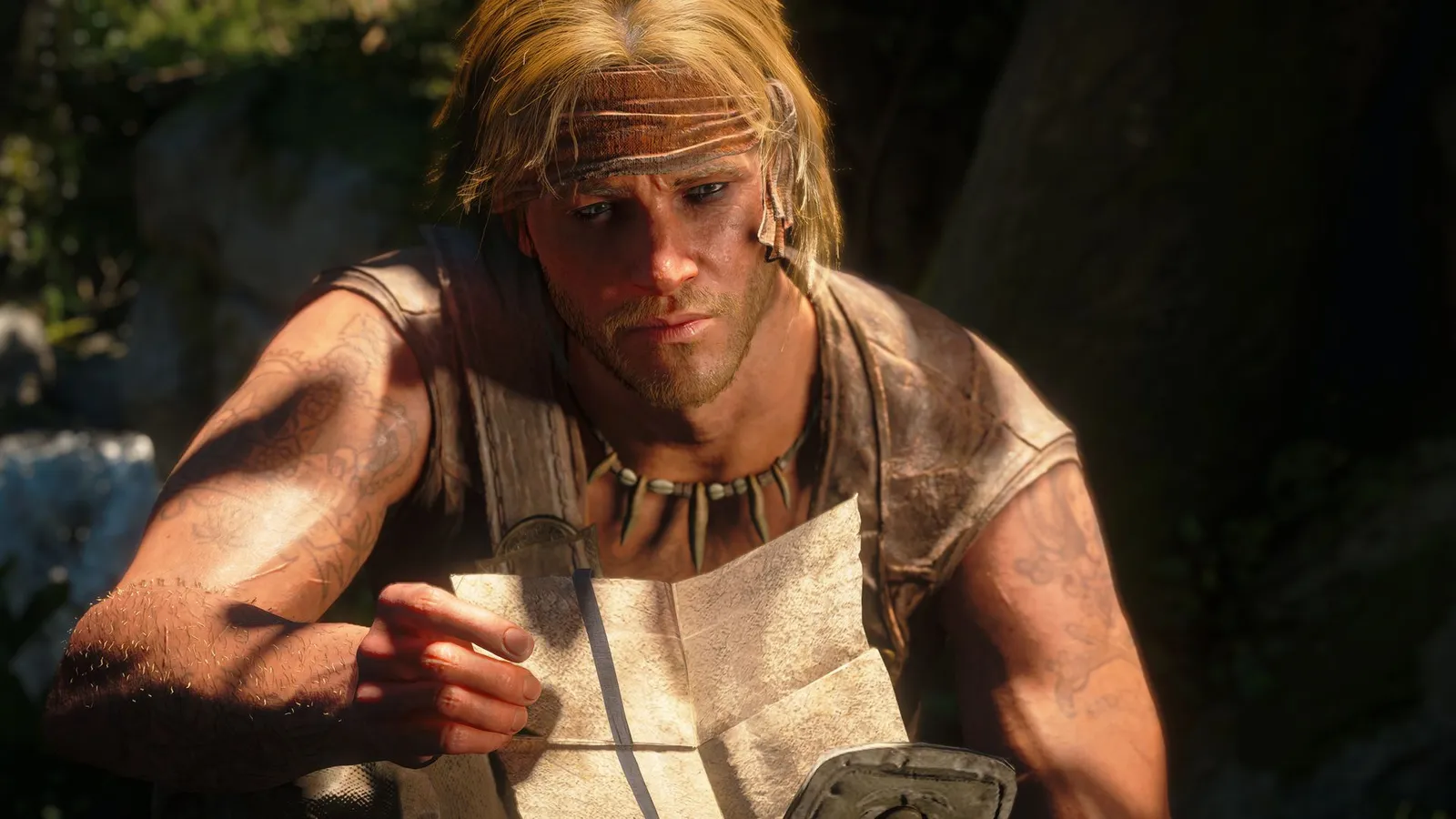
Ubisoft CEO Yves Guillemot reported a Q2 that exceeded expectations on the back of Assassin's Creed Black Flag Resynced, while the company cut 166 jobs at its Montreal and Quebec City studios and disclosed roughly 1,100 fewer employees over six months. For operators and boards, it is the clearest recent proof that a franchise win no longer shields headcount, and that cost discipline is now running in parallel with, not after, commercial success.
Ubisoft is cutting 166 jobs across its Montreal and Quebec City studios, and the timing is the story. In a statement provided to PC Gamer, the company said its "production needs are changing, requiring us to adjust the size of some teams to ensure our resources are aligned with current production priorities and business needs." The cuts reportedly hit employees who could not be assigned elsewhere after their existing projects were cancelled or rescoped. That is a bench being cleared, not a studio in freefall, and the distinction matters for anyone reading Ubisoft's numbers.
The contradiction sits in the company's own words. On the same day it confirmed the layoffs, Ubisoft reported half-year results in which CEO Yves Guillemot said "Q2 exceeded our expectations, driven by the continued success of Assassin's Creed Black Flag Resynced and solid contributions from our broader portfolio." That game was a significant hit earlier this year. It still was not enough to protect jobs: post-launch layoffs landed at developer Ubisoft Singapore. A franchise win and a headcount cut are now arriving in the same quarter, from the same company.
Zoom out and the 166 gets smaller and more alarming at once. In that same half-year financial report, Ubisoft said it has reduced headcount by roughly 1,100 people over the past six months. Ubisoft Montreal, founded in 1997, is one of the biggest game studios in the world, with roughly 4,000 employees as of 2022. Ubisoft Quebec, launched in 2005, says on its website it has "a team of over 600 creative, passionate, and innovative talents." Against those figures, 166 is a low-single-digit percentage of the two studios combined. Against the six-month total, it is the latest slice of something much larger.
This is the latest round in a series of layoffs that have battered Ubisoft since it announced a major restructuring in January. That restructuring followed years of struggle: workplace misconduct scandals, persistent difficulties getting games launched, and underperformance among big releases. The economics of AAA publishing are unforgiving in exactly this way. Big games typically take years and enormous sums to build, and the revenue arrives in spikes tied to a handful of franchise releases. When a project is cancelled or rescoped, the people attached to it become a cost with no near-term output. Historically the industry's answer has been to move them onto another project. When there is no other project, the answer becomes a layoff. That is what "aligned with current production priorities" means in practice.
The strategic lesson for anyone running a creative business: a hit does not buy you headcount. It buys you time, and only if the hit is repeatable. Ubisoft's portfolio leans on a small number of franchises, so one strong Assassin's Creed entry can lift a quarter without repairing the pipeline underneath it. Headcount is also the fastest lever a publisher controls, and the one that shows up in the cost line immediately. Boards and investors should treat the 1,100 figure as the real signal, not the Q2 beat. Six months of reductions at that scale is a structural reset, not a seasonal trim.
The second-order effects land in Montreal and Quebec City, two of the densest game-development clusters in the world, with Montreal long established as one of the industry's major production hubs. Putting 166 experienced developers into the market at once is a hiring opportunity for smaller studios and a wage-pressure event for everyone else. It also raises a retention question: the people most exposed to a cut are those between projects, which often means the ones whose skills are least tied to a single franchise and most portable to a competitor. Rivals hiring in the same city can pick up institutional knowledge cheaply.
What to watch from here. Whether the cuts stop at 166 or continue into the next reporting period. Whether the success of Black Flag Resynced translates into greenlit projects that reabsorb staff, or into more cost discipline. And whether Guillemot's restructuring produces a leaner company without starving the pipeline that generates the hits in the first place. For peers at other publishers, the takeaway is uncomfortable but clear: a strong quarter and a round of layoffs are no longer contradictory. They are the same strategy, executed at the same time.
This story's Key Insights and Take-aways are locked.
Create a free account to unlock Executive Actions for one credit.
Register to UnlockAlways free for Executives Club members. Join the Club
More in Entertainment

GTA 6 banks $3.8bn in one day, torching every launch record
One game just out-earned every video game launch and every single-day film box office haul in history, and the fallout lands on every media CEO's forecast.

GTA VI Racked Up $3.79 Billion in a Single Day, Topping Every Film Ever
A 13-year wait produced a $3.79 billion day, more than any movie has made in its entire run, and it resets the launch math for every studio, streamer, and brand chasing the same attention.

GTA 6 sells 32.5M pre-sales and $3.79B day one, torches 13-year record
Rockstar's sequel didn't just beat Grand Theft Auto V's 13-year-old benchmark; it reset what a launch can be, with 32.5 million pre-sale copies and $3.79 billion in a single day.