
Ubisoft cuts 166 jobs at the studios behind Assassin's Creed and Far Cry
The Montréal and Québec City cuts land inside Vantage Studios, the Tencent-backed unit now holding Ubisoft's biggest franchises, and they signal the portfolio reset is still running.
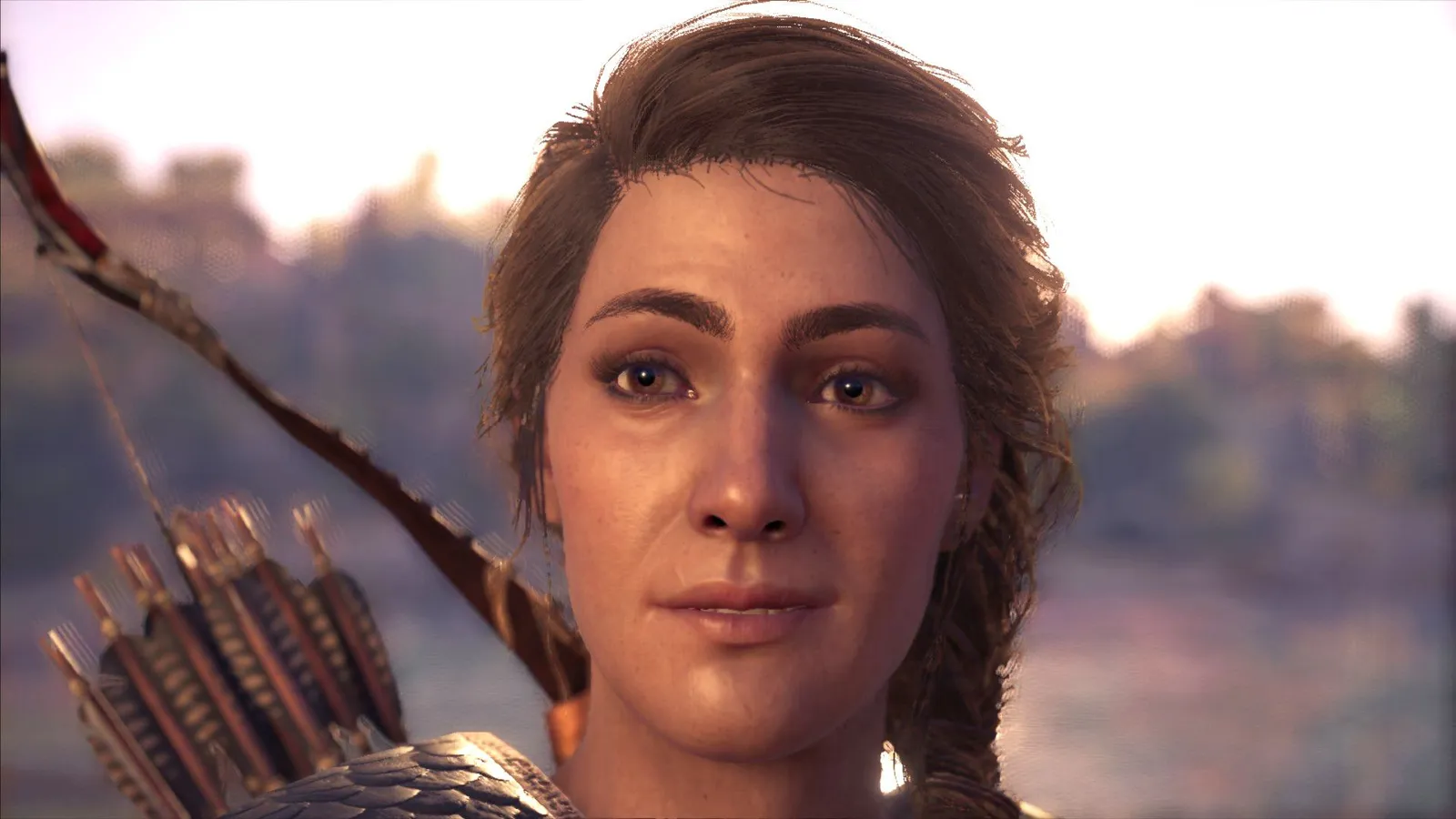
Ubisoft is cutting 166 positions across its Montréal and Québec City operations, the two flagship studios that have led Assassin's Creed, Far Cry, Splinter Cell, and Prince of Persia, with IGN reporting the cuts fall mainly on staff tied to canceled or reworked games. For studio leaders and boards, the move shows how a Tencent-backed franchise consolidation converts portfolio decisions into headcount decisions, and how quickly institutional knowledge becomes the bill.
Ubisoft is cutting 166 positions across its Montréal and Québec City operations, and the number lands hardest because of where it lands: the two studios that have carried Assassin's Creed and Far Cry for most of the past two decades. The publisher's statement, provided to IGN and other outlets, does not dress it up. "Ubisoft is reducing its workforce by 166 positions across its Montréal and Québec City operations," it reads. "As our portfolio evolves, our production needs are changing, requiring us to adjust the size of some teams to ensure our resources are aligned with current production priorities and business needs." The cuts are the latest step in a slow-rolling series of layoffs that has followed Ubisoft's big restructure earlier this year.
The company did not say which projects are affected. IGN reports the layoffs primarily hit employees who had been working on canceled or reworked games, with GamesIndustry.biz and VGC offering near-identical background reporting. That detail is the tell. This is not a studio being shrunk because a franchise underperformed; it is a portfolio being pruned, and the people attached to the pruned projects absorb the cost. For anyone tracking Ubisoft's turnaround, the phrase "as our portfolio evolves" is doing a lot of work. It is the same logic that has driven the wider restructuring, and it points to fewer bets, bigger bets, and less tolerance for anything sitting in the middle.
The stakes are high because of what these two offices are. Ubisoft Montréal has operated since 1997 and is one of the publisher's flagship development houses, having led work on Splinter Cell, Prince of Persia, Far Cry, and Assassin's Creed over the years. It is now leading development on Assassin's Creed Hexe. Ubisoft Québec has similarly led multiple Assassin's Creed titles, including Odyssey and Shadows. Losing 166 people across those two sites is not a trim at the edges of the organization. It is surgery on the teams that generate the company's most recognizable, highest-grossing intellectual property.
The org chart around them has already been redrawn. Both offices are now part of Vantage Studios, a Tencent-backed subsidiary focused on developing games in the Assassin's Creed, Far Cry, and Rainbow Six series. Some of Ubisoft's Montréal operation now also sits inside Massive Entertainment, which primarily handles Tom Clancy-branded titles including The Division, Ghost Recon, and Splinter Cell. Read together, the structure and the layoffs describe a company consolidating its biggest franchises into fewer, more tightly controlled buckets, with outside capital sitting alongside the crown jewels. That is a governance change as much as a staffing one: the unit that owns the flagship pipeline now has a partner with its own view of what that pipeline should produce.
Then there is the contradiction Ubisoft has been living with. After laying off thousands, the company has said that losing "key talents and skills" is a big danger for it. That is not a talking point; it is the central risk of this strategy. Game development is a compounding craft. The person who knows why a combat system was rebuilt, which engine quirk breaks a mission, or how a franchise's tone was calibrated is not replaceable on a hiring spreadsheet. Cut 166 of them and you do not just reduce headcount. You reduce institutional memory at exactly the moment the remaining teams are being asked to deliver on a smaller, more concentrated slate.
Ubisoft is not alone in this. Big-budget game development has spent years getting more expensive, with blockbuster titles routinely requiring multi-year, multi-studio efforts, and publishers across the industry have been cutting staff as growth in live-service spending cooled from its pandemic peak. Historically, the pattern in these cycles is that cuts arrive first at experimental or mid-tier projects and later, if the cycle continues, at the core. Ubisoft's own statement suggests the first phase: the affected roles are tied to work that was canceled or reworked, not to the flagship franchises themselves. That distinction is the difference between a company tightening its portfolio and a company hollowing out its engine.
The company framed the exits in supportive terms. "We deeply value the contributions of these teams and recognize the impact this may have on our colleagues," the statement concludes. "We are committed to supporting them through this process with care and respect. Those affected are being provided with severance, extended health care benefits, career transition services and other resources." That package matters, and it is more than many studios have offered in recent rounds. It does not change the arithmetic: 166 people, two cities, one portfolio decision. Severance, extended benefits, and transition services are also real cash costs that land in the same stretch as restructuring charges, which is why these announcements tend to hit near-term margins even when the savings are supposed to arrive later.
For peers in the same position, the lesson is about sequencing. Ubisoft is doing the restructuring in public and in stages, which keeps the cost of each cut visible and keeps morale under pressure for longer than a single clean break would. Boards and studio leaders weighing similar moves should ask which projects they are actually funding, whether the teams attached to them are staffed for the next two years or the last two, and how much franchise-critical knowledge walks out the door with each reduction. The strategic bet here is that a leaner, Tencent-backed Vantage Studios can ship fewer, bigger Assassin's Creed and Far Cry titles more reliably. The 166 people in Montréal and Québec City are the first real test of whether that bet holds.
This story's Key Insights and Take-aways are locked.
Create a free account to unlock Executive Actions for one credit.
Register to UnlockAlways free for Executives Club members. Join the Club
More in Entertainment

GTA 6 banks $3.8bn in one day, torching every launch record
One game just out-earned every video game launch and every single-day film box office haul in history, and the fallout lands on every media CEO's forecast.

GTA VI Racked Up $3.79 Billion in a Single Day, Topping Every Film Ever
A 13-year wait produced a $3.79 billion day, more than any movie has made in its entire run, and it resets the launch math for every studio, streamer, and brand chasing the same attention.

GTA 6 sells 32.5M pre-sales and $3.79B day one, torches 13-year record
Rockstar's sequel didn't just beat Grand Theft Auto V's 13-year-old benchmark; it reset what a launch can be, with 32.5 million pre-sale copies and $3.79 billion in a single day.