

Unknown projectiles strike tankers off Oman coast, signaling escalation in Middle East
The attacks near Khasab, Oman, underscore the deepening maritime security crisis and Iran's warning of a 'silent economic war.'
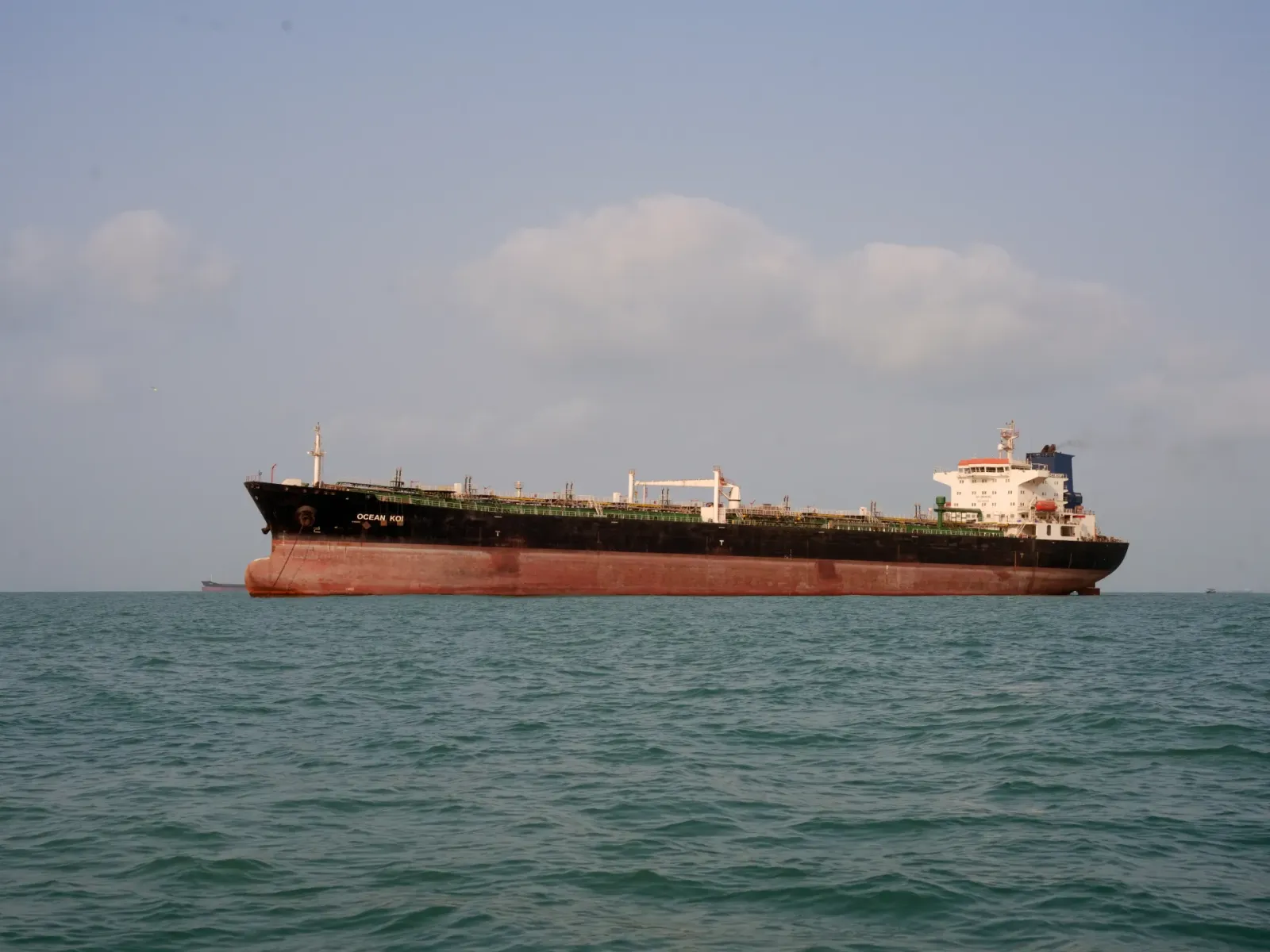
The UK Maritime Trade Operations reported two tankers were hit by unknown projectiles off the coast of Oman, an incident occurring while regional tensions are already spiking across the Levant and Red Sea. This physical threat to global shipping routes validates Iran's recent warning that the nation is facing a 'silent economic war' that is proving more difficult than missile exchanges.
The Strait of Hormuz, the world's most critical energy choke point, is facing a new layer of physical threat. Two tankers operating off the coast of Oman near Khasab were recently struck by unknown projectiles, according to the United Kingdom Maritime Trade Operations (UKMTO). The first incident occurred 11 nautical miles north of Khasab, while a second, more recent attack happened 17 nautical miles east of the same location. Crucially, UKMTO confirmed that no injuries were reported in either incident, but the environmental impact of these attacks remains entirely unclear, posing a significant risk to the fragile ecosystem of the Arabian Sea.
These incidents are not isolated maritime accidents; they are concrete evidence of the escalating regional instability that Iran's President Masoud Pezeshkian recently characterized as a 'silent economic war.' Speaking to investors and producers, Pezeshkian stated that Iran is being targeted by 'a group of bullies, oppressors, and coercers' who are attempting to bring the country down. While he asserted that Iranian businesses have managed market conditions well and that the nation is successfully preventing winter power cuts, the physical attacks on commercial shipping vessels highlight the real-world, kinetic nature of the economic pressure being applied.
For any executive tracking global supply chains or energy markets, the implications of these attacks are immediate and severe. The Strait of Hormuz handles a massive percentage of global oil and liquefied natural gas shipments. When projectiles begin striking commercial vessels, the risk profile for insurance underwriters skyrockets, and the operational costs for shipping companies increase dramatically. This isn't just about a single tanker; it's about the systemic threat to the global energy infrastructure. The UKMTO's warnings, which detail these attacks, serve as a stark reminder that the threat is active and unpredictable, forcing operators to navigate a landscape where geopolitical rhetoric translates directly into physical danger.
This maritime tension is merely one thread in a much larger, highly volatile tapestry of regional conflict. While the tankers faced unknown projectiles off Oman, the Levant is experiencing its own intense pressure points. In southern Lebanon, Israeli air strikes have been reported on municipalities like Qantara and Kfar Tebnit. Simultaneously, in the occupied West Bank, the situation remains deeply fractured, with reports of 24 settler pogroms occurring in the past 24 hours alone, alongside incidents of violence such as a man being shot and killed in Dura al-Qari’a and 11 Palestinians suffering from tear gas in at-Tira.
Furthermore, the conflict is extending into the Red Sea. Houthi-affiliated media has reported a coalition air attack on the port of Mocha in Yemen, while Israeli forces continue to conduct raids in Ramallah governorate. The instability is not confined to land or sea; it is a multi-domain crisis. The drone attacks in al-Mawasi, west of Khan Younis, which injured three people on an electric bicycle, demonstrate how the conflict is bleeding into civilian life and everyday commerce, further complicating the operational environment for any business with regional exposure.
Global policy makers are reacting to this escalating risk. US Senator Kirsten Gillibrand has publicly stated her intent to push legislation that would block new US military funding for Iran, while simultaneously ensuring resources remain available for the US to defend its own interests. This legislative push reflects a growing international concern over the destabilizing effects of the Iranian economic pressures and the associated military risks. The combination of Iranian economic warnings, the physical attacks on shipping, and the ongoing military actions across the region creates a perfect storm of systemic risk.
For the operator, the message is clear: the 'silent economic war' is being fought with kinetic force. The attacks on the tankers are not merely political statements; they are operational realities that dictate insurance premiums, route planning, and risk assessment. The strategic stakes for any company with a footprint in the Middle East, whether in energy, logistics, or technology, demand a heightened level of vigilance. The window for stability is closing, and the physical threats to global trade are becoming increasingly difficult to ignore.
This story's Key Insights and Take-aways are locked.
Create a free account to unlock Executive Actions for one credit.
Register to UnlockAlways free for Executives Club members. Join the Club
More in Politics
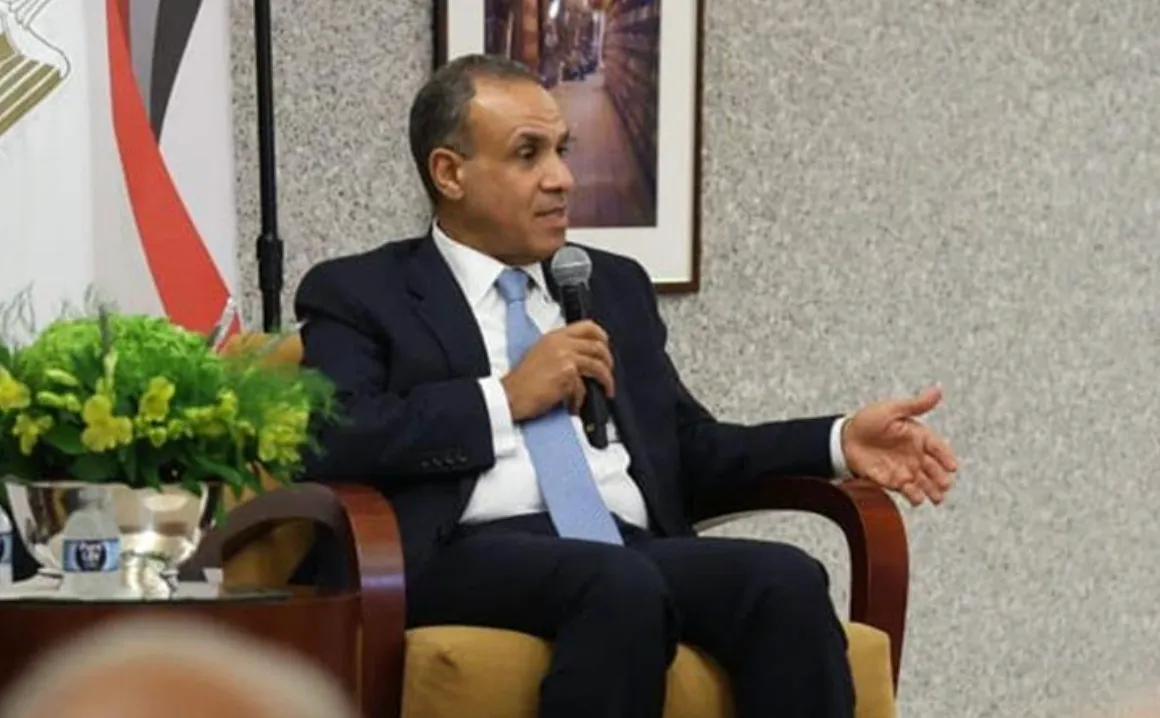
Egypt's foreign minister: Hamas must hand over weapons for Gaza phase two
Badr Abdelatty tells Asharq Al-Awsat that Cairo is pressing Palestinian factions to implement weapons understandings, and that phase two of Trump's Gaza plan hinges on every party, Israel included, meeting its commitments.

Emilija Morrison escaped Neet life. Her new job is just as precarious
A Glasgow graduate with an NCTJ diploma welcomes the government's youth jobs plans, but warns that a paycheque without security is not an exit from Neet life.
Ministers lift gagging clauses at UK data watchdog ahead of culture probe
Staff at the Information Commission can now describe their workplace without contractual silence, and ministers are due to publish the review's terms next week.