
Valve Quoted Buyers 2027. The Steam Machine Waitlist Just Cleared.
Valve's 512GB Steam Machine is now buyable with no reservation, but the memory shortage that built the waitlist still caps 2TB supply and could force a January price hike or a pause.
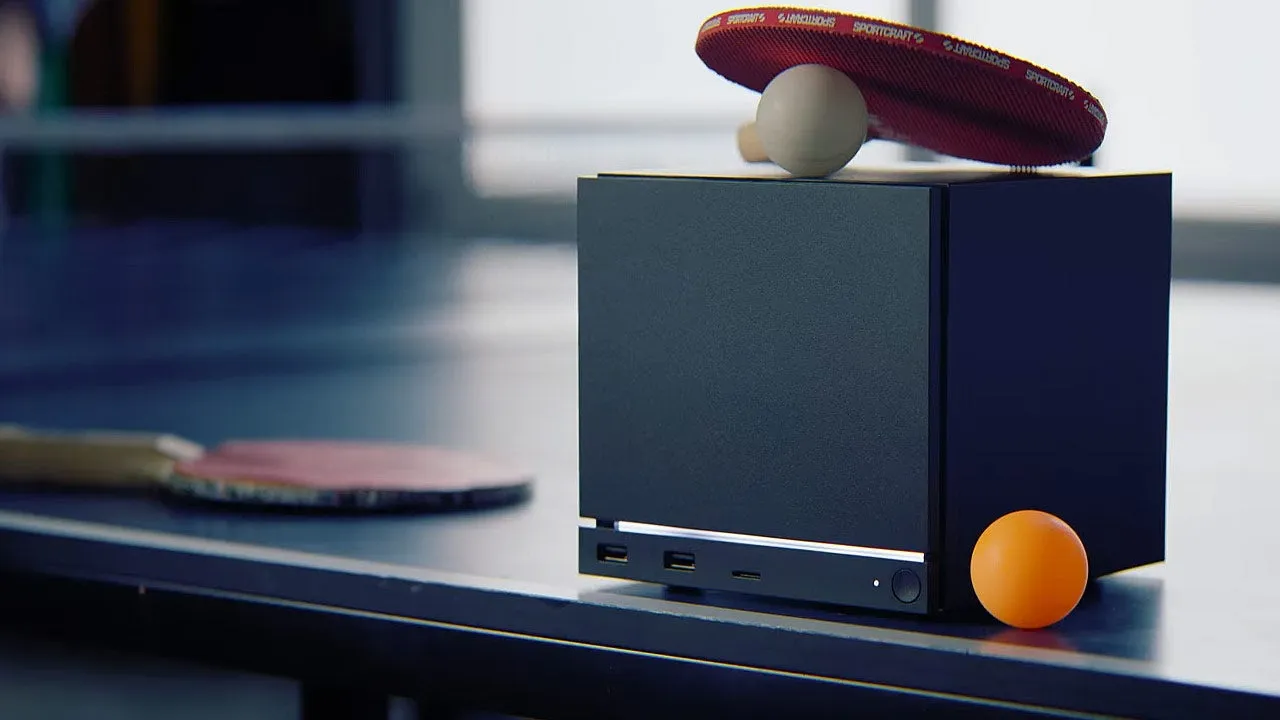
Valve has cleared its Steam Machine reservation lists, making the 512GB model buyable without a reservation while the 2TB version stays supply-capped by the ongoing memory shortage, per the company's November 19 blog post. For hardware operators, the episode is a live case study in how component markets, not competitors, can dictate price and availability.
Valve spent the summer telling some Steam Machine buyers to expect their order in 2027. It cleared the list before the calendar even turned. In a blog post dated November 19, Valve said it had finished sending purchase invites to everyone on the reservation list for the 2TB Steam Machine, and that the 512GB model is now sitting on the Steam store page with no reservation required at all. That is roughly five months after the mini PC launched in June into a supply crunch so severe that Valve could not get its hands on enough hardware to meet demand. The culprit was not hype alone. It was memory.
The two models tell two different stories. The 512GB Steam Machine cleared its waitlist far earlier than Valve expected, which is why you can now add one to your cart like any other product. The 2TB version is a harder problem. Valve says the ongoing memory shortage hits that model disproportionately because of its much larger drive, and that the number of people on the 2TB waitlist exceeds the number of units it was able to build. More are coming, but at a limited rate. In other words: the queue is gone, the constraint is not.
Valve's own language is unusually blunt for a product update. "Memory and storage costs continue to increase at unprecedented levels; as a result, we don't yet know the number we are able to make, and at what price we'll be able to offer them," the company wrote. Read that twice. Valve is not saying it will make fewer units. It is saying it cannot yet tell you how many it can make or what they will cost. For a company that has shipped hardware for years, that is a striking admission of how little visibility it has into its own bill of materials.
The backdrop is a memory market that has flipped from a buyer's market to a seller's market. Samsung told investors on an earnings call last month that it expects supply to be more constrained next year, and all three of the major RAM manufacturers have sold through their manufacturing capacity through next year. When every major supplier is already spoken for, a company building a niche mini PC is not at the front of the line. Historically, that is how component crunches work: the highest-volume, highest-margin buyers get served first, and everyone else waits, pays more, or redesigns.
Valve says it will keep building the Steam Machine, but the closing line of that blog post leaves two doors open, and neither is comfortable. One is a hearty price increase in January, when the company finally knows what its components cost. The other is a pause, with the Steam Machine going quiet until Valve can ship a follow-up once memory prices come back down. Nothing in the supply picture suggests relief is close. The RAM crisis has been unforgiving to this machine from day one, and the same forces that emptied the waitlist early are the ones that could empty the product line next.
That is a shame, because the Steam Machine is an excellent little computer. It arrived as a compact way to play a Steam library on a TV or a desk without a full tower, and the RAM crisis turned it into a non-starter for a lot of people purely on price. The hardware was not the problem. The supply chain was. That is a hard lesson for any team that builds a product around a fixed bill of materials and a launch date it cannot move.
For operators and boards, the Steam Machine is a small, clean case study in a much larger risk. Component markets can reprice a product out of existence faster than any competitor can. If your roadmap assumes stable input costs, you are underwriting a bet you do not control. The companies that handle this best typically do three things: they lock supply early, they keep pricing flexible, and they resist announcing volumes they cannot guarantee. Valve, to its credit, is doing the third one out loud, and it is telling customers the truth about what it does not know.
The practical takeaway is simple. If you want a 512GB Steam Machine at something close to its current price, the window is open now, and Valve has said it may sell through its entire supply. If you are building hardware, treat this as a preview: the memory squeeze is not a Valve problem, it is a market condition, and it will show up in your next quote from a supplier. The waitlist that said 2027 cleared in months. The cost curve that created it has not moved at all.
This story's Key Insights and Take-aways are locked.
Create a free account to unlock Executive Actions for one credit.
Register to UnlockAlways free for Executives Club members. Join the Club
More in Business

S&P 500 Enters Correction, Down 10% From Its High on AI Worries
The index's slide past the 10 percent line is a symbolic verdict on investor mood, and the AI trade that powered the rally is now the thing testing it.

Dow and S&P 500 enter correction as Nasdaq logs worst week since 2020
All 11 S&P 500 sectors fell more than 1% in the same week for the first time since April 2025, a breadth signal that matters more than any single index level.

Chip stocks lose $2.3 trillion in a week, worst run in 25 years
A $2.3 trillion weekly wipeout in semiconductors is forcing every board with an AI story to ask whether it owns a thesis or just a crowded trade.