
Weird Al Yankovic's GTA 6 NDA Expired, Revealing a Bigger Role Than Radio
Rockstar hired the parody legend to host Vice City FM, write the in-game commercials, voice Burger Shot, and contribute original music, a template for how game worlds become branded media.
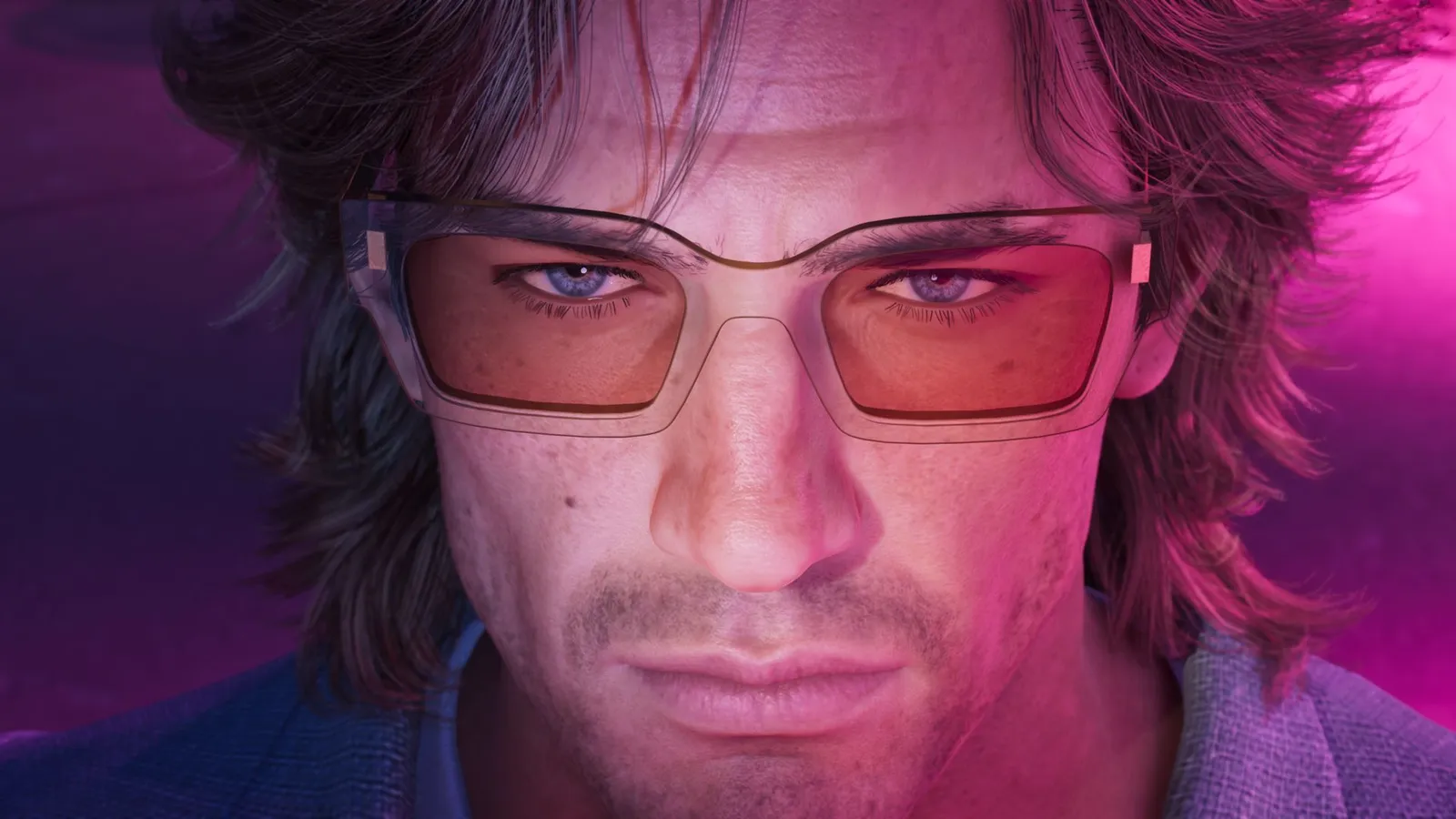
Parody legend 'Weird Al' Yankovic confirmed on Bluesky that he hosts Vice City FM, GTA 6's 'non-stop '80s' radio channel, wrote in-game commercials, voices the Burger Shot ads, and is credited as a contributor of original music. For media, entertainment and brand executives, the deal shows how one creative hire can cover hosting, copywriting, voice work and music, collapsing four vendor relationships into a single contract.
The confirmation arrived the way most game-industry secrets do: with an NDA expiring. 'Now that my NDA has expired... Hey, everybody, I'm in GTA 6,' 'Weird Al' Yankovic posted on Bluesky, alongside the line that made it official: 'I'm the host of GTA 6's "non-stop '80s" radio channel Vice City FM.' The parody legend, described in the source coverage as the undisputed GOAT of song parodies, did not stop at the microphone. 'I also wrote some in-game commercials, and I'm the voice of the Burger Shot ads as well!' Players had already suspected the host of Vice City FM was him once they got access to the game. The confirmation made it official, and bigger than expected.
That last detail is the one worth circling. Yankovic is not a licensed song on a playlist or a one-line cameo; the game's credits also list him as a contributor of original music, although none of his songs are featured on the in-game radio stations. It also marks his second-ever video game appearance, following an announcer role in The Grim Adventures of Billy and Mandy, which the source describes as a Power Stone clone for the PS2 and Wii. Going from a licensed cartoon fighting game to the biggest entertainment launch on the calendar is a strange arc, and it says something about how game studios now buy credibility. 'As a long-time fan of the Grand Theft Auto franchise, I couldn't be more excited about this,' he wrote. 'Okay, gotta get back to playing the game!'
Why a radio host still matters in 2020s gaming: Vice City FM is a curation product. Its playlist runs to '80s cuts including Prefab Sprout's Cars and Girls and The The's This Is the Day, and the host is the connective tissue that turns a licensed track list into a place. Any operator building a product with a soundtrack, a feed or a content library is making the same bet: curation is authorship. A human voice with a point of view is what makes a catalogue feel programmed rather than scraped. Rockstar could have licensed the same songs and skipped the DJ. It paid for the personality instead.
The company around him is a case study in casting as distribution. Weird Al is joined by pop icons Robyn, Gloria Estefan and PinkPantheress, Fleetwood Mac's Lindsey Buckingham, Yacht Rock king Michael McDonald, and Oscar, Tony, Emmy and Golden Globe winning actor Jeremy Irons as DJ Dicky. That lineup spans decades of pop credibility, and each name unlocks a different audience and a different press cycle. For a game whose radio dial doubles as world-building, the roster is also a marketing calendar: every confirmed name is a headline, and every headline is reach the trailer budget did not have to buy.
The commercial work is the sleeper. Yankovic wrote in-game commercials and voices Burger Shot, the franchise's fictional fast-food chain. Fictional brands inside a game world are a satire sandbox, which means whoever writes them controls the tone of the entire environment. For marketers, that is the interesting precedent. In-game advertising has historically been a growing budget line for brands chasing hard-to-reach young audiences, and the creative bar keeps rising: a fake ad that is funnier than the real ones is a problem for the real ones. Hiring the parody king to write your fake advertising is a flex that doubles as a defence.
Read the deal structure and a pattern shows up. One talent, four jobs: station host, ad copywriter, voice actor and original music contributor. That bundling is increasingly how top creative talent gets contracted in games, and it muddies the old clean line between licensing a song and hiring a performer. The NDA did double duty as a launch asset too. Players found the station, speculation did the marketing, and the confirmation landed after people had their hands on the game, when attention was already at maximum. That is an embargo engineered as a press strategy, and it worked.
The strategic stakes for anyone in media, entertainment or brand: the biggest IP in the world did not simply hire a famous voice to read lines. It hired a writer with a recognizable comic sensibility and let him author the jokes. At a moment when synthetic voices can imitate a DJ passably, Rockstar paid for a real one with a real point of view, then handed him the ads as well. The watch item is whether the original music credited to Yankovic ever surfaces on a station, and whether other studios copy the bundle. If they do, the winner is not the platform. It is the creator who can host, write and voice the same world.
This story's Key Insights and Take-aways are locked.
Create a free account to unlock Executive Actions for one credit.
Register to UnlockAlways free for Executives Club members. Join the Club
More in Entertainment

GTA 6 banks $3.8bn in one day, torching every launch record
One game just out-earned every video game launch and every single-day film box office haul in history, and the fallout lands on every media CEO's forecast.

GTA VI Racked Up $3.79 Billion in a Single Day, Topping Every Film Ever
A 13-year wait produced a $3.79 billion day, more than any movie has made in its entire run, and it resets the launch math for every studio, streamer, and brand chasing the same attention.

GTA 6 sells 32.5M pre-sales and $3.79B day one, torches 13-year record
Rockstar's sequel didn't just beat Grand Theft Auto V's 13-year-old benchmark; it reset what a launch can be, with 32.5 million pre-sale copies and $3.79 billion in a single day.