
YouTube Refuses U.K. Request to Pull Russell Brand Video After Rape Sentence
Google says the video does not violate its rules and that it is investigating the content, setting up a clash between a national government and a platform over a convicted star's claims of innocence.
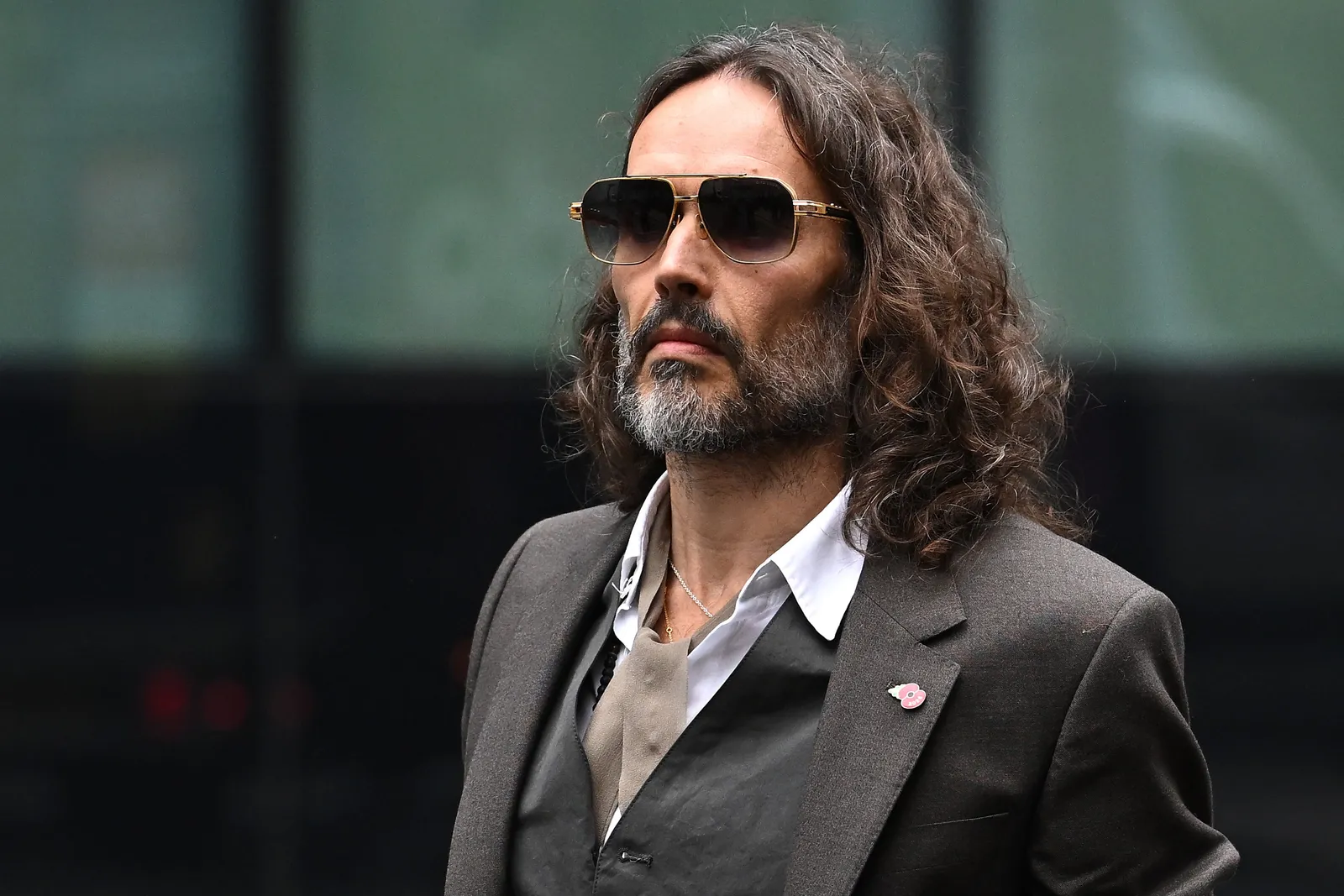
YouTube has refused a British government request to remove a video in which Russell Brand, sentenced to 10 years and six months in prison for rape and sexual assault, claims he is innocent, according to the BBC. Google, YouTube's parent, said the video did not violate its rules and that it is investigating the content, leaving executives to weigh government pressure against platform speech policies and brand-safety risk.
YouTube has turned down a request from the British government to remove a video in which Russell Brand claims he is innocent, according to the BBC. The video remains live even though Brand was sentenced to 10 years and six months in prison for rape and sexual assault. That is the headline fact, and it is a striking one: a major platform is saying no to a national government in a case tied to a high-profile criminal conviction. The decision does not mean YouTube has cleared the video of all concerns. It means the company is not taking it down in response to the government's request.
Google, which owns YouTube, said the video did not violate its rules, according to the BBC. YouTube also said it is investigating the content. That combination matters. The platform is defending the video's presence under its own policies while keeping the door open to a different outcome after review. For executives, this is a live test of how platform rules interact with government demands. The government asked for removal. YouTube said no, for now. The investigation continues.
The underlying case is severe. Brand was sentenced to 10 years and six months in prison for rape and sexual assault. The video at issue is his claim of innocence. That is the entire factual core from the source. But the implications stretch far beyond one video. Governments around the world have been pressing platforms to act faster on harmful content, especially when a criminal case is involved. Platforms, in turn, have built global rulebooks that they say they apply consistently, regardless of who is asking. When those two forces collide, the platform's decision becomes a precedent, whether it wants one or not.
YouTube's response follows a familiar pattern in content moderation. The company evaluates the video against its own community guidelines, not against the political preferences of a government. If the video does not break those rules, it stays up. If it does, it comes down. That is the theory. In practice, the line is rarely that clean. A video featuring a convicted person claiming innocence can be seen as newsworthy, as harmful, as misinformation, or as all three. YouTube's decision to leave it up while investigating suggests the company is trying to separate the government's request from its own enforcement process.
For context, the U.K. has been tightening its approach to online content, and platforms are under growing scrutiny from regulators and lawmakers. The details of this particular request are not fully public in the source. What is clear is that the British government wanted the video removed, and YouTube declined. That refusal does not end the story. It may invite further pressure, formal legal action, or political criticism. It also gives other platforms a reference point. If YouTube can say no to a government request in a case this sensitive, other companies may feel more room to do the same, or they may face louder demands to explain why they did not.
Advertisers and partners will watch closely. Brand safety is a core concern for any platform that relies on advertising. A controversial video can repel sponsors even if it does not violate community guidelines. YouTube has systems to let advertisers avoid certain content, but high-profile cases still create reputational risk. The company is balancing three things at once: its own rules, its users' expectations, and its commercial relationships. A government request adds a fourth: political risk. The longer the video stays up, the more likely it becomes a talking point for critics who say platforms are too slow to act, and for defenders who say platforms should not bow to state pressure.
The second-order effects are what executives should study. First, this case tests whether a government request carries any weight when a platform's rules point the other way. Second, it tests whether a platform can investigate a video without removing it, and whether that middle path satisfies anyone. Third, it tests how a criminal conviction changes the calculus for content that would otherwise be protected speech. None of these questions have easy answers. But the way YouTube handles this video will shape how governments, regulators, and rival platforms approach similar cases.
The core tension is simple: who decides what stays online? A private company with global guidelines, or a national government with its own laws and political priorities? YouTube has given its answer for now. It will keep the video up unless its investigation finds a rule violation. The British government has not gotten what it asked for. Brand's video remains accessible. The investigation continues. For leaders in tech, media, and policy, the lesson is that moderation decisions are no longer just content decisions. They are governance decisions, with legal, political, and commercial consequences that can outlast the case itself.
This story's Key Insights and Take-aways are locked.
Create a free account to unlock Executive Actions for one credit.
Register to UnlockAlways free for Executives Club members. Join the Club
More in Entertainment

GTA 6 banks $3.8bn in one day, torching every launch record
One game just out-earned every video game launch and every single-day film box office haul in history, and the fallout lands on every media CEO's forecast.

GTA VI Racked Up $3.79 Billion in a Single Day, Topping Every Film Ever
A 13-year wait produced a $3.79 billion day, more than any movie has made in its entire run, and it resets the launch math for every studio, streamer, and brand chasing the same attention.

GTA 6 sells 32.5M pre-sales and $3.79B day one, torches 13-year record
Rockstar's sequel didn't just beat Grand Theft Auto V's 13-year-old benchmark; it reset what a launch can be, with 32.5 million pre-sale copies and $3.79 billion in a single day.