
Zelnick Won't Sell GTA to Hollywood: 'We Prefer to Control Our Own Destiny'
As GTA 6 lands as the entertainment event of the decade, Take-Two's CEO is keeping the film and TV rights in-house, betting that owning the franchise outright beats any licensing check.
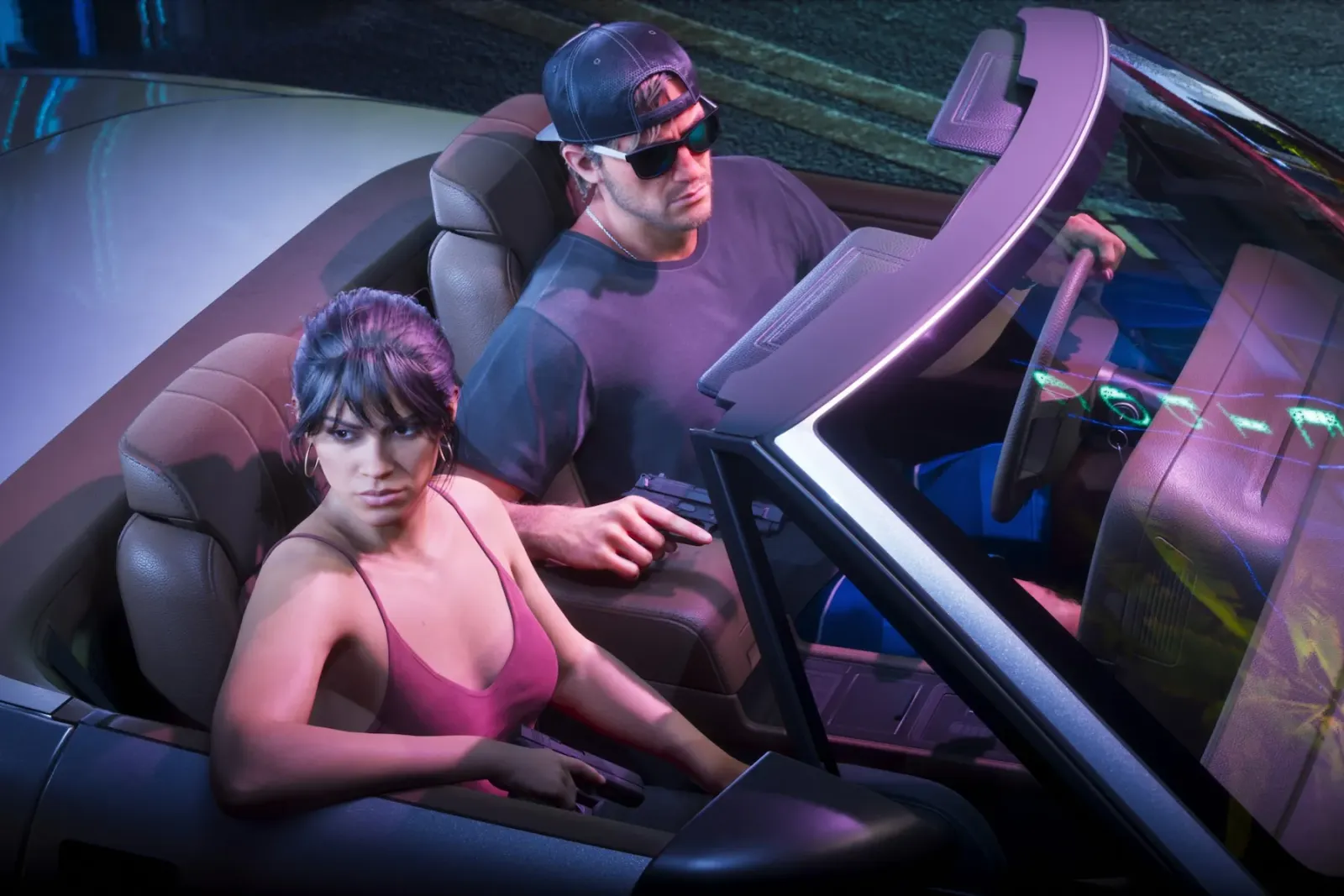
Take-Two Interactive CEO Strauss Zelnick has said for years that he prefers to control the company's own destiny, and with Grand Theft Auto 6 debuting this week as what is widely considered the entertainment event of the decade, that stance means producers chasing film or TV rights to the Rockstar Games-created franchise could be waiting indefinitely. For executives weighing whether to license marquee IP, the case is a live test of whether control is worth more than the check.
Strauss Zelnick has fielded the question for years, and for years the Take-Two Interactive CEO has given Hollywood the same answer. "We prefer to control our own destiny," he has said, and with Grand Theft Auto 6 debuting this week as what is widely considered the entertainment event of the decade, that line is doing more work than ever. Producers who have spent years circling the rights to the Rockstar Games-created franchise should settle in. Per Zelnick's long-standing position, they could be waiting indefinitely.
That is the whole answer to a question the industry keeps asking: why has one of the biggest franchises in entertainment never been turned into a film or a TV show? Not because the rights are tangled. Not because the material is unadaptable. Because the owner has decided, repeatedly and publicly, that the upside of keeping it in-house beats the check Hollywood would write. Zelnick's framing is the tell. This is not a negotiation that has stalled. It is a door that has been held shut on purpose, and the person holding it has said so out loud for years.
The demand side is easy to understand. Grand Theft Auto is a cultural object as much as a product, with a global audience that shows up on day one and a narrative universe that already plays like prestige television. For a studio or a streamer, the pitch writes itself: built-in fandom, decades of brand equity, a launch moment that generates its own headlines. And the adaptation trade has changed. For years, game-to-screen projects were a punchline; more recently, a run of hits has convinced buyers that the audience is real and the ceiling is high. That shift has made franchise rights scarcer and more expensive, which is exactly the environment in which a holdout gains leverage rather than losing it.
Which is why the refusal reads as strategy, not quirk. Licensing a property like GTA means handing a creative team the keys to a brand that took decades and enormous investment to build, splitting the upside, and accepting the risk that a bad adaptation damages the very thing you were trying to monetize. Owning it means capturing every dollar of downstream value yourself, on your own timeline, against your own quality bar. Take-Two sits on a balance sheet that lets it wait. Zelnick's position amounts to a claim that the option value of control exceeds the present value of a licensing fee, and he has been making that claim consistently enough that buyers should treat it as policy.
The cost is real, though, and worth naming. Every year without an adaptation is a year of foregone licensing revenue, merchandising, and the kind of mainstream cultural reach that a film or a series delivers to people who will never buy a console. There is also a competitive risk: if appetite for game-based storytelling keeps growing, buyers will spend that money somewhere else, and the window for a GTA adaptation at maximum cultural heat is not infinite. "Indefinitely" is not the same word as "never," and Zelnick has left himself room to move if the terms ever change.
For other owners of valuable IP, the signal is sharper than the specifics. The old playbook was to license early, take the check, and let a partner handle the screen. The newer playbook, the one Take-Two is modeling, treats adaptation as a capital allocation decision rather than a marketing one: does the deal grow the asset, or does it rent it out? Boards weighing a similar call should ask which side of that line their franchise sits on, and whether a buyer's urgency is worth more than their own patience.
The second-order effects run through the whole chain. Streamers and studios that built slates around adapted IP now face a seller's market where the most valuable properties may simply not be listed. Talent agencies that specialize in game rights lose their most obvious pitch. Meanwhile Take-Two keeps a rare thing in entertainment: a franchise whose screen debut, if it ever happens, will happen on its terms, with the creative control and the economics staying on the same side of the table.
That is the bet. Not that GTA should never be a movie, but that whoever makes it will be answering to Zelnick rather than the other way around. For a CEO in any IP-driven business, the question this week is not whether Hollywood called. It is whether you would have the discipline to let it ring.
This story's Key Insights and Take-aways are locked.
Create a free account to unlock Executive Actions for one credit.
Register to UnlockAlways free for Executives Club members. Join the Club
More in Entertainment

GTA 6 banks $3.8bn in one day, torching every launch record
One game just out-earned every video game launch and every single-day film box office haul in history, and the fallout lands on every media CEO's forecast.

GTA VI Racked Up $3.79 Billion in a Single Day, Topping Every Film Ever
A 13-year wait produced a $3.79 billion day, more than any movie has made in its entire run, and it resets the launch math for every studio, streamer, and brand chasing the same attention.

GTA 6 sells 32.5M pre-sales and $3.79B day one, torches 13-year record
Rockstar's sequel didn't just beat Grand Theft Auto V's 13-year-old benchmark; it reset what a launch can be, with 32.5 million pre-sale copies and $3.79 billion in a single day.