SpaceX buys Cursor for all-stock $60B, signaling Elon Musk’s next AI move
SpaceX exercised its option for Cursor in an all-stock deal worth $60 billion, reshaping AI dealmaking expectations.
By Hessa Al-Faleh·· 3 min

Loading the Newsroom
Curating from trusted global sources…
Curated from trusted global sources, refined into briefing-grade analysis with executive summaries, insights, and bullet-point takeaways.
SpaceX exercised its option for Cursor in an all-stock deal worth $60 billion, reshaping AI dealmaking expectations.
The valuation jump of $1T in a single day changes the reference point for risk capital and public-market comps.
Market cap, Musk wealth, and retail mechanics collide with acquisition-driven AI spend and looming investor scrutiny.
Lovable, Replit, and others are raising billions as Big Tech both bets on and panics about AI-built software.
The kill switch reality is colliding with Europe’s cloud, compute, and regulatory bottlenecks.
The Aussie mining billionaire just put Hancock Prospecting behind Musk's rocket-and-satellite combo, and markets noticed.
What looks like a simple streaming bet is actually a $22 billion corporate reshuffle with board and regulatory gravity.
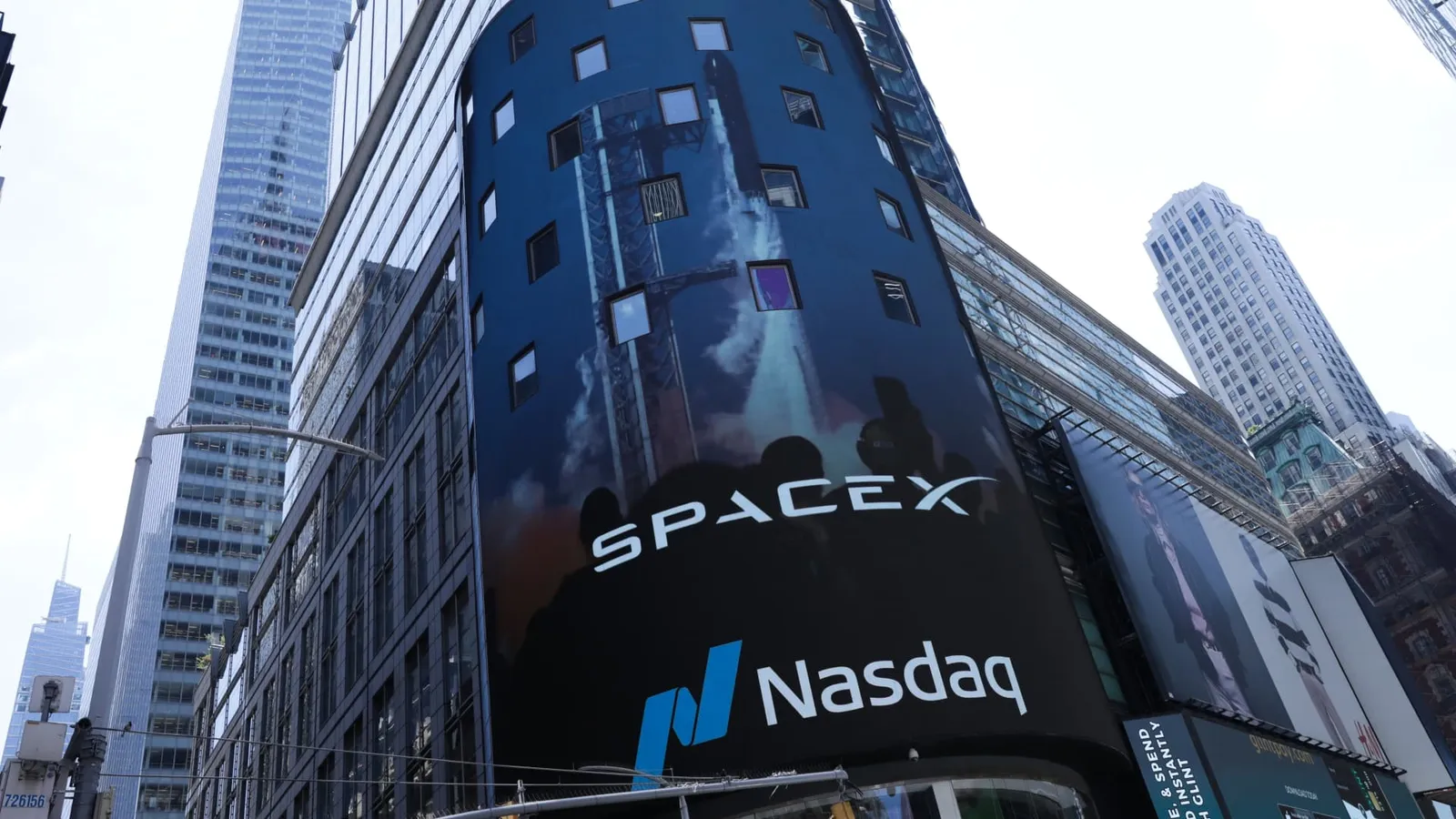
The stock’s first-day surge pushes SpaceX past $2 trillion, reshaping how investors and regulators think about private space risk.
A two-day post-IPO comment on X frames a trillion-dollar pace by 2030, with implications for investors and regulators.
New York turns 37 first-half points into an identity-defining defensive second half, winning their first title in 53 years.
Billions Club era hits a new peak: Spotify and Amazon cite top single-day and 24-hour global debuts after June 12.
The IPO flips expectations: a rocket company lands among megacaps even while revenue is far smaller.