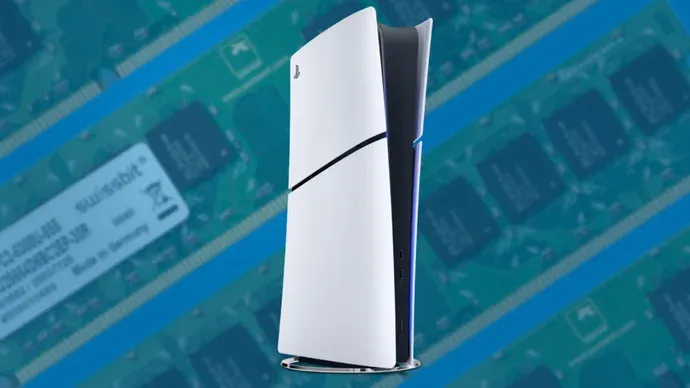
Xbox and PlayStation sales hit new lows, analyst warns of 1980s-style collapse
AI memory demand is driving console prices to record highs, and an analyst sees echoes of the 1980s crash.
By Lama Al-Rashid·· 3 min

Loading briefings
Pulling the latest in this topic…
AI, robotics, computing, technical advancement
138 briefings briefings in Technology
AI memory demand is driving console prices to record highs, and an analyst sees echoes of the 1980s crash.
Gigabyte's BIOS updates signal a rare socket extension to counter DDR5 price spikes.
At its Windows and Surface event, Microsoft pivoted from a Windows 12 refresh to embedding AI agents and hybrid local-cloud intelligence into Windows 11.
Nikon is re-evaluating its Small World in Motion contest after an AI-created entry took the prize, raising the stakes for authenticity in visual competitions.
Startups that banked on free Claude Team and API credits now face a sudden reversal, a warning about the fragility of AI vendor perks.
Big Red's new runtime moves AI from copilot to executor inside Fusion apps, yet early pilots and Oracle-only ties give CFOs reason to pause.
Why relying on AI's ability to say no is a global risk, and what it means for the trillion-dollar AI bet.
The AI giant's sales growth fell short of investor expectations, sending a warning shot through a sector priced for perfection.
The immediate ban covers the US, Japan, and five other markets, and also blocks third-party ads that route users to ByteDance apps.
A voluntary AI safety pact leaves companies to decide when risk is real; the ex-official who faced H5N1 says predefined triggers are the missing plan.
Apple's Mac desktops are the most sought-after computers of the year as agentic AI takes off. WIRED's guide breaks down the Mac Mini, Mac Studio, and iMac by use case.
Researchers found leading AI models can produce realistic election-fraud images and documents, exposing a widening gap between AI capabilities and election safeguards.