
Blair Witch star Heather Donahue declined the reboot deal over rights and autonomy
She says the agreement raised “difficult long-term questions” on identity, tech use, speech, and compensation.
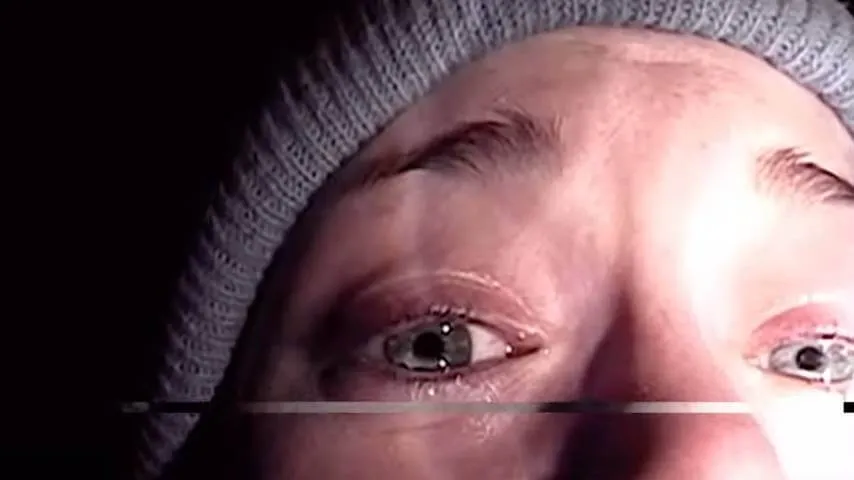
Heather Donahue, the lone returning voice of the 1999 Blair Witch Project, said she turned down an offered agreement for the reboot. Her refusal spotlights unresolved incentives around rights, compensation, and control that will shape how future franchise deals get signed.
Heather Donahue is staying out of the rebooted woods, and she explained why in plain terms: she was offered an agreement, but it raised “difficult long-term questions” she did not want to sign away.
Responding on Facebook to coverage of the new film, Donahue wrote that the deal for her “personally” brought up concerns about rights, “future technological use of identity and voice,” the ability to “speak freely,” and compensation. “Ultimately, it just wasn’t something I felt comfortable signing,” she wrote. “I genuinely wish everyone involved well. But preserving my autonomy mattered more to me.”
This matters because the reboot was not marketed like a cash grab with a shrug. Producers Jason Blum and James Wan appeared on the IndieWire podcast Screen Talk to hype the film coming next year. Wan specifically described the importance of receiving the blessings of “all the original people that were involved in the original Blair Witch.” The intent was clear: honor the original creators and avoid the typical industry pattern where the people closest to the breakthrough get paid last, or not at all.
And yet the tension has been simmering for years. In the run-up to the reboot’s announcement, Donahue, along with Joshua Leonard and Michael C. Williams, had publicly petitioned Lionsgate for retroactive residuals and “meaningful consultation on any future Blair Witch reboot, sequel, prequel, toy, game, ride, escape room, etc,” which bears their name or likeness. The A.V. Club frames that as a situation not unlike Obsession’s art director fighting for compensation after a hit film. The core complaint is the same, and the industry recognizes it: a movie can become “one of the most successful horror films ever,” while the original cast can struggle to get the money and leverage that success should unlock.
So why did Wan assemble executive producers anyway? Because the industry is familiar with the optics problem and the leverage problem, even if the legal problem can still be hard. According to the source, Wan successfully enlisted Leonard and Williams, writer-directors Daniel Myrick and Eduardo Sánchez, and producer Gregg Hale as executive producers on the film. That is a high-visibility attempt to bring the original creative force into the modern project.
But Donahue’s absence shows what happens when executive producer credit and deal consent are not the same thing. Donahue did not say she rejected the reboot on creative grounds. She rejected the contract. Her reasons were specific and structural: rights, identity and voice use as technology changes, speech freedom, and compensation. For boards and executives, this is the real takeaway. The deal is not just about whether your star shows up. It is about what future control you can keep if your franchise explodes again and technology makes your IP more flexible than your original contract assumed.
The film itself is expected in theaters next year and “will deal with a family that goes on a camping trip but goes missing one by one after they hear strange noises in the forest.” The source does not suggest a plot rewrite due to Donahue’s decision. It suggests something more practical: the reboot can proceed, but without her. At least, as the article puts it, “they won’t have a digital Heather Donahue to worry about.” Whether or not that phrasing is hyperbolic, the underlying business point is not: consent around voice and identity is no longer a footnote when audiences and creators demand more say.
And if you zoom out beyond horror franchises, this same theme is playing out across Hollywood right now: control of assets, control of distribution, and control of outcomes. The A.V. Club’s broader briefing runs straight into that with the Department of Justice antitrust investigators approving Paramount’s $111 billion acquisition of Warner Bros. Politico reports the DOJ granted full approval, said the merger does not “pose a threat to competition,” and will go through “without requiring any divestitures, behavioral remedies, or concessions.” That is one major hurdle cleared.
But approval by one regulator does not end the story. The source notes that a number of state attorneys general are interested in taking legal action to block the sale, with California’s Rob Bonta cited as likely front-row. Bonta’s office said in a statement that the acquisition “remains an active investigation,” despite Paramount’s legal officers arguing the combined HBO Max/Paramount+ platform will be a more potent rival to Netflix, potentially increasing competition.
When you connect those dots back to franchise casting, it is a reminder that who gets control over IP, talent rights, and distribution pipelines is becoming more concentrated, not less. Deals around identity and voice are the kind of clauses that get stress-tested when platforms merge, when streaming budgets reshape production decisions, and when marketing uses more AI and cross-media product formats than older contracts contemplated.
The strategic stakes are bigger than one creator’s Facebook post. If you are an executive signing franchise agreements, Donahue’s stated refusal spells out the modern problem to solve: rights that keep up with technological change, compensation that matches success, and contract language that preserves the talent’s ability to speak freely. Because the moment you do not, you do not just lose a cameo. You risk losing trust, leverage, and the very thing franchise reboots need most: the feeling that the original people were treated as partners, not placeholders.
This story's Key Insights and Take-aways are locked.
Create a free account to unlock Executive Actions for one credit.
Register to UnlockAlways free for Executives Club members. Join the Club
More in Business

SpaceX debuts Friday on Nasdaq at $135, surges to $160.95, valued near $1.8T
A Nasdaq opening pop turns SpaceX into a public company overnight, forcing new money questions fast.
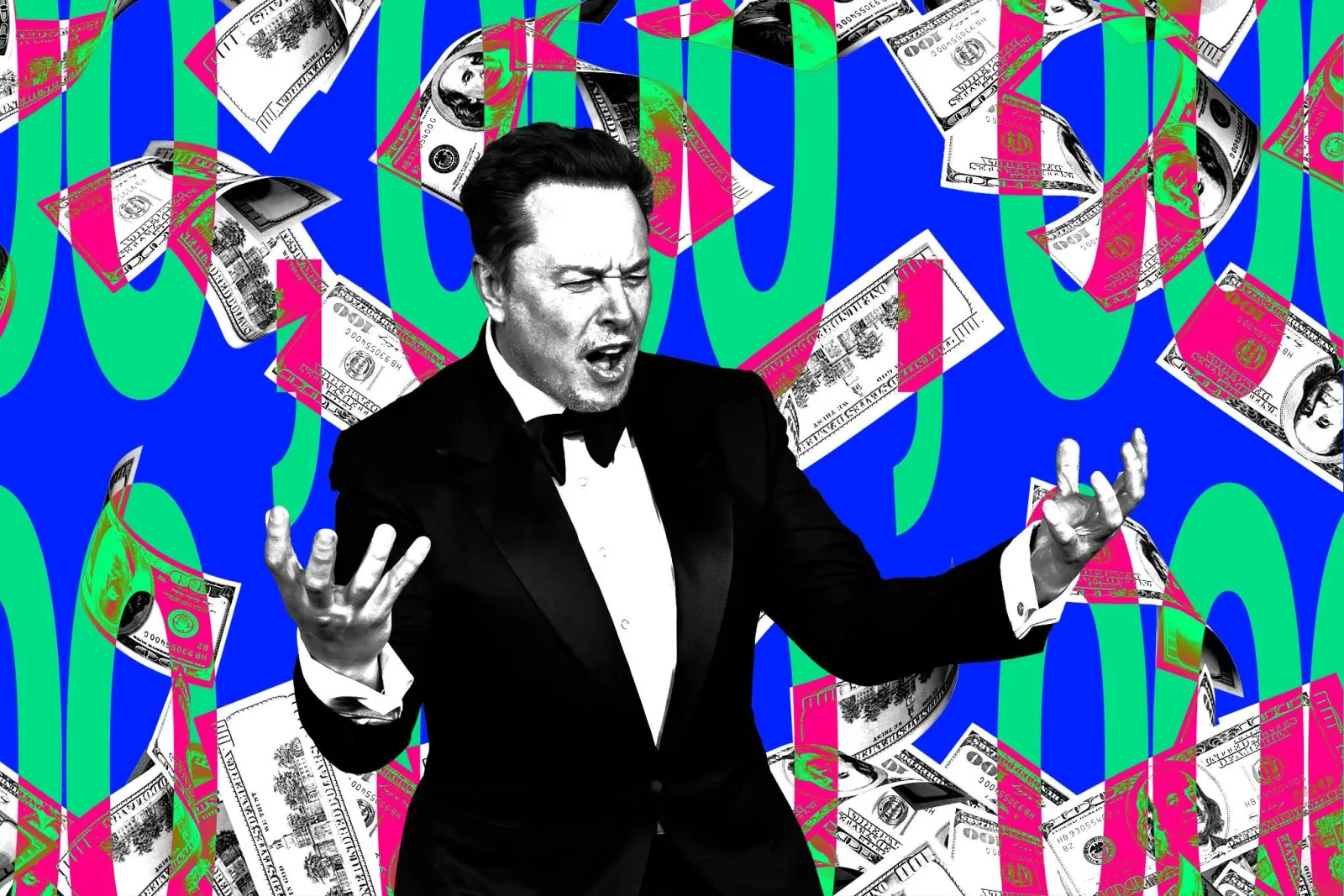
Elon Musk became the world’s first trillionaire after SpaceX IPO lifted him past $1T
SpaceX shares jumped, and Musk’s $800B pre-IPO value crossed a trillion, reshaping how investors price “moonshots.”
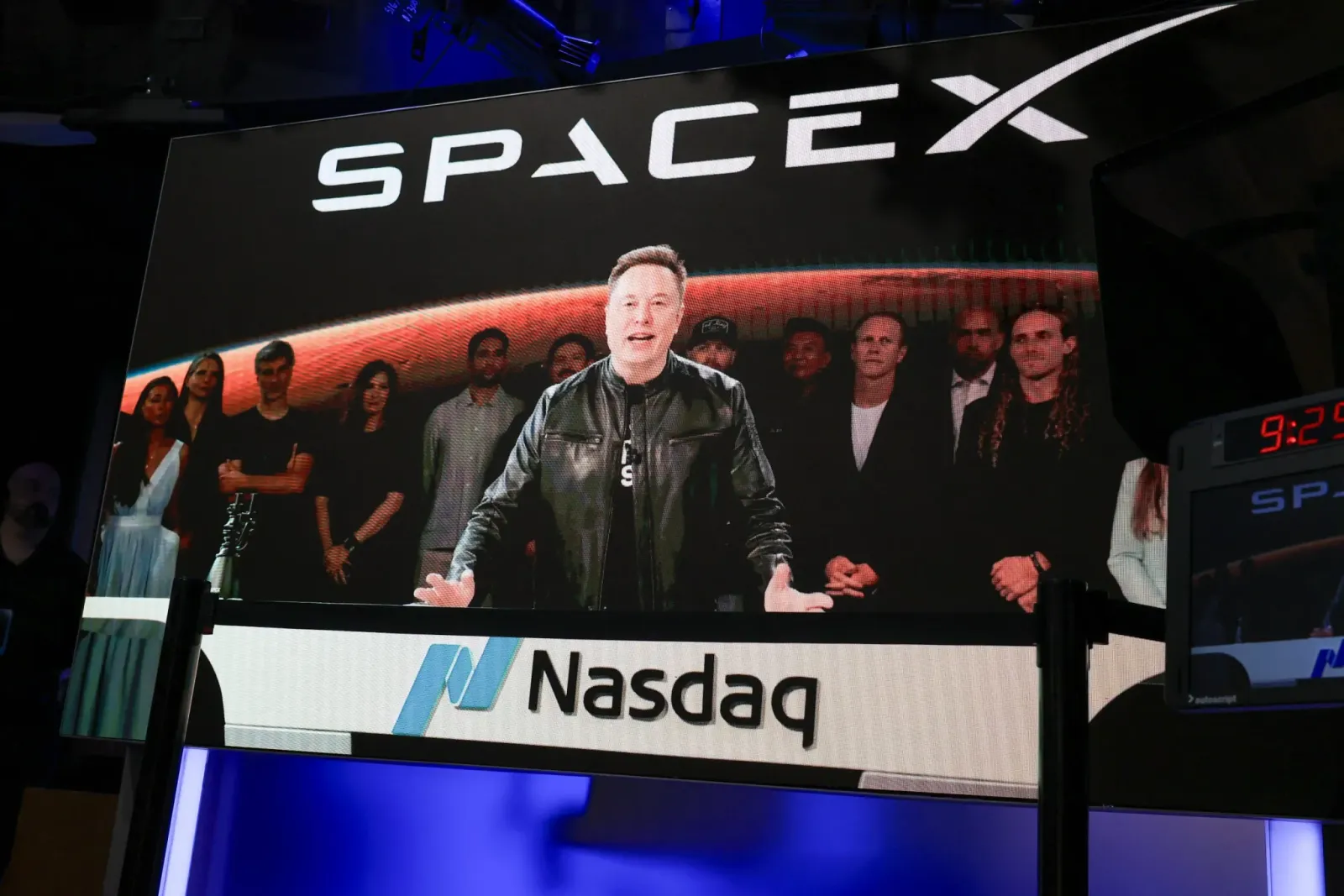
SpaceX stock closes at $161.11 after $2.1T debut valuation shatters expectations
The IPO priced at $135, surged on Nasdaq and Texas, and immediately rewired how executives think about mega-debuts.