
Dave Grohl’s broken-leg story returns to Sweden 11 years later: “We finished that show.”
On June 12, 2015 Grohl fractured his leg during “Monkey Wrench.” Tonight he calls it the band’s best ever.
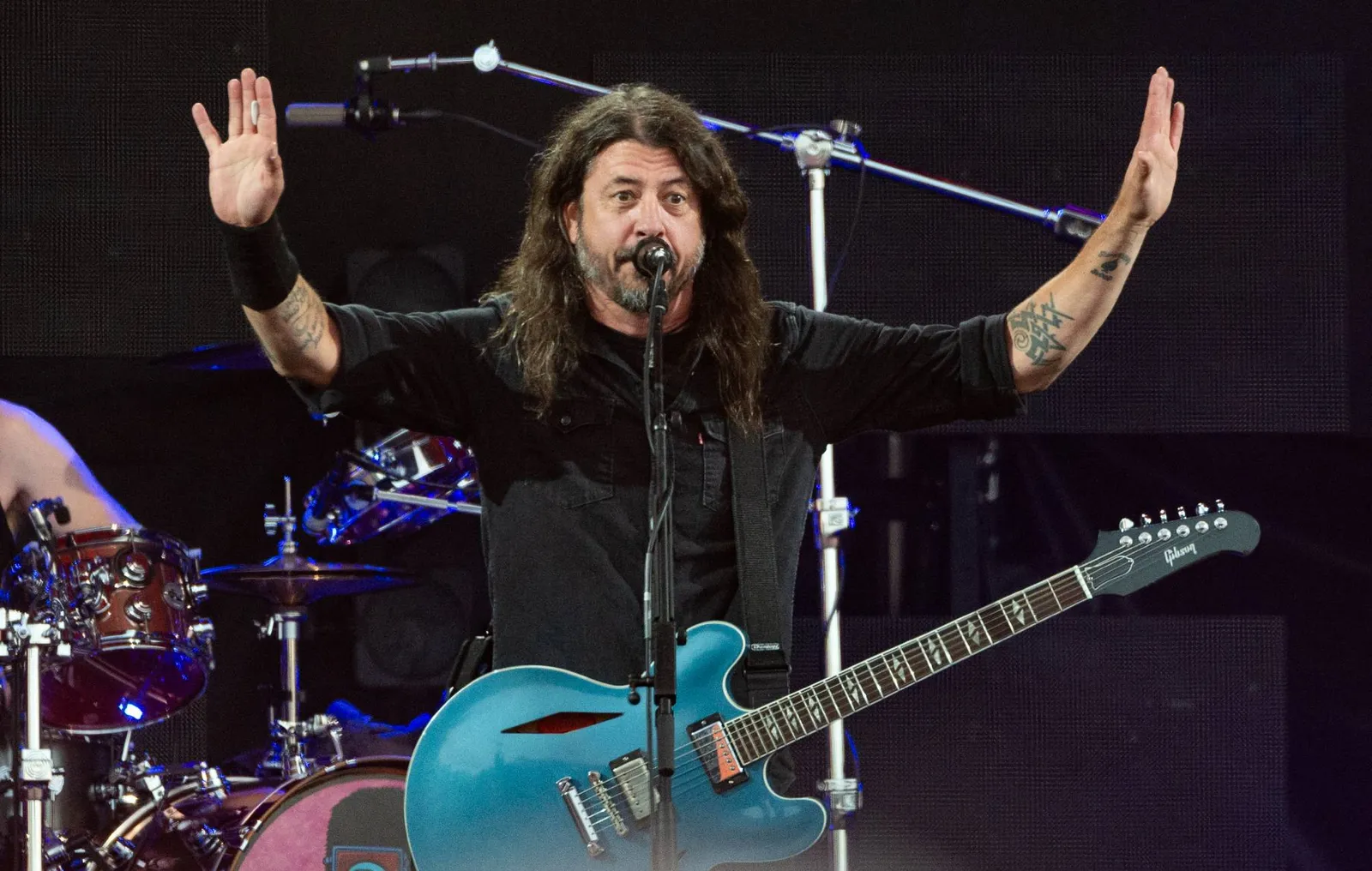
Dave Grohl recalled breaking his leg on stage on June 12, 2015 at Gothenburg’s Ullevi Stadium as Foo Fighters played Sweden again on June 12, 2026, returning for the “Take Cover” tour. The moment matters for industry leaders because it shows how live performance disruptions can become brand-defining narrative, not just downtime.
Dave Grohl made an emergency out of a tragedy and, 11 years later, turned it back into a victory lap. On June 12, 2015, during the second song, “Monkey Wrench,” at Gothenburg’s Ullevi Stadium, the Foo Fighters frontman fell from the stage and broke his leg. Tonight, June 12, exactly 11 years to the day later, Foo Fighters returned to Sweden for a show at the Strawberry Arena in Solna as part of their “Take Cover” tour, and Grohl addressed the moment again while introducing “Walk.”
“I fell off the stage and I bust my fucking leg,” Grohl said, tying the past to the present with the kind of timing that feels pre-scripted for fans but is pure reality for tour crews. “That was 11 years ago today. Same day!” he added. He then escalated the stakes from personal injury to band mythology, saying he believed it was “my favourite Foo Fighters show we’ve ever had in our fucking lives,” because “we kept playing, we finished that fucking show for you.” For decision-makers watching this, the headline fact is not just that he was hurt. It is that the band operationally recovered in real time, kept the show moving, and then memorialized the “mission complete” outcome when they returned to the same country.
To understand why this story lands so hard, it helps to see what happened next. The accident did not stay in the moment. It forced Foo Fighters to cancel their Glastonbury headline set later that year, along with a pair of shows at London’s Wembley Stadium. That cancellation chain is a reminder that live incidents are not isolated events. They ripple into ticketing schedules, production calendars, sponsor expectations, and the trust customers place in a tour’s ability to deliver. When Grohl speaks about finishing “for you,” that is not just emotional. It is a business decision made under pressure, which the band then had to pay for and repair in the weeks that followed.
After Grohl’s fall, the band stopped playing only for a few minutes. Remarkably, he rejoined them for the rest of the show after briefly leaving the stage to get a cast put on his leg. Those minutes matter. In live production, the difference between a short hold and a full teardown is the difference between preserving momentum and losing the thread of the entire night. Then, a few weeks later on July 4, in Washington DC, Grohl returned with his leg propped up, sitting in a throne. The visual is now part of the Foo Fighters canon, but it also signals something operational: the team adapted the performance format rather than accepting the injury as a hard stop.
The next domino was the band’s broader ecosystem. At Glastonbury 2015, Florence + The Machine ended up stepping into the headline slot after Foo Fighters had to cancel. Foo Fighters finally topped the bill in 2017. When Grohl later thanked Florence and his surgeon James during that 2017 show, he described how his own recovery delayed his gratitude: “I’m about two years late tonight, I’m sorry. Traffic was a bitch.” He added that he watched Florence’s show on his laptop while sitting in a wheelchair with a broken leg, and he said he was “very happy” that Florence got to headline, because he believed she should have been headlining anyway. For executives, that is stakeholder management told through backstage reality: when one major act is sidelined, peers may absorb the risk, but the relationship can turn into a durable, public benefit.
Right now, the band’s calendar shows the long arc of resilience converting into continued demand. Foo Fighters’ current tour includes two nights in Liverpool on June 25 and 27, plus festival appearances at Mad Cool and NOS Alive festival. Support across various dates will include Royel Otis, Inhaler, IDLES, Otoboke Beaver, Fat Dog, and Die Spitz, with tickets available via the link provided in the original report. The strategic point for leaders is that a band does not need a perfectly smooth timeline to sustain momentum. It needs a credible plan for continuity, a clear narrative for fans, and the operational ability to execute again quickly after disruptions.
This matters even more because Foo Fighters are not just touring on vibes. They also released a new album, “Your Favorite Toy,” in April. NME gave it 3 and a half stars, writing that the record is “a few more tracks of that depth away from being the most vital Foo Fighters record since 1997’s ‘The Colour and the Shape’,” and that “for now, at least, they have remembered that no-frills punk, played fast and loud, suits them much better than middle-of-the-road dad-rock.” That framing is useful for decision-makers because it connects the stage story to the product cycle. Live brand credibility and new release reception can reinforce each other, and when a tour delivers a high-drama, high-commitment moment like Grohl’s “we kept playing,” it strengthens the emotional value fans attach to the current era.
There’s also a broader second-order implication for anyone running boards, labels, agencies, or venues: incidents on stage are not only safety and medical events. They are reputational events. Safety standards and incident response protocols exist for a reason, but the way leadership communicates after a disruption can determine whether the story becomes “a mess” or “a defining example of grit.” Grohl’s recounting tonight, specifically in the same country on the same day, is the clearest payoff of that model.
This story's Key Insights and Take-aways are locked.
Create a free account to unlock Executive Actions for one credit.
Register to UnlockAlways free for Executives Club members. Join the Club
More in Entertainment

Entertainer Russell Brand denies 7 sex charges amid accuser's 'couldn't breathe' claim
The alleged victim's account sharpens the reputational and legal stakes for Brand, his platforms, and any business tied to a public figure under criminal scrutiny.

Russell Brand's accuser 'bewildered and confused' as he denies 7 sex charges
The criminal case against the comedian is a live test of how media companies manage talent risk when serious allegations go public.

'It's a Magic Trick': Ballet Experts Say Rosalía's SNL Pose Is Impossible
Three ballet experts tell Rolling Stone Rosalía's gravity-defying SNL stillness shouldn't be possible - and why the debate is now part of the show.