
Horror's $2.49B year: Blumhouse Atomic banked half of it
Global horror grosses are up 8% to $2.49B, and one shop sits behind half of it while Focus and A24 each post their biggest movie ever.
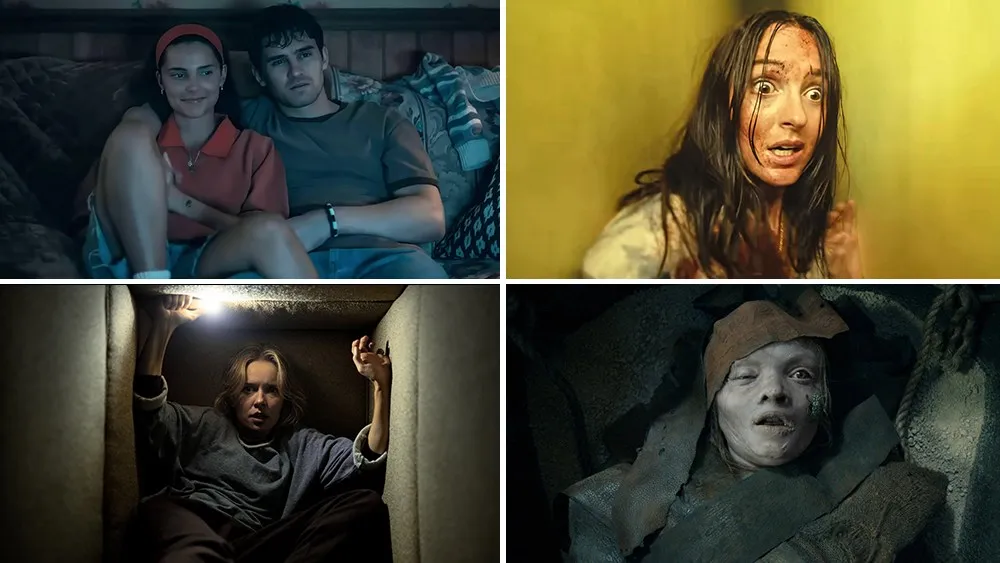
Blumhouse Atomic accounted for literally half of the $2.49 billion global horror box office year to date, an 8% climb from last year's $2.3 billion, on titles including Focus Features' highest grossing movie ever Obsession at $524.4 million and A24's highest grossing movie ever Backrooms at $400 million. For studio chiefs and content investors, the story is not the genre's health but its concentration: one operation now controls half a multi-billion-dollar market and the pipeline leverage that comes with it.
Horror just banked $2.49 billion at the global box office year to date, up 8% from $2.3 billion at the same point last year. The number that should stop a studio chief cold is the next one: Blumhouse Atomic accounted for literally half of that total. Not a label riding the genre wave. Half the wave.
The receipts behind that share are not obscure. Focus Features' highest grossing movie ever, Obsession, has pulled $524.4 million worldwide. A24's highest grossing movie ever, Backrooms, has pulled $400 million worldwide. Sony's Insidious: Out of the Further is in the mix as well. And the tally is explicitly open-ended: those are the titles named, not the full slate, which means the half-share figure is a floor, not a ceiling.
Start with the math that makes horror different. A genre film is typically built on a budget that is a fraction of a tentpole's, which means a $400 million worldwide gross does not just look good on a chart, it converts into a return profile that a $200 million-budget action film often cannot match at twice the gross. That asymmetry is why horror has historically been the most reliable risk-adjusted bet in theatrical. It is also why a single entity controlling half of a $2.49 billion genre market is a structural fact, not a trivia item. When the cost of entry is low and the ceiling on a hit is global, the operator who consistently picks winners compounds an advantage that money alone cannot buy.
For Blumhouse Atomic, half of global horror grosses is leverage. When one shop is behind that much of a genre's annual revenue, it sits in a different seat at every table that matters: output deals, first-look arrangements, co-financing terms, and the talent conversations that decide which scripts get made at all. Competitors do not just lose market share to a company like that. They lose access to the filmmakers who want to work with the shop that keeps setting records. That is the quiet part of a market-share number. Share is a scoreboard; access is the asset.
Then look at what the records mean for the labels that hold them. Focus Features now has a new highest grossing movie ever in Obsession at $524.4 million. A24 has a new highest grossing movie ever in Backrooms at $400 million. Those are internal benchmarks, and internal benchmarks reset everything downstream: the slate a specialty label greenlights next, the terms it can offer directors, and the valuation story it tells to any partner or buyer. A record-breaking genre title is not a one-off win. It is a permanent change to the baseline against which every future project gets judged, and it moves a specialty label further into mainstream commercial territory whether it planned to go there or not.
What the $2.49 billion headline does not tell you is where the 8% growth came from. The source does not break the total down by territory, by distributor, or by the split between franchise sequels and original IP. That gap is the thing to watch. If the growth is concentrated in a handful of franchise titles, the genre's expansion is narrower than the number suggests. If it is spread across originals like Backrooms, the market is genuinely widening, and the buyers of tomorrow's slates should be pricing that in now rather than after the next record falls.
There is a second-order effect worth naming for anyone allocating capital into content. Horror is the rare category where a modest budget can produce a global number, which makes it one of the few theatrical formats that still rewards a disciplined cost structure. That is precisely the profile that attracts both traditional studios and newer entrants who need theatrical credibility without tentpole exposure. When one company captures half the genre's grosses, the pressure on everyone else is not to spend more. It is to spend smarter, and to find the next original concept before it becomes a franchise someone else owns.
For peers in the same seat, the strategic read is blunt. Genre concentration is now a competitive variable, not a footnote. A studio that treats horror as scheduling filler is competing against an operation that treats it as a core business and is winning half the market for it. The question for the next twelve months is not whether horror works. It is who owns the pipeline, who holds the records, and who is left negotiating for the leftovers.
This story's Key Insights and Take-aways are locked.
Create a free account to unlock Executive Actions for one credit.
Register to UnlockAlways free for Executives Club members. Join the Club
More in Entertainment
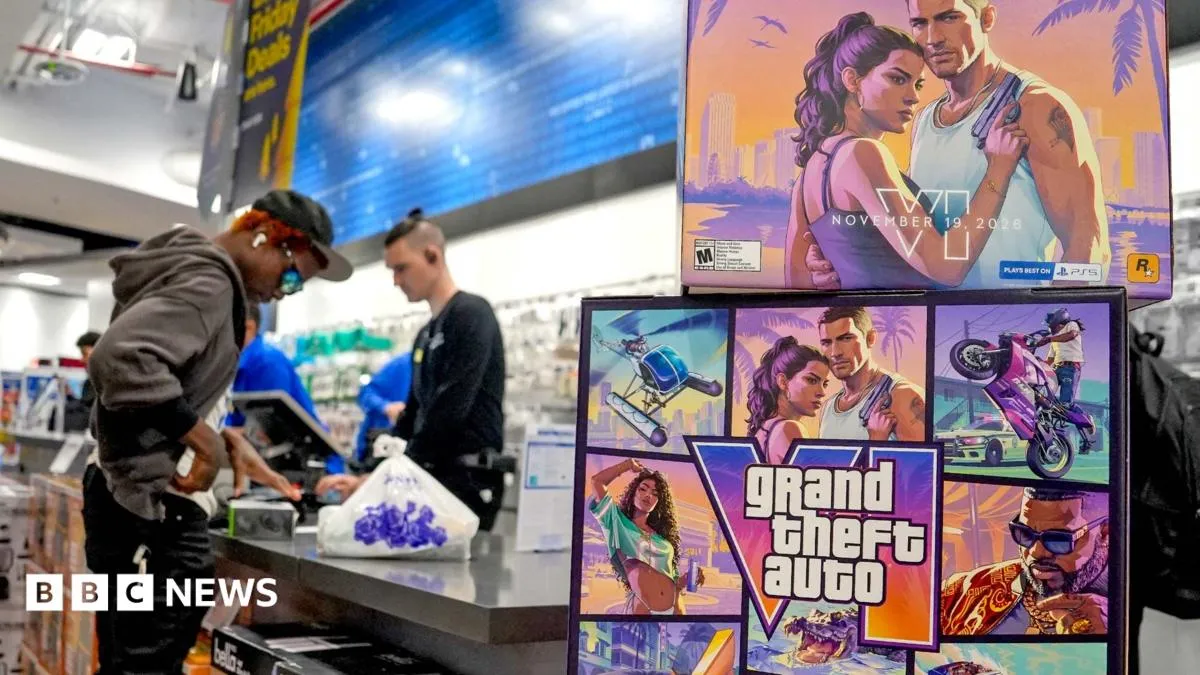
GTA 6 banks $3.8bn in one day, torching every launch record
One game just out-earned every video game launch and every single-day film box office haul in history, and the fallout lands on every media CEO's forecast.

GTA VI Racked Up $3.79 Billion in a Single Day, Topping Every Film Ever
A 13-year wait produced a $3.79 billion day, more than any movie has made in its entire run, and it resets the launch math for every studio, streamer, and brand chasing the same attention.
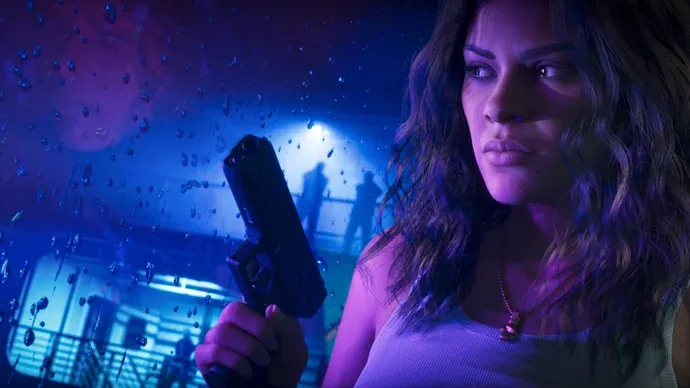
GTA 6 sells 32.5M pre-sales and $3.79B day one, torches 13-year record
Rockstar's sequel didn't just beat Grand Theft Auto V's 13-year-old benchmark; it reset what a launch can be, with 32.5 million pre-sale copies and $3.79 billion in a single day.