

NBA Finals Game 4 draws 20.9M viewers, most-watched on ABC since 1998
Knicks' win powered a 123% jump versus last year, peaking at 23.2M, reshaping what ABC and ESPN can sell.
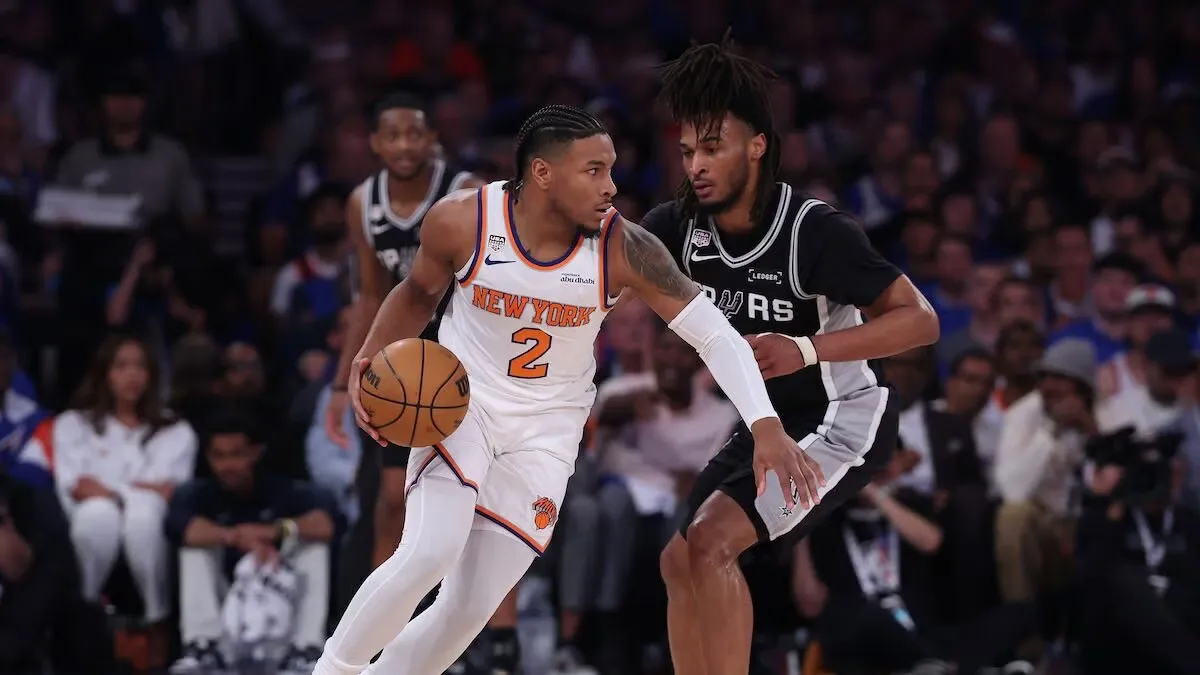
TheWrap reports that Game 4 of the 2026 NBA Finals averaged 20.9 million viewers on Wednesday, June 10, with Knicks momentum driving a peak of 23.2 million. For decision-makers, the showing is a marketing and programming signal: the finals are delivering their biggest audience since 1998 and are pushing ABC and ESPN's day-of-view performance.
Game 4 of the 2026 NBA Finals averaged 20.9 million viewers on Wednesday, June 10, and it peaked at 23.2 million viewers at 11:15 p.m. ET. That is a huge audience for a “single night” within a series, and TheWrap frames it the way broadcasters usually do when the stakes get real: this was the biggest Game 4 audience since 1998.
Why this matters immediately: the Knicks’ comeback energy after their Game 3 loss translated into measurable scale. TheWrap says Wednesday’s Game 4 viewership was up 123% from last year’s Game 4, and it also became the most-watched NBA Finals Game 4 ever on ABC. The broader TV picture got even louder, too: it was the most-watched TV program of the day across all key male and adult demos for June 10. In other words, this was not just “good for sports,” it was a top-of-day performance that can influence ad commitments, pricing confidence, and future scheduling decisions.
Zoom out to the full finals so far, and the story gets even more interesting for operators and investors in media. Through four games, the 2026 NBA Finals are averaging 19.6 million viewers, the biggest audience the finals have seen since 1998 and the most-watched finals on ABC and ESPN. That average is up 116% from last year’s Championship series through the same point. If you are running a network ad team, trafficking inventory, or building a content calendar, these are the kinds of numbers that make your sales deck feel less like a pitch and more like a receipt.
The series is also acting like a “repeatable bet” rather than a one-off spike. Game 3, which aired Monday, June 8 on ABC and ESPN, brought in 23.8 million viewers. TheWrap notes that this marked the largest TV audience since the Super Bowl in February, which puts it in a very rare category of TV events. Game 3 also tied into another headline metric: it was the biggest Game 3 audience since 1998. The data implies the audience is not only arriving, it is coming at volumes broadcasters normally associate with big tentpole moments.
And the distribution of viewers across games looks like a steady climb rather than an audience cliff. TheWrap says Game 1 brought in 16.93 million viewers on Wednesday, June 3, and Game 2 scored 16.43 million viewers on Friday, June 5. Both games scored ABC’s most-watched Game 1 and Game 2, respectively, since 2018. That matters because it suggests the finals are generating baseline interest early in the matchup, then amplifying it as stakes rise, rather than relying only on later-game intensity.
On-court, the results match the momentum those numbers suggest. San Antonio Spurs took victory with Game 3, 115-111, and then the New York Knicks took back the win with Game 4, 107-106. That single-point margin can sound like trivia, but in TV economics, tight games are a known ingredient for sustained viewership. TheWrap’s data supports that idea in outcome terms: as the Knicks rallied after their Game 3 loss, Game 4 delivered the biggest audience since 1998, plus the largest day-of performance across key male and adult demos.
Now comes the second-order pressure point: what happens when the series enters the “closing” window. Game 5 could close out the championship and see the Knicks score their first NBA Championship in 53 years. It tips off Saturday, June 13 at 8:30 p.m. ET. For networks like ABC and ESPN, and for any executive trying to plan around advertiser demand, the concern is simple: will the audience keep rising, hold steady, or cool off after the Game 4 peak? When a series has already produced Game 3’s 23.8 million viewers and Game 4’s 20.9 million average with a 23.2 million peak, it sets a high bar for every metric that comes next, from ad pricing confidence to how hard it becomes to swap out sponsorship assets if the schedule needs to flex.
Finally, consider the governance layer that almost never gets discussed in highlight reels: ratings like these can shift internal expectations and resource allocation. When a sports property delivers the biggest audience since 1998, it tends to influence broader portfolio decisions, including how much risk networks take on future rights, how aggressively they package cross-platform promotion, and how they evaluate audience measurement. The stakes for decision-makers are not just “did Game 4 perform,” it is what the performance signals about repeatability, the effectiveness of matchups, and the buying power of audiences across demos that advertisers actually target.
This story's Key Insights and Take-aways are locked.
Create a free account to unlock Executive Actions for one credit.
Register to UnlockAlways free for Executives Club members. Join the Club
More in Entertainment

Russell Brand's accuser 'bewildered and confused' as he denies 7 sex charges
The criminal case against the comedian is a live test of how media companies manage talent risk when serious allegations go public.

'It's a Magic Trick': Ballet Experts Say Rosalía's SNL Pose Is Impossible
Three ballet experts tell Rolling Stone Rosalía's gravity-defying SNL stillness shouldn't be possible - and why the debate is now part of the show.

Activision CMO: GTA 6 Will Boost Call of Duty, Not Bury It
Activision's top marketer says Rockstar's blockbuster will drive players back to consoles and into Modern Warfare 4, even as the company admits its recent strategy failed.