
Rockefeller became America’s first billionaire in 1916, a milestone the market keeps repeating
The New York Times traces how John D. Rockefeller hit “first billionaire” status in 1916, and why that history matters now.

John D. Rockefeller, the Gilded Age oil baron, became America’s first billionaire in 1916. His “first” moment is the historical mirror to Elon Musk’s rise, and it shows how quickly markets and headlines latch onto outsized wealth.
The New York Times draws a straight line between two headline magnets: John D. Rockefeller becoming America’s first billionaire in 1916, and Elon Musk’s later ascension into trillionaire attention. In both cases, the money itself is only part of the story. The real event is the moment the public, investors, and policymakers are forced to update their mental model of what “possible” looks like for wealth creation.
Rockefeller, a Gilded Age oil baron, reached the “America’s first billionaire” milestone in 1916. That date matters because the era was not designed for modern expectations about rapid capital gains, corporate governance, or transparent financial disclosure. Yet the milestone still made headlines, which is the first key parallel the Times points to. Musk’s rise did the same thing in a different century and a different market structure, but the pattern remains: when someone crosses an extreme threshold, the market stops debating slow truths and starts reacting to new scale.
To understand why this keeps happening, it helps to remember that “first” is a category-defining label. When Rockefeller became the first billionaire, it signaled that the oil economy had matured enough to generate truly outsized fortunes. Oil was one of the dominant industrial fuels, and the industry’s economics could concentrate wealth quickly, particularly around the firms and individuals controlling key segments of production, processing, and distribution. Once the possibility of that scale became real for the first time, markets and media did what they always do. They treated the milestone as evidence, not just of one person’s success, but of the system’s capacity to produce it again.
Now fast-forward to Musk. The Times frames the comparison plainly: Rockefeller’s ascension made headlines in 1916, and Musk’s ascent did it again, decades later, at a far higher order of magnitude. Even if the technologies, capital structures, and regulatory environments are worlds apart, decision-makers still face the same basic question when an extreme wealth milestone emerges: is this an outlier, or is it a new baseline? The difference affects everything from how investors price future risk to how boards think about strategy and succession.
Regulation and governance typically respond with delays, not because regulators lack urgency, but because rules tend to chase lived reality. When wealth concentrates at extreme levels, it can trigger new scrutiny around market power, competition, corporate control, taxation, and the fairness of the incentives. For executives and boards, the second-order issue is not just whether the individual is celebrated. It is whether the spotlight turns into policy attention that can change the economic math for the whole sector.
There is also a psychological and capital-market angle that boards can ignore only at their peril. When someone becomes the first in a new wealth tier, investor narratives shift. That can attract fresh capital, but it can also inflate expectations, tighten terms, or encourage risk-taking that feels justified in the moment. The 1916 milestone showed how quickly “first” becomes a story investors tell themselves about the durability of an advantage. Musk’s trillionaire moment suggests the same mechanism can repeat, now with faster information cycles and more direct links between corporate outcomes and individual net worth.
The strategic stakes for peers in similar roles are straightforward. Rockefeller’s “first billionaire” status shows that market perception can crystallize around a single extreme event, and that headline attention can become a kind of informal governance pressure. Musk’s ascension, as the Times notes, repeats the pattern on a different scale, reinforcing a reality executives know but sometimes underestimate: wealth milestones can rapidly reshape expectations for the companies and industries involved.
In other words, the money is the headline. The impact is the re-pricing of the future. When a market produces a “first billionaire” or a “first trillionaire,” it forces everyone else to ask what the new ceiling means for competition, regulation, and capital allocation. That is why the story of Rockefeller in 1916 is not just trivia. It is the earliest chapter in a recurring market ritual.
This story's Key Insights and Take-aways are locked.
Create a free account to unlock Executive Actions for one credit.
Register to UnlockAlways free for Executives Club members. Join the Club
More in Business

SpaceX debuts Friday on Nasdaq at $135, surges to $160.95, valued near $1.8T
A Nasdaq opening pop turns SpaceX into a public company overnight, forcing new money questions fast.

SpaceX shares jump 11% after its IPO, signaling a rush of AI mega-offerings
The biggest IPO ever in a crowded market just re-priced risk for the next wave: OpenAI and Anthropic.
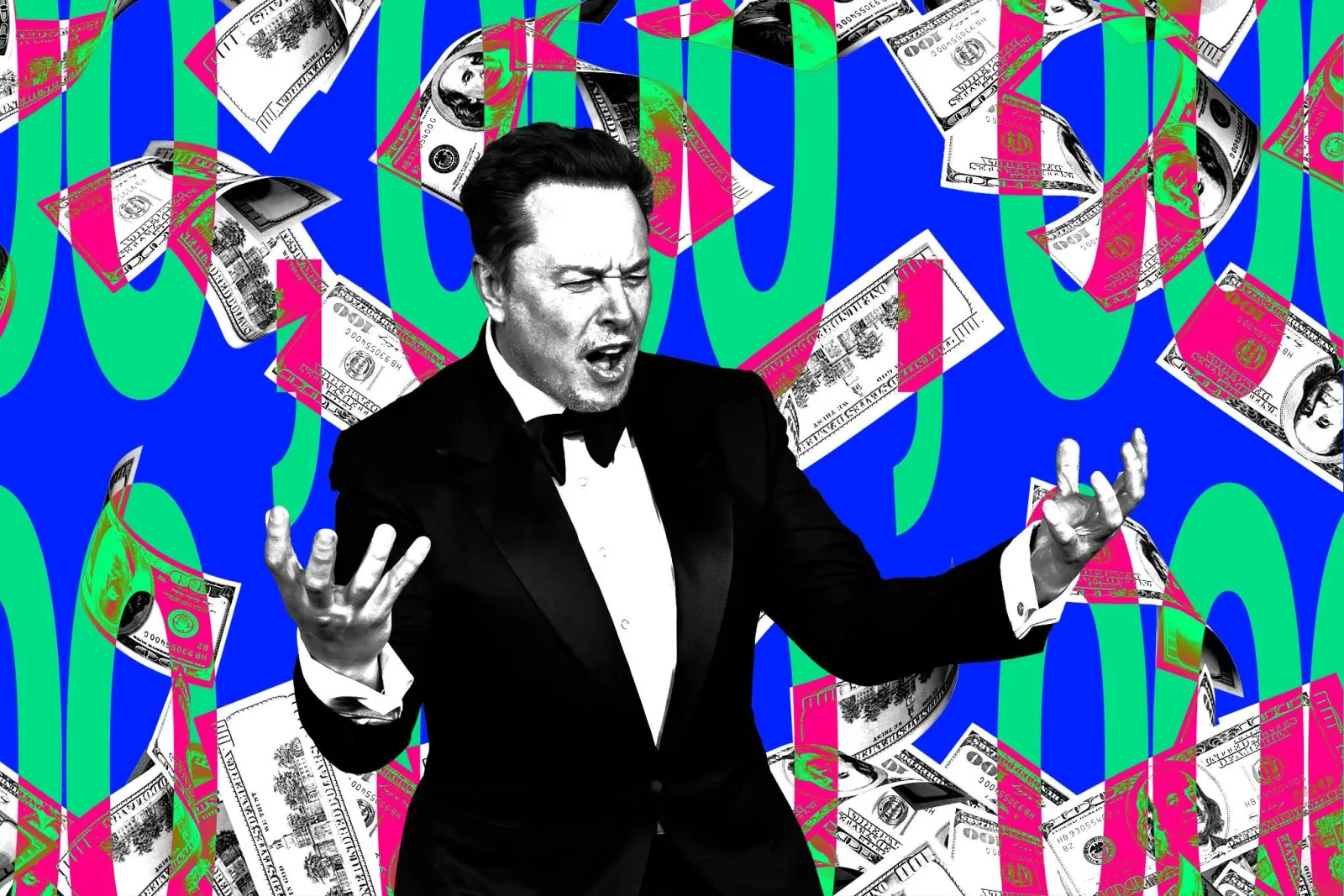
Elon Musk became the world’s first trillionaire after SpaceX IPO lifted him past $1T
SpaceX shares jumped, and Musk’s $800B pre-IPO value crossed a trillion, reshaping how investors price “moonshots.”