
SK Hynix vows to triple wafer capacity by 2034, says Chey Tae-won
AI memory shortages will ease eventually, not soon, even as SK ramps fabs earlier.

SK Group chair Chey Tae-won says SK Hynix expects to triple wafer capacity by around 2034 after moving up its buildout. For decision-makers, that means today’s DRAM and NAND price pressure likely won’t disappear quickly.
AI infrastructure demand is still pressing on memory like a thumb on a bruise. The latest signal is blunt: SK Hynix, the world’s largest supplier of HBM memory used in high-end GPUs, expects to triple its wafer capacity by around 2034, according to an interview with Nikkei Asia given by SK Group chair Chey Tae-won.
Chey frames the delay as structural, not tactical. “Our calculations show that our wafer capacity will double within five years. But honestly once all these facilities are built, it won’t just double, it will triple by around 2034,” he told Nikkei Asia. In plain terms: SK Hynix can accelerate a build schedule, but it cannot cheat physics. The fastest anyone can bring a leading-edge memory fab online is about three years, and memory pricing reacts on that timeline, not on executive wishlists.
To understand why this matters, zoom out to how memory supply and pricing typically behave. SK Hynix is one of three major producers of NAND flash and DRAM memory, with Samsung and Micron as the other two. Those memory chips are critical inputs for AI inference and storage, so when demand rises, the entire ecosystem feels it. The article notes memory prices for consumer DRAM and SSDs have more than tripled compared to this time last year, and memory vendors have seen revenues explode. That’s the upside. The downside is timing: new capacity does not arrive instantly, so consumers do not get relief quickly.
Chey’s 2034 “triple” comes after a concrete push to add manufacturing capacity sooner. SK is bringing four additional wafer fabs online. The first phase is reportedly on track to come online as early as 2027. Chey also said SK previously planned to ramp these facilities over the next two decades, but pulled in the timeline in hopes of satiating AI’s memory “addiction.” He told Nikkei Asia that “there is currently no way to move faster than this,” meaning the company views its schedule as the maximum achievable within current constraints.
This is also why memory prices are not expected to fall right away, even if capacity is expanding. Analysts warn memory prices are more likely to plateau going into 2027 rather than plummet, compared with past DRAM and NAND boom-bust cycles. Historically, those cycles have been driven by inventories drawn down during demand spikes, then cratering as new capacity reaches the market. The article suggests AI has stabilized the pattern to some extent. But there’s a catch: the AI boom started in 2022 “at what was arguably the worst possible time,” according to TechInsights analyst James Sanders, who told El Reg late last year that “This demand started in the Valley for the DRAM industry. That makes financially trying to build additional capacity really challenging.”
Even with better demand visibility now, the build pipeline still takes years. The result is a multi-year squeeze that management teams, customers, and investors must plan around. The article notes SK’s statements come just a week after SK Hynix said it planned to double its production capacity within the next five years. So the story is not “nothing is changing.” It is “everything is changing on a delay,” and that delay affects procurement planning, margin expectations, capex prioritization, and pricing power across the supply chain.
There is another strategic layer: where capacity gets built. While much of the capacity will be built in SK’s home turf, Chey said SK is exploring options for overseas manufacturing, with Japan described as a potential destination. He called Japan an “excellent” candidate due to its robust semiconductor supply chains. For boards, that is a signal that the company sees resilience and supply-chain depth as competitive advantages, not just cost optimization. For peers, it raises the competitive bar because not all fabs are equal in speed, workforce access, equipment ecosystems, and downstream coordination.
The hard takeaway is timing risk. The article emphasizes that memory pricing is not expected to peak until later this year at the earliest, and that the cycle may plateau rather than reset. That means anyone relying on a quick normalization event should treat it as unlikely. As the industry expands fabs and ramps production, the article also notes labor disputes over competition as well as fab expansions become more likely, a reminder that scaling manufacturing is as much about operational execution as it is about demand.
If you’re a CEO, CFO, or board member at an AI hardware, networking, storage, or semiconductor-adjacent company, Chey’s 2034 “triple” is the planning number that matters. It says the rebound path is long, production constraints are real, and the market’s next repricing is likely to be incremental. The smart move is not to hope for a sudden price collapse. It’s to build strategies that work even when supply catches up slower than anyone wants.
This story's Key Insights and Take-aways are locked.
Create a free account to unlock Executive Actions for one credit.
Register to UnlockAlways free for Executives Club members. Join the Club
More in Business

SpaceX debuts Friday on Nasdaq at $135, surges to $160.95, valued near $1.8T
A Nasdaq opening pop turns SpaceX into a public company overnight, forcing new money questions fast.
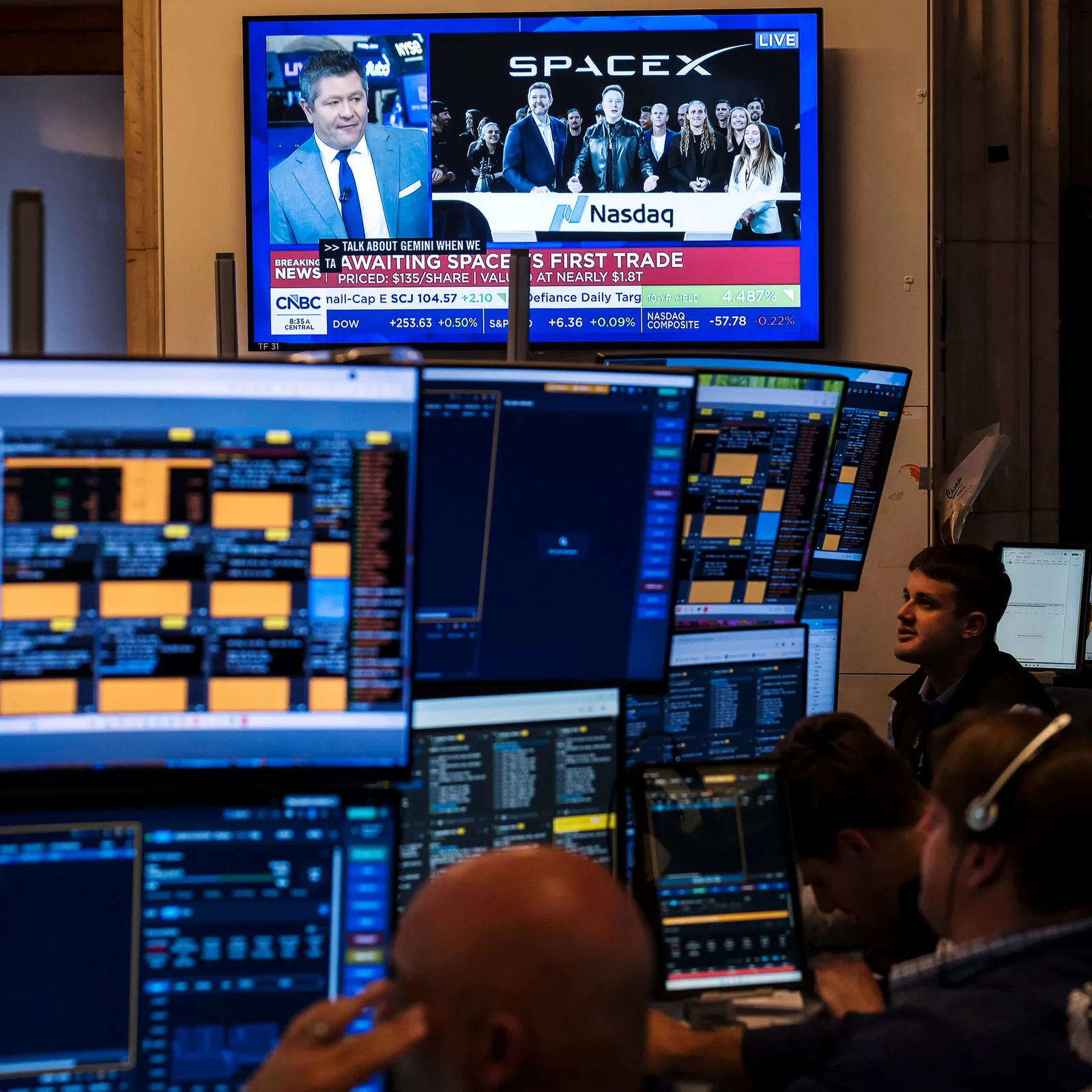
SpaceX shares jump 11% after its IPO, signaling a rush of AI mega-offerings
The biggest IPO ever in a crowded market just re-priced risk for the next wave: OpenAI and Anthropic.
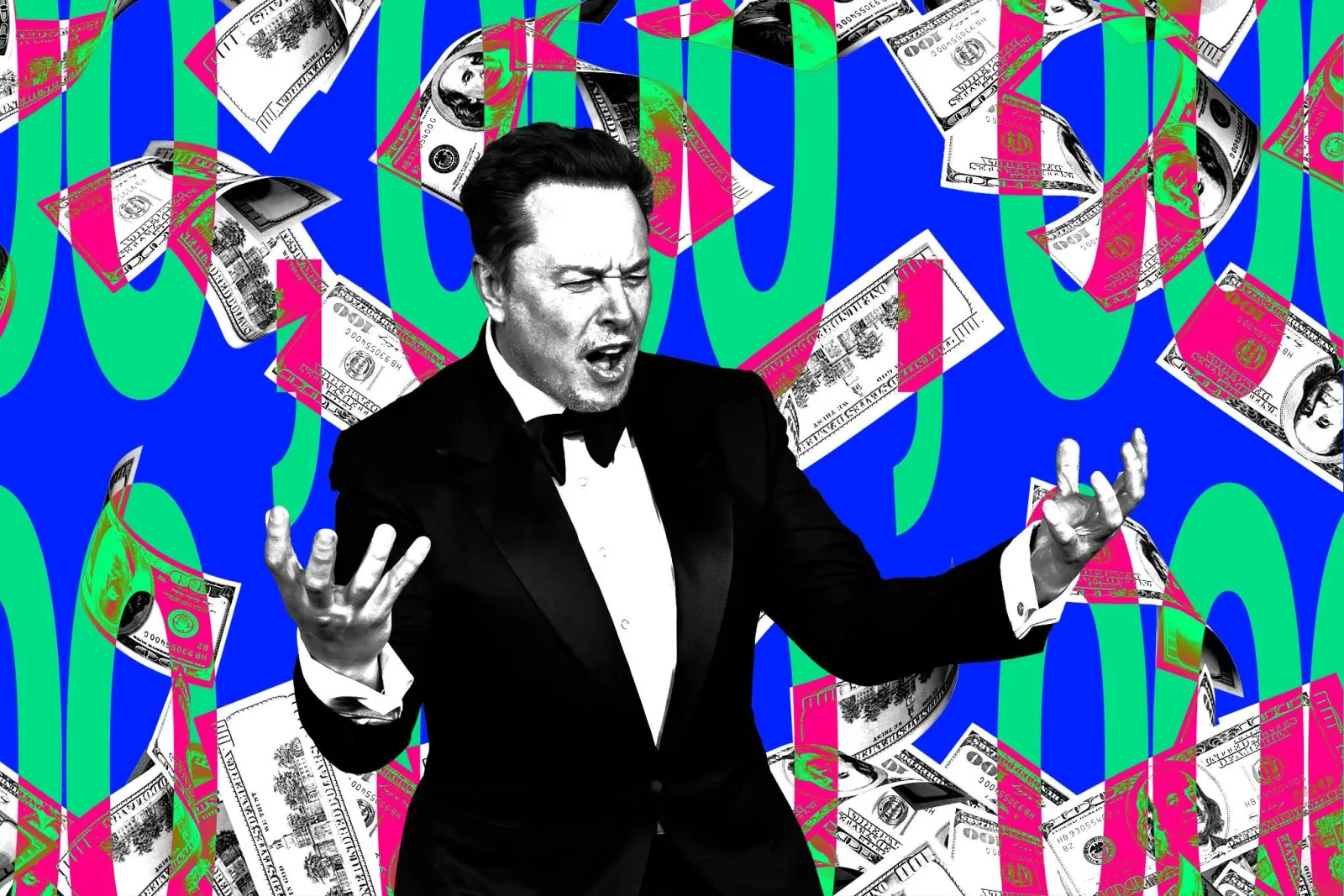
Elon Musk became the world’s first trillionaire after SpaceX IPO lifted him past $1T
SpaceX shares jumped, and Musk’s $800B pre-IPO value crossed a trillion, reshaping how investors price “moonshots.”