
SpaceX clears $2 trillion on IPO day after a $176.52 first-day peak
A record-setting debut sends SpaceX to the sixth most valuable U.S.-listed company, reshaping how markets price private rockets.

SpaceX’s IPO market debut propelled the company to an estimated $2 trillion value, with the stock reaching a first-day high of $176.52. For decision-makers, the day’s pricing shows how quickly public markets can re-rate a private platform once liquidity and visibility arrive.
SpaceX is now worth $2 trillion, and the opening trade tells you exactly why public markets are willing to move fast. Quartz reports that the stock hit a first-day high of $176.52, and that price action made SpaceX the sixth most valuable U.S.-listed company. In other words: this was not a slow, cautious “let’s see” debut. It was an instant valuation leap anchored to the first day’s peak.
That $176.52 figure matters beyond bragging rights, because it is the concrete market signal that translates a private company story into a public-company reality. Quartz ties that first-day high to SpaceX’s ranking among U.S.-listed companies, placing it sixth in market value. If you are a founder, investor, or board member, this is the kind of moment where the market draws a new line on the map for what “possible” pricing looks like when a company goes from private narrative to public tape.
Zoom out for a second on what an IPO actually does to a company like SpaceX. Before an IPO, the company’s valuation lives in private rounds and negotiated expectations, often with a narrower set of investors and less frequent price discovery. After an IPO, the valuation becomes a daily, trade-by-trade referendum. That shift changes incentives. Management teams get more scrutiny, investors get a liquid instrument, and the market has to continuously price future cash flows, competitive positioning, and execution risk in real time.
Now layer in the regulatory reality. A company can be a technical marvel and still face public-market constraints once it files and registers shares. Even when the company is already operating at scale, the act of going public forces new levels of disclosure and compliance around financial reporting, governance structure, and ongoing regulatory oversight. That is part of why the first day’s market behavior is so telling: it reflects not just excitement about space, but also the market’s confidence that the company’s public-market transition is credible enough to support a massive valuation.
The headline also mentions a “largest IPO in history” with a first-day to match, and that framing is a reminder of how rare this kind of listing event is. The biggest IPOs do not just create wealth for existing shareholders. They also set a reference point for every subsequent offering, particularly in high-interest sectors where investors want exposure but have historically struggled with access, liquidity, and timing. When a deal is scaled to the top tier of market history, the first day’s peak price becomes a benchmark executives and boards can refer to when they think about capital raises, investor attention, and how quickly a narrative can convert into valuation.
There is also a second-order implication for peers in similar positions: valuation expectations can shift faster than private-company planning cycles. A first-day high like $176.52 does more than congratulate a company already in the spotlight. It can recalibrate what investors expect from other high-growth platforms that are still private or contemplating going public. Boards overseeing future funding strategies have to recognize that “time to market” matters. When the public market chooses speed, the window for catching that momentum becomes narrow.
For decision-makers, the strategic stake is straightforward. Public market pricing sets the terms for future capital structure options, shareholder expectations, and the pressure on management to execute in a way that sustains valuation beyond day one. Quartz’s reported figures connect the IPO’s instant valuation to a specific trading milestone, and that combination creates a clear accountability moment. The market is not just saying SpaceX is important. It is already placing it among the biggest U.S.-listed companies by value, and that status invites scrutiny, comparison, and follow-on scrutiny from investors, analysts, and other companies trying to earn similar reratings.
The takeaway is not that every company should rush toward an IPO. It is that when a company of this scale does go public, the market can reprice it immediately based on whatever investors believe will drive long-term value. And in this case, the first-day high of $176.52 and the resulting $2 trillion valuation show how decisive that repricing can be, with SpaceX landing at sixth among U.S.-listed companies right out of the gate.
This story's Key Insights and Take-aways are locked.
Create a free account to unlock Executive Actions for one credit.
Register to UnlockAlways free for Executives Club members. Join the Club
More in Business

SpaceX debuts Friday on Nasdaq at $135, surges to $160.95, valued near $1.8T
A Nasdaq opening pop turns SpaceX into a public company overnight, forcing new money questions fast.

SpaceX shares jump 11% after its IPO, signaling a rush of AI mega-offerings
The biggest IPO ever in a crowded market just re-priced risk for the next wave: OpenAI and Anthropic.
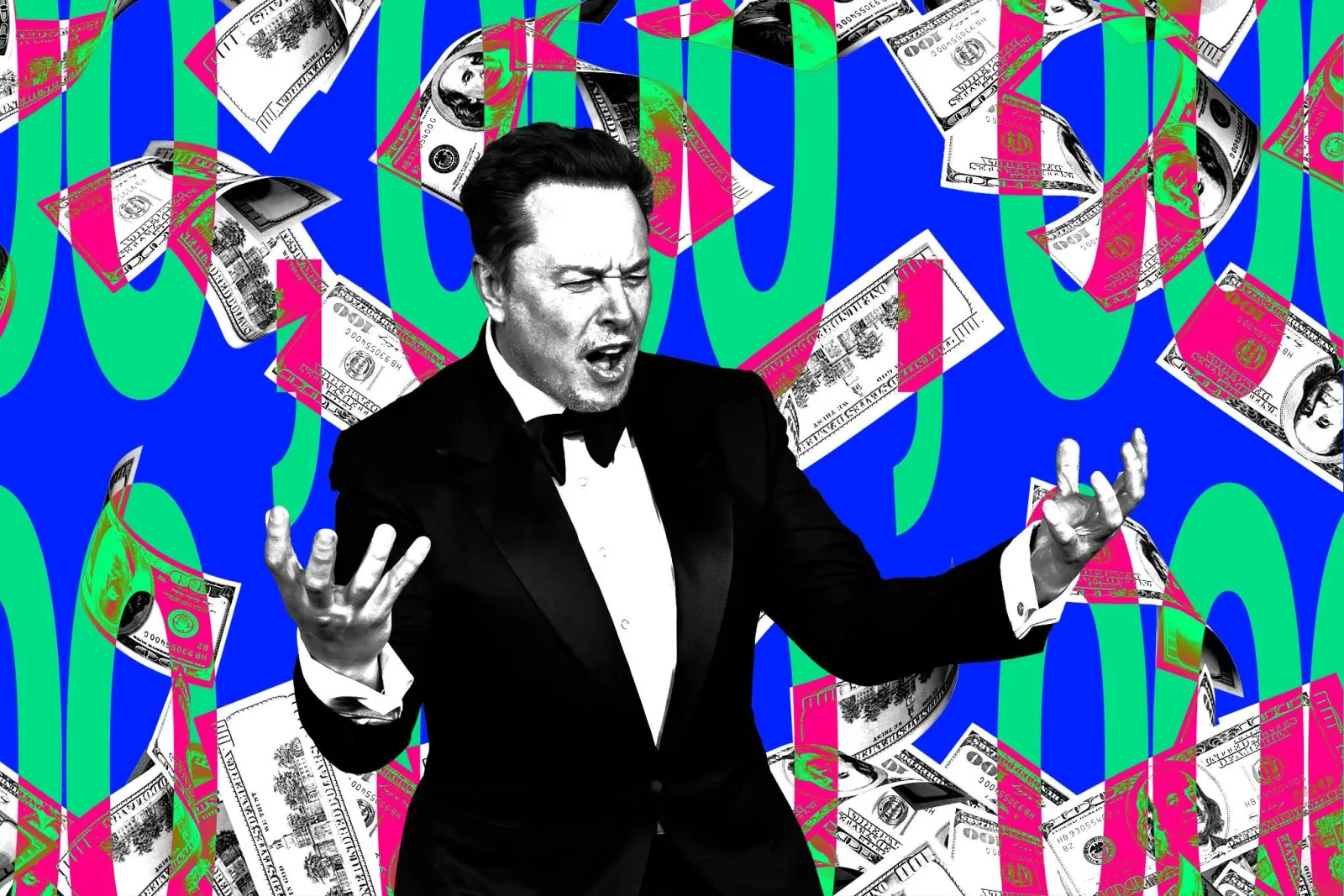
Elon Musk became the world’s first trillionaire after SpaceX IPO lifted him past $1T
SpaceX shares jumped, and Musk’s $800B pre-IPO value crossed a trillion, reshaping how investors price “moonshots.”