
SpaceX IPO prints VC math: Founders Fund’s $20M turns into a $1.8T exit story
The winners are concentrated, the hold period just got validated, and VC’s “Hot IPO Summer” may have real momentum.
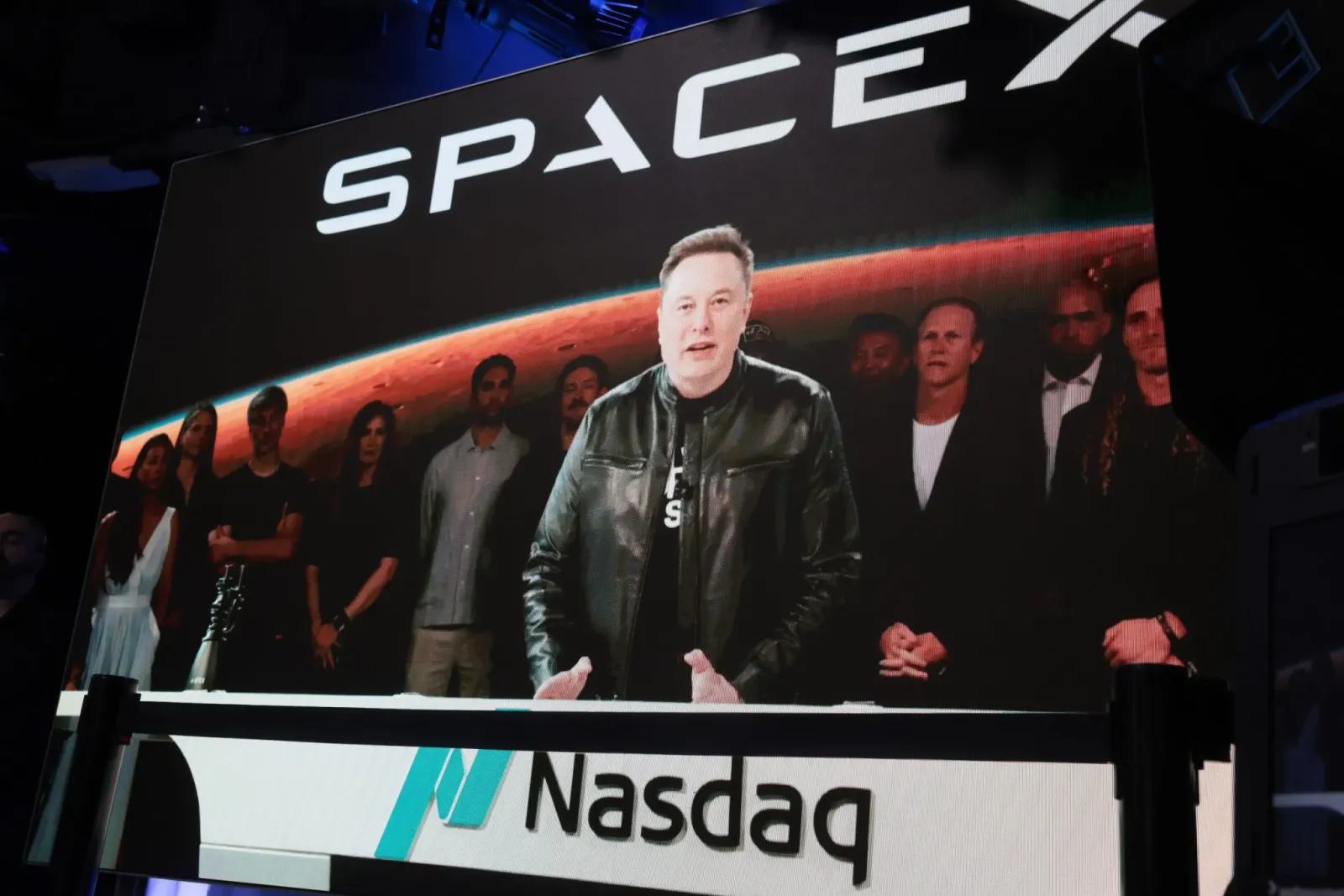
SpaceX’s IPO is set to crown major VC winners including Founders Fund, Andreessen Horowitz, Sequoia, Valor, and DFJ Growth. For decision-makers, the bigger consequence is that venture’s multi-decade hold period finally produced an extreme outcome, reshaping how the market prices future IPO timelines.
SpaceX’s IPO is doing something rare for venture capital: it’s turning a once-absurd long bet into a readable, public-market outcome. The most striking example in Fortune’s breakdown is Founders Fund, which first backed Elon Musk’s rocket moonshot in 2008 for $20 million. When the company is valued around $1.8 trillion on debut, that $20 million is no longer just “early stage.” It becomes a reference point everyone in VC and in growth investing will cite until the next anomaly arrives.
That same “this was weird at the time” theme shows up across other named winners. Andreessen Horowitz, founded in 2009, first backed SpaceX in 2023 when the company was still valued at $137 billion. Sequoia first backed SpaceX in 2019, with partner Shaun Maguire leading, and has invested more than $2 billion across funds. Valor Equity Partners, run by Antonio Gracias, is described as having a stake that could go north of $90 billion. And DFJ Growth, which invested from SpaceX’s first institutional fund in 2009, initially backed the company with $10 million and has since invested more than $800 million, with cofounder and managing partner Randy Glein serving as a SpaceX board observer since 2009.
Put simply: this IPO is a scoreboard. And the scoreboard is concentrated. Fortune’s article leans on PitchBook’s Kyle Stanford, who frames the stakes as both a win and a warning. “It’s a huge win for VC firms,” he said, adding that even though returns are concentrated, the industry gets something it has been craving: a credible narrative that IPOs are “on their way back.” The logic is straightforward. If SpaceX does great publicly, it becomes proof of concept. If OpenAI and Anthropic also pursue public exits by the end of the year, those outcomes could reinforce the pipeline story and create momentum for other companies aiming at IPO windows, including a possible “early 2027” theme for “regular unicorns” valued around $10 billion to $20 billion.
But the counterweight matters just as much, especially for boards and LP relationships. Stanford’s point is blunt: in SpaceX’s full cap table, it’s not a broad set of mid-tier managers sharing the upside. “It’s the best, and then all the other major asset managers in the world,” he said. In other words, the public-market confirmation of venture’s power law does not automatically mean venture’s benefits are evenly distributed. The returns pile up for a select group of firms and managers, while “have-nots will have even less.” That gap is not just emotional. It affects incentives. It shapes fundraising. It influences how aggressively managers take early bets, and how patient LPs want to be when the next multi-decade hold cycle stretches on.
There is also a timeline angle that executives should care about: venture has long lived with a structural tension between the promise of outsized outcomes and the cash-pressure reality of long holds. Fortune calls SpaceX’s IPO “the first time we have proof” that a sometimes multi-decade hold period can produce “spectacular results.” That matters because venture is not just a business of choosing winners. It is a business of surviving the waiting room. When an exit finally validates the patience, it can relax some pressure in the system. When it does not, LP complaints tend to intensify, and managers are forced into shorter-dated strategies that can change what gets funded.
This is why Fortune frames the sector’s reaction as almost inevitable. Even if SpaceX is ultimately “anomalous,” the industry will grasp onto the examples anyway. SpaceX, plus the possible timing of Anthropic and OpenAI, will be held up as what is “truly possible.” Stanford’s warning is that this becomes a cautionary tale as well: the market will extrapolate forever. “Everyone's going to say, ‘well, look at SpaceX and Anthropic and OpenAI’ forever,” he said. But when the industry looks at 2026 exit value charts, he argues, the distribution underneath will look nothing like those blockbuster bars: “$4 trillion in exit value” would make everything else look tiny. For boards, that means you cannot underwrite your portfolio strategy on hero cases, even when hero cases show up.
For executives at firms invested in venture across stages, the second-order takeaway is about narrative and underwriting discipline at the same time. Public proof can shift sentiment quickly. An “IPO summer” story can pull forward risk appetite, improve valuations, and make exits feel less like miracles and more like milestones. But concentration risk remains. If a small number of firms are effectively positioned to capture the upside, the market may reward select strategies while punishing the broad middle. Meanwhile, the regulatory and listing context matters because an IPO is a public process, with scrutiny that private markets do not replicate exactly. The upshot is that operating teams at portfolio companies get more than a liquidity event. They inherit a new market expectation: if their category looks like it could be the next SpaceX-style exit, fundraising and partnership conversations will shift accordingly.
So yes, SpaceX’s IPO is a win for venture. But it is also a test of what everyone does next: VC firms, LPs, board members, founders, and executives who have to decide whether long holds still make sense, and whether IPO windows are widening for more than the rarest giants.
This story's Key Insights and Take-aways are locked.
Create a free account to unlock Executive Actions for one credit.
Register to UnlockAlways free for Executives Club members. Join the Club
More in Business
Elon Musk became the world’s first trillionaire after SpaceX IPO lifted him past $1T
SpaceX shares jumped, and Musk’s $800B pre-IPO value crossed a trillion, reshaping how investors price “moonshots.”
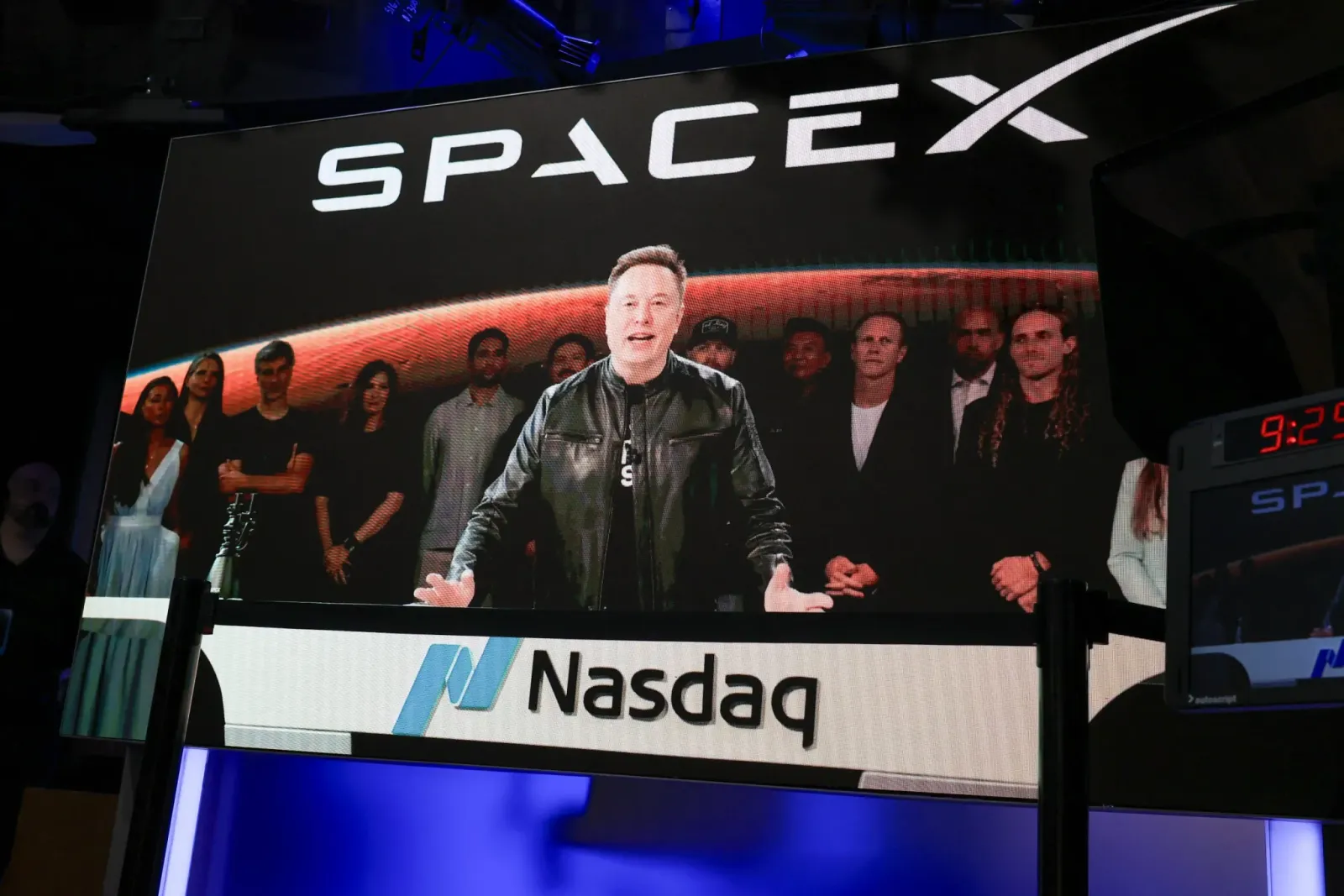
SpaceX stock closes at $161.11 after $2.1T debut valuation shatters expectations
The IPO priced at $135, surged on Nasdaq and Texas, and immediately rewired how executives think about mega-debuts.
SpaceX IPO priced June 12 at $135: Elon Musk crosses $1T as funds pick up the tab
The SpaceX IPO values the company around $1.77T and estimates Musk’s stake at $866.5B, with broad investor ripple effects.