
The $7.25B Roundup settlement is approved, and it covers claims not yet filed
Judge Timothy Boyer's approval in Missouri turns years of Roundup cancer litigation into a single number, and a rare structure that reaches future plaintiffs.
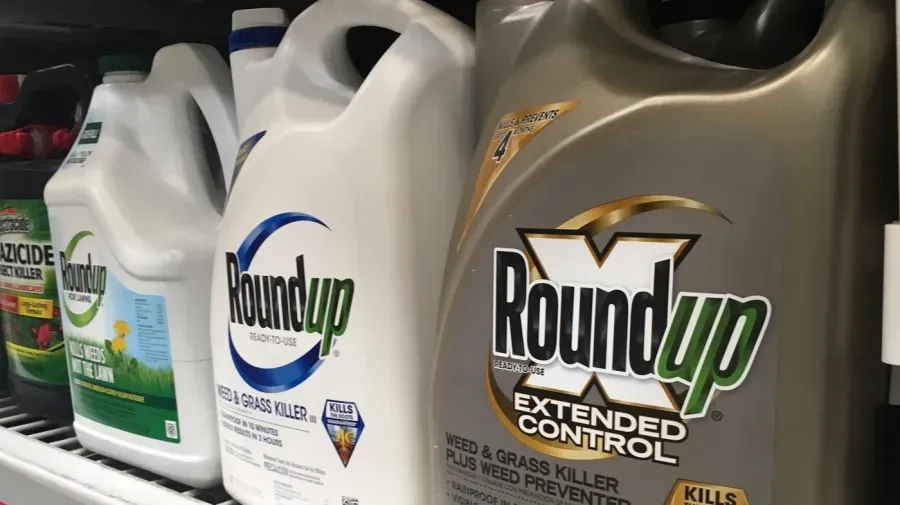
Missouri Judge Timothy Boyer formally approved a $7.25 billion agreement settling current and future cancer claims alleging that exposure to Monsanto's Roundup weed killer caused non-Hodgkin lymphoma. For executives, the deal is a template: it converts an open-ended mass tort into a defined liability that can be reserved, disclosed, and modeled.
A Missouri judge on Friday formally approved a $7.25 billion agreement to settle current and future cancer claims tied to Roundup, the weed killer made by Monsanto. Judge Timothy Boyer's decision wraps up years of litigation in which people alleged that their exposure to Roundup caused them to develop blood cancers known as non-Hodgkin lymphoma. The dollar figure is the headline. The structure is the real story. This is not a payout to a fixed list of plaintiffs already sitting in a courtroom. It is a settlement built to reach claims that have not been filed yet, by people who have not been diagnosed yet. That is rare in mass tort litigation, and it is why a ruling in a Missouri court matters to boardrooms nowhere near Missouri.
Start with why the future-claims piece is unusual. Companies facing long-tail liability typically do one of two things: fight claims one at a time, or settle the docket that exists and hope the rest goes away. Both leave the tail open, which means the liability stays on the books as an estimate, a footnote, and a persistent discount on the share price. A settlement that reaches forward converts an open-ended obligation into a defined number. For a public company, that changes reserve math, disclosure language, and the way analysts model risk. It also changes the economics for plaintiffs' lawyers, who trade the chance of a blockbuster jury verdict for a claims process with defined criteria and faster, more predictable payouts. Certainty, in other words, is something both sides can price.
For context on how we got here: Roundup is one of the most widely used weed killers in the world, and glyphosate is its active ingredient. Monsanto was its longtime maker. Bayer acquired Monsanto in 2018, and with the company came the litigation. The legal exposure has been a persistent drag on the acquirer's balance sheet and reputation ever since, and it has become the standard case study for what happens when a buyer inherits a product with a contested safety record. Deals are priced on the assets. They are paid for on the liabilities. That gap between the two is where shareholder value quietly goes to die.
Formal approval matters because a settlement is not a settlement until a judge signs it. Before Friday, the $7.25 billion was a proposal with a signature line. Now it is an order, which is the difference between a company telling investors it hopes to resolve something and telling them it has. That unlocks the accounting: reserves can be trued up, disclosure can be specific, and the overhang can be described in the past tense. It also starts the unglamorous part, a claims administration process that will grind on for years as individual cases are evaluated and paid out under criteria the court has now blessed.
The second-order effects are where this gets interesting for anyone who is not a Bayer shareholder. Mass torts move in waves, and each wave borrows the last one's playbook. A settlement that bundles current and future claims into a single negotiated number is a template that defendants in other long-tail fights, from industrial chemicals to consumer products, will study closely. Insurers who write product liability coverage will reprice the risk of any product with a contested safety profile, which raises the cost of doing business across whole categories. And plaintiffs' firms will run the per-claim math to decide which industries look like the next Roundup. Legal risk, once it has a price, becomes a market.
There is also a science-versus-verdict gap that this case sits squarely inside. Regulators have not spoken with one voice on glyphosate; some have concluded it is unlikely to pose a cancer risk at approved exposure levels, while juries have reached conclusions that point the other way. That gap, between what a regulator will certify and what twelve people in a jury box will award, is the engine of modern mass tort litigation. It is also why legal risk in this category is so hard to diligence: the exposure does not show up in a lab result, it shows up in a verdict, and verdicts are not published in advance.
The strategic takeaway for executives and boards is blunt. Long-tail liability is a balance sheet item, not a public relations problem, and it should be priced at the moment of the deal, not a decade later. That means diligence that goes past the product label, indemnity and escrow structures that actually cover the tail, insurance towers sized for a decade of claims rather than the docket you can see today, and disclosure that treats litigation as a number with a range rather than a caveat with a shrug. Bayer's $7.25 billion is a hard number now. The lesson it carries is that the price of an acquisition is never just the price of the acquisition.
This story's Key Insights and Take-aways are locked.
Create a free account to unlock Executive Actions for one credit.
Register to UnlockAlways free for Executives Club members. Join the Club
More in Politics
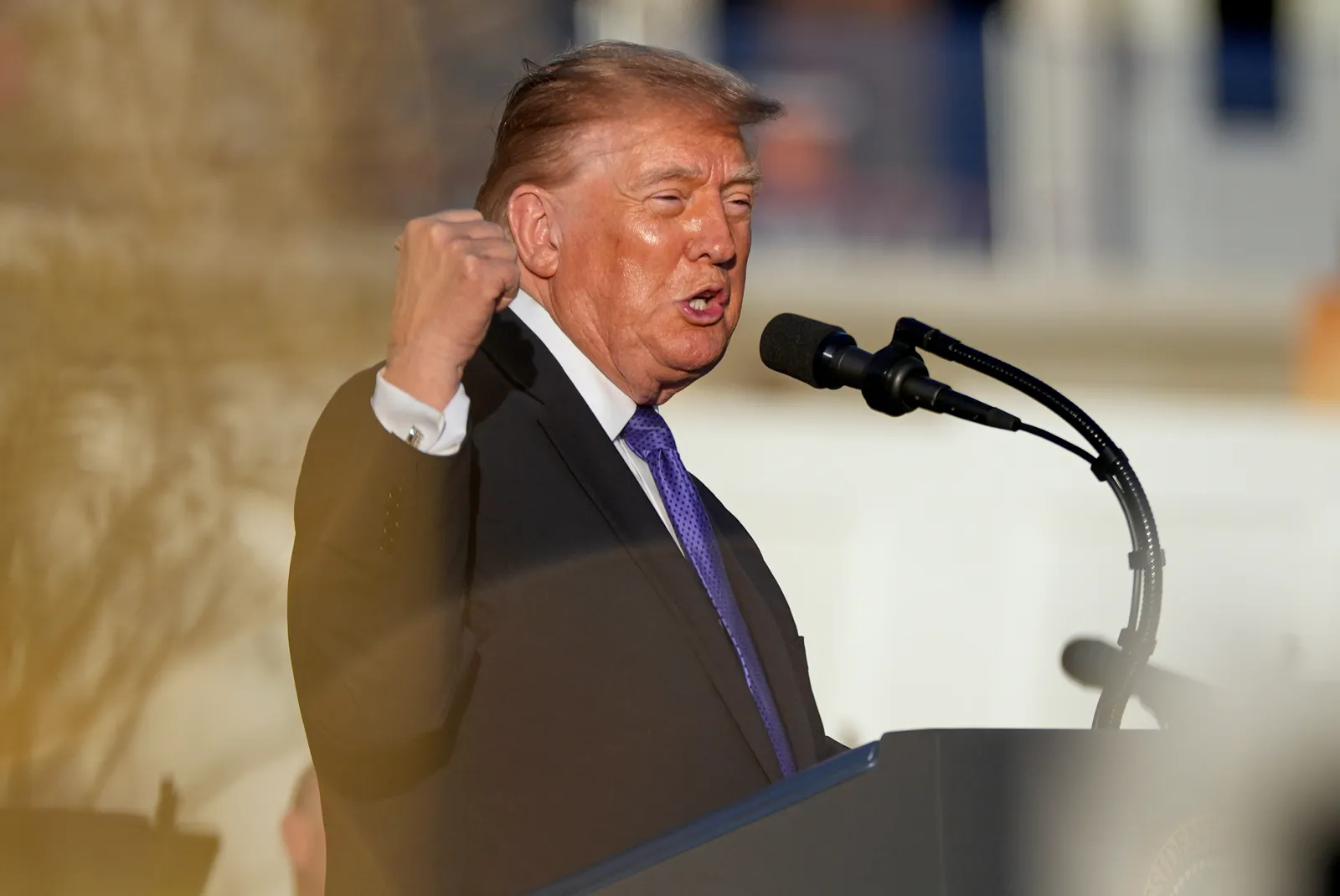
'Mentor grandfather, not the godfather': GOP chairs brace for Trump's 2028 grip
Two dozen-plus Republican state and county leaders tell Politico they are stuck with Trump in 2028, and the polling shows why they cannot say so out loud.
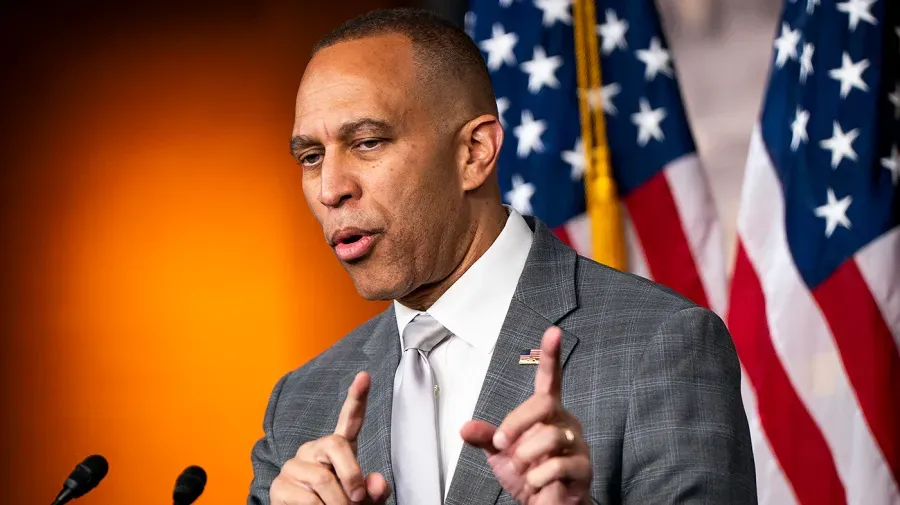
Democrats Agree on 'Medicare for More.' The Hard Part Starts in January.
A rare liberal-moderate truce has produced a consensus health plan, but the mechanism Democrats choose will decide who gets covered, how fast, and who pays for it.
Hakeem Jeffries' Three Tests: Trump, Schumer's Job and Stephen Miller
The Democratic nominee for House speaker is now on the record about investigating Trump, whether Chuck Schumer should be majority leader, and whether he would ever sit down with Stephen Miller.