
The Electoral College bypass is closing in on its critical milestone
A state-by-state pact to make the popular vote decide the presidency is nearing the threshold that would switch it on. The states left to sign are the hardest ones.
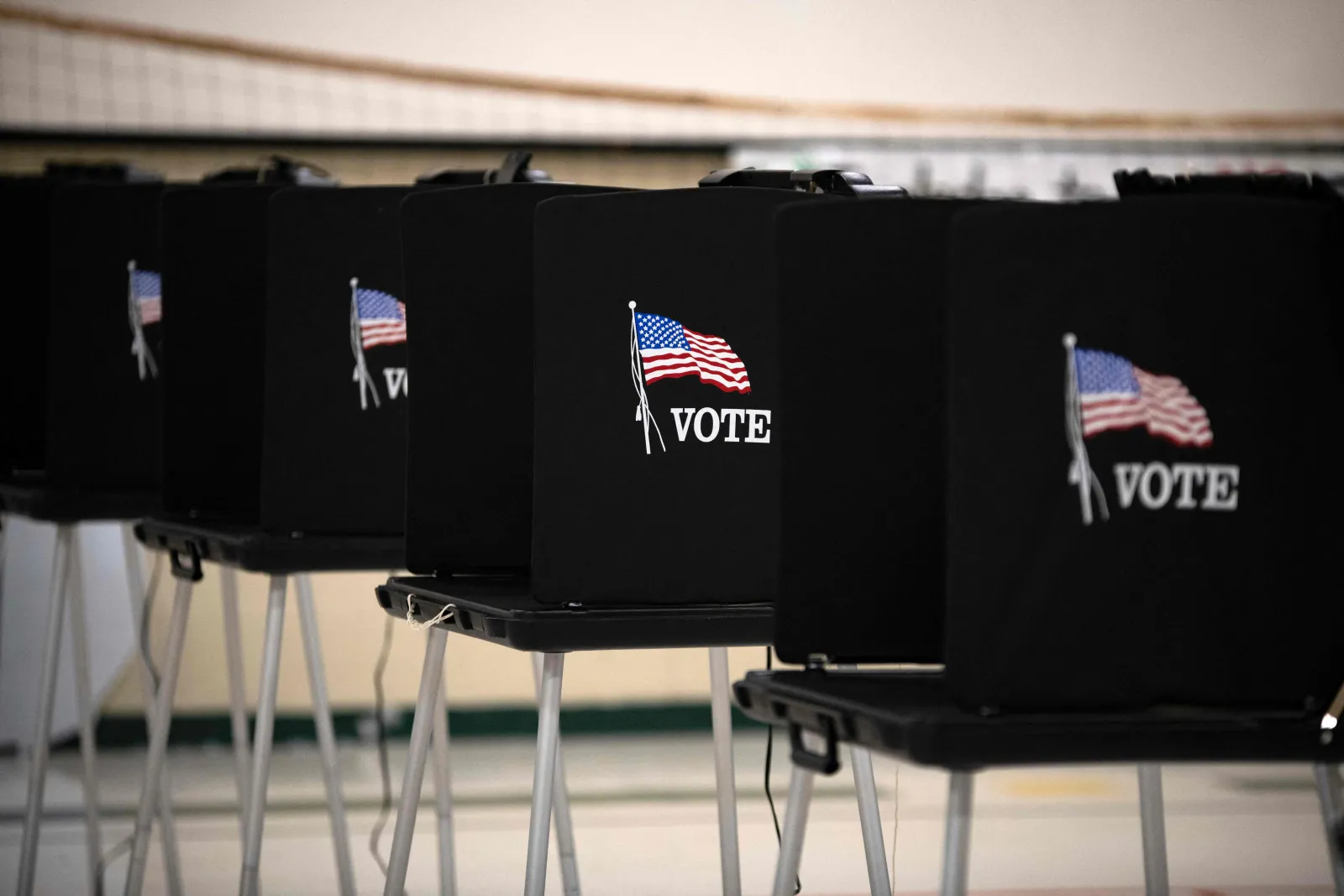
A national, state-by-state effort to guarantee that the winner of the popular vote becomes president could reach a critical milestone soon, according to NPR, with hurdles still standing in the way. For executives, the milestone matters because it would redraw where campaigns spend, where policy leverage sits, and which states actually decide federal power.
A national campaign to make the winner of the popular vote the winner of the presidency could hit a critical milestone soon, according to NPR. The mechanism is a state-by-state pact: legislatures agree to award their electoral votes to whichever candidate wins the national popular vote, no matter how their own state voted. The catch is the trigger. The agreement only switches on once the states that have signed it control a majority of the Electoral College, 270 of 538 votes. Until that number is reached, every state that has joined is a promise with no force behind it.
That is why the next stretch matters more than the last several years. The effort has been built state by state, session by session, and it is now close enough to the threshold that supporters describe the finish line as visible. The urgency comes from simple arithmetic: the Electoral College has twice in the last quarter century installed a president who did not win the most votes nationwide, in 2000 and again in 2016. Both times, the outcome turned on a handful of counties in a handful of states. The compact is the most serious attempt to make that impossible without a constitutional amendment, which requires two-thirds of Congress and three-quarters of the states, a bar no serious observer expects the country to clear.
The Constitution does not require states to hold a popular vote at all. Article II leaves the method of choosing electors to each state legislature, and for most of American history that power has been exercised through the familiar winner-take-all ballot. The compact does not try to amend the Constitution. It tries to use that state power instead, coordinating it so that the national popular vote becomes the deciding number. That design is the source of both its appeal and its fragility. It can be enacted by legislatures and governors rather than by a supermajority of the country, which makes it achievable. It can also be undone the same way, which makes it reversible.
The hurdles that remain are not trivial. The compact still needs more states, and the ones left are harder than the ones already on board. There is also the question of what happens if a state tries to walk away after the compact activates, or if a legislature elected on one set of rules tries to rewrite them before the votes are counted. Historically, the objections have centered on exactly that: whether a state can bind its electors to a national result rather than its own, and whether a compact of this kind requires congressional consent under the Constitution's compact clause. None of that has been settled by a final court ruling, which means the milestone, if it arrives, is a beginning rather than an ending.
The deeper obstacle is a coordination problem that any executive who has run a multi-party deal would recognize. A state that joins while the compact is still short of 270 gives up something real, its own leverage and its own say, and gets nothing in return until the last state signs. That is why the effort has moved in fits and starts, and why the final states are the hardest to land. The states that have already joined are betting that the milestone creates its own momentum, that once the number is close, the political cost of being the state that blocked it becomes higher than the cost of joining.
If the compact ever activates, the second-order effects would be enormous and would land far outside politics. Presidential campaigns would stop optimizing for a handful of swing states and start buying media in every market, which reshapes the economics of local television, radio, and digital advertising. Turnout operations would move toward dense metro areas that are currently ignored, changing how campaigns allocate hundreds of millions of dollars. For companies that plan around federal policy, the map of who to lobby and where to build a factory or a data center would shift, because the states that decide elections would no longer be the states that decide elections. None of that is guaranteed. All of it is the reason the milestone is worth watching.
For now, the thing to watch is the number. Every legislative session in a state that has not yet joined is a chance to move it, and the effort's supporters have been explicit that they are playing a long game measured in years, not news cycles. The strategic read for anyone whose business touches regulation, taxes, or federal spending is that the rules of the game are being rewritten at the state level, incrementally, by legislatures that most national coverage ignores. A change to how the presidency is won is the largest possible version of that. It is not here yet. It is closer than it has ever been, and the hurdles that remain are the ones that will decide whether it arrives.
This story's Key Insights and Take-aways are locked.
Create a free account to unlock Executive Actions for one credit.
Register to UnlockAlways free for Executives Club members. Join the Club
More in Politics
'Mentor grandfather, not the godfather': GOP chairs brace for Trump's 2028 grip
Two dozen-plus Republican state and county leaders tell Politico they are stuck with Trump in 2028, and the polling shows why they cannot say so out loud.
Democrats Agree on 'Medicare for More.' The Hard Part Starts in January.
A rare liberal-moderate truce has produced a consensus health plan, but the mechanism Democrats choose will decide who gets covered, how fast, and who pays for it.
Hakeem Jeffries' Three Tests: Trump, Schumer's Job and Stephen Miller
The Democratic nominee for House speaker is now on the record about investigating Trump, whether Chuck Schumer should be majority leader, and whether he would ever sit down with Stephen Miller.