
Trump Rewrites Transit Funding Rules, Putting Dozens of Projects in Limbo
The administration is not cutting the transit budget outright. It is changing the criteria that decide who wins the money, which could strand projects that already spent years clearing federal review.
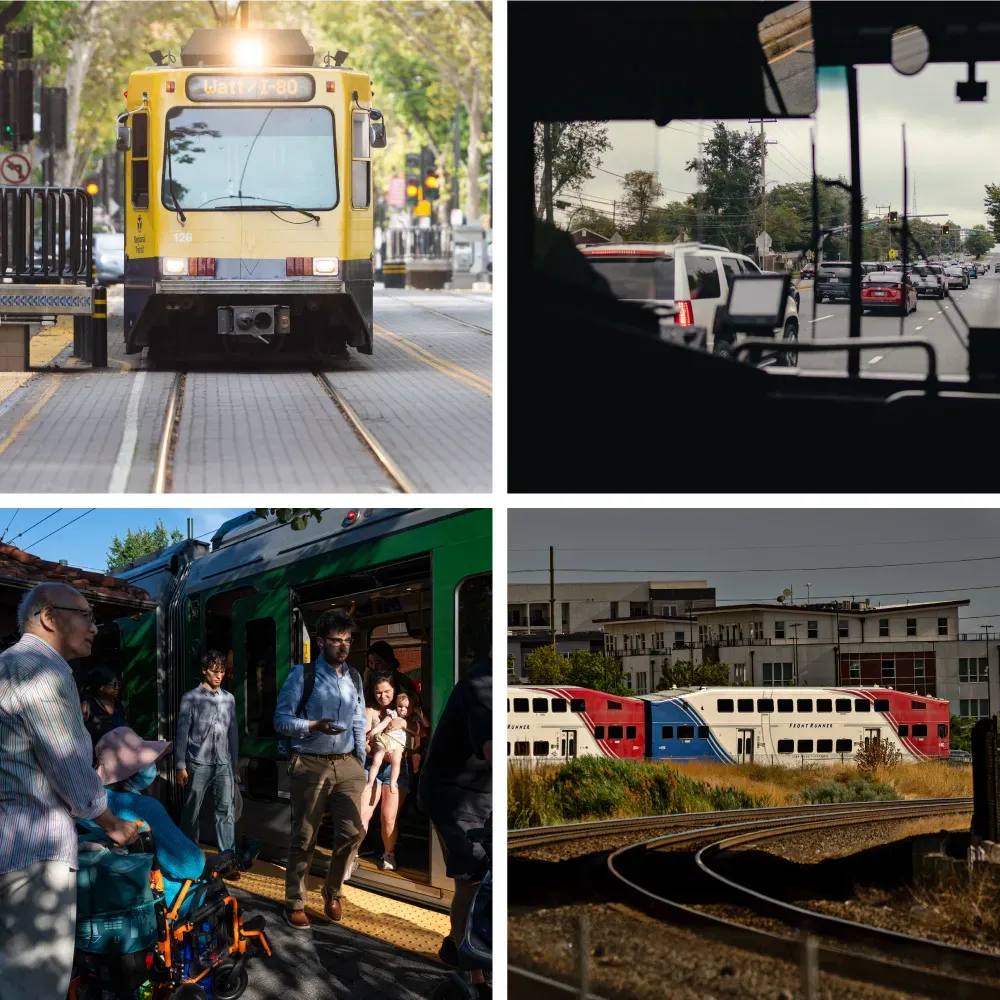
The Trump administration is pursuing a new tactic to restrict federal transit funding by rewriting the rules that govern how projects qualify and win awards, a change that could make it harder for dozens of projects across the country to secure money they have pursued for years. For anyone with capital committed to transit-adjacent construction, municipal debt, or a local match already spent, the risk has shifted from budget season to the rulebook.
The Trump administration's new move against transit funding is not a line-item cut. It is a rewrite of the rules that determine which projects win federal money in the first place, and that distinction is the entire story. According to The New York Times, the tactic could make it harder for dozens of projects across the country to get funding they have pursued for years. Read that carefully: not projects that just filed paperwork last quarter, but projects with years of pursuit behind them, the ones that already spent real money and real time clearing federal hoops. When the rules change, the finish line moves, and it moves for the runners who are closest to it.
Why is a rule change more powerful than a budget cut? Because Congress writes the checks, but the executive branch writes the instructions. In practice, the agencies that administer discretionary grant programs define the scoring criteria, the sequencing, the documentation requirements, and the discretion to fund or defer. A hostile appropriations cycle is loud, public, and negotiable on the floor. A rewritten rule is quieter, faster, and does not require a single vote on the Hill. For an administration looking to restrict where money flows without picking a fight it might lose, the rulebook is the cheapest available lever.
Transit is unusually exposed to that lever because its federal pipeline is long and sequential. The Federal Transit Administration's discretionary capital program has historically moved projects through stages, from project development to engineering to a full funding grant agreement, which functions as the federal government's handshake on a specific dollar commitment. Projects have typically been scored on criteria such as cost-effectiveness, land use, and the strength of the local financial commitment. Each stage assumes the rules stay stable long enough to reach the next one. Strip that assumption out and every project in the middle of the pipeline is repriced overnight.
The sunk-cost problem is where this bites hardest. Local agencies typically fund a substantial share of design, engineering, and environmental review before federal construction cash arrives, and many of those commitments were approved by voters at the ballot box or locked into multiyear capital plans. That spending is not recoverable if a project stalls. The money is already in drawings, soil samples, consultant contracts, and right-of-way. A rule that raises the bar retroactively does not merely deny a future check; it devalues work already completed against a standard that no longer applies.
Rule changes are not free, either. Federal courts routinely test agency rulemaking against the Administrative Procedure Act, which generally requires a reasoned explanation, a genuine notice-and-comment process, and consistency with the agency's own record. Rules that skip steps, ignore comments, or contradict prior findings are the ones most often sent back. That creates a second clock: projects can be delayed by a rule that is later vacated, and the delay itself is the damage. Legal risk does not restore a construction season.
The second-order exposure runs wider than the transit agencies themselves. Engineering and construction firms carry backlogs tied to these projects, and deferral risk tends to surface in their guidance before it surfaces in revenue. Municipal bondholders and the agencies that issue transit debt price in federal participation, so uncertainty about the federal share can ripple into borrowing costs. Transit-oriented development pipelines, the apartment towers and retail pads that get financed on the promise of a station, are underwritten on schedules that assume the federal money lands. Pull the federal anchor and the private capital around it reconsiders.
The read-across matters as much as the transit specifics. The same lever exists across the government's discretionary grant programs, from rail to highway to energy. If award criteria can be rewritten after projects have been evaluated against the old ones, then every discretionary program becomes a policy instrument rather than a merit process, and the precedent is portable. Peers in other sectors should be watching the transit rule for the template, not just the outcome.
What to watch next is specific. The text of the rule itself will show which criteria changed and whether the changes apply to new applicants or to projects already in the pipeline. The comment docket will show who shows up to fight and on what legal theory. And the litigation record will telegraph which changes survive contact with a court. For now, the honest read is that the money has not disappeared. The map to it has been redrawn, and the projects furthest along have the most to lose from a redraw they did not see coming.
This story's Key Insights and Take-aways are locked.
Create a free account to unlock Executive Actions for one credit.
Register to UnlockAlways free for Executives Club members. Join the Club
More in Politics
'Mentor grandfather, not the godfather': GOP chairs brace for Trump's 2028 grip
Two dozen-plus Republican state and county leaders tell Politico they are stuck with Trump in 2028, and the polling shows why they cannot say so out loud.
Democrats Agree on 'Medicare for More.' The Hard Part Starts in January.
A rare liberal-moderate truce has produced a consensus health plan, but the mechanism Democrats choose will decide who gets covered, how fast, and who pays for it.
Hakeem Jeffries' Three Tests: Trump, Schumer's Job and Stephen Miller
The Democratic nominee for House speaker is now on the record about investigating Trump, whether Chuck Schumer should be majority leader, and whether he would ever sit down with Stephen Miller.