
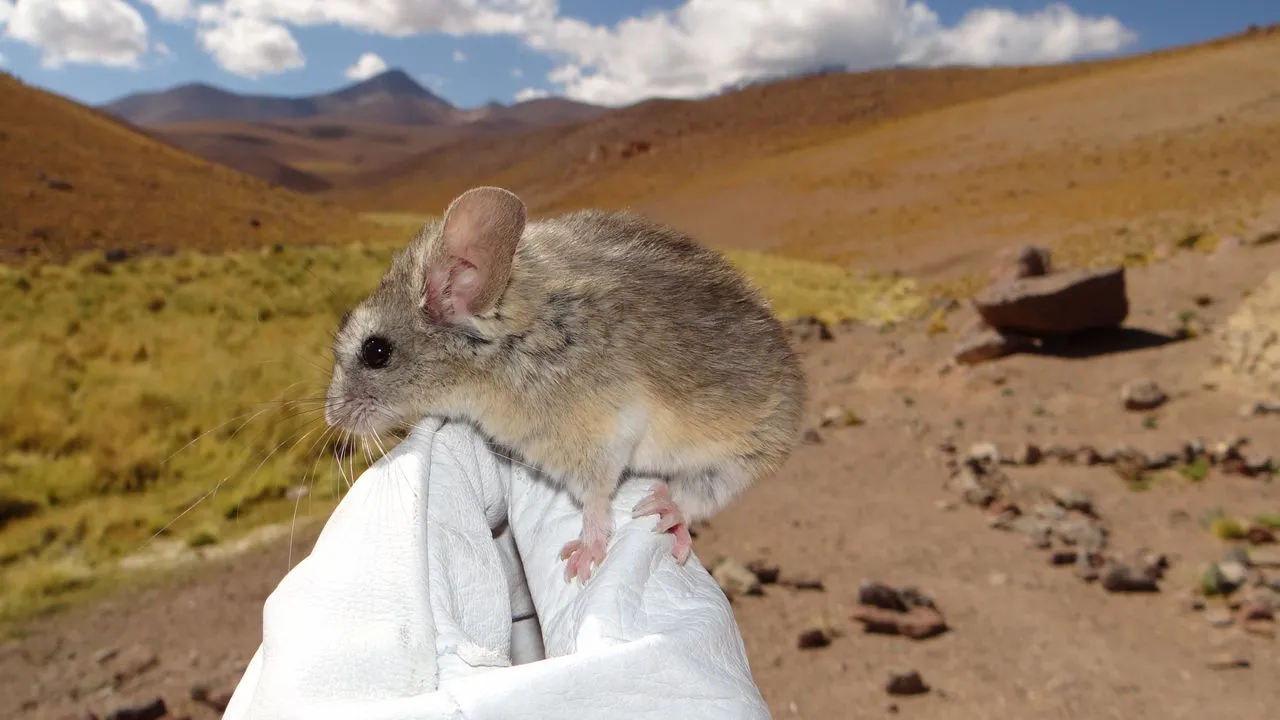
Mice survive 22,110 feet on frozen volcanoes by eating toxic plants
A July 9 Science study maps the genetic and physiological hacks that let Andean leaf-eared mice thrive where humans cannot.
By Hessa Al-Faleh·· 4 min

Curating from trusted global sources…
Curated from trusted global sources, refined into briefing-grade analysis with executive summaries, insights, and bullet-point takeaways.
A July 9 Science study maps the genetic and physiological hacks that let Andean leaf-eared mice thrive where humans cannot.

If the math for steel and other metals is off by an order of magnitude, net-zero plans and budgets need an urgent re-check.
A commercial tugboat in space is attempting to catch a slowly descending telescope and raise it to safety.
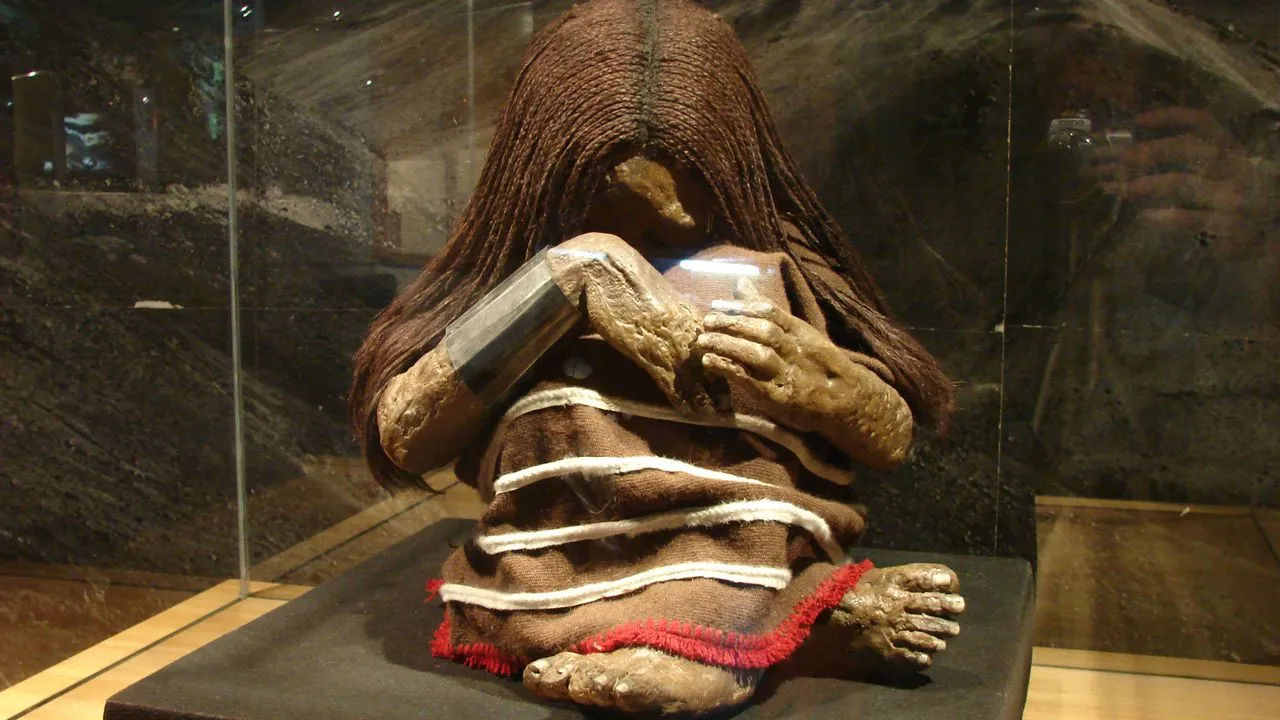
New Science Advances forensics reclassify how three sacrificed children died, while hair isotopes redraw their final pilgrimages.

NASA used layered X-ray and optical data to give Messier 94 (NGC 4736) a new audiovisual “look” and “sound.”
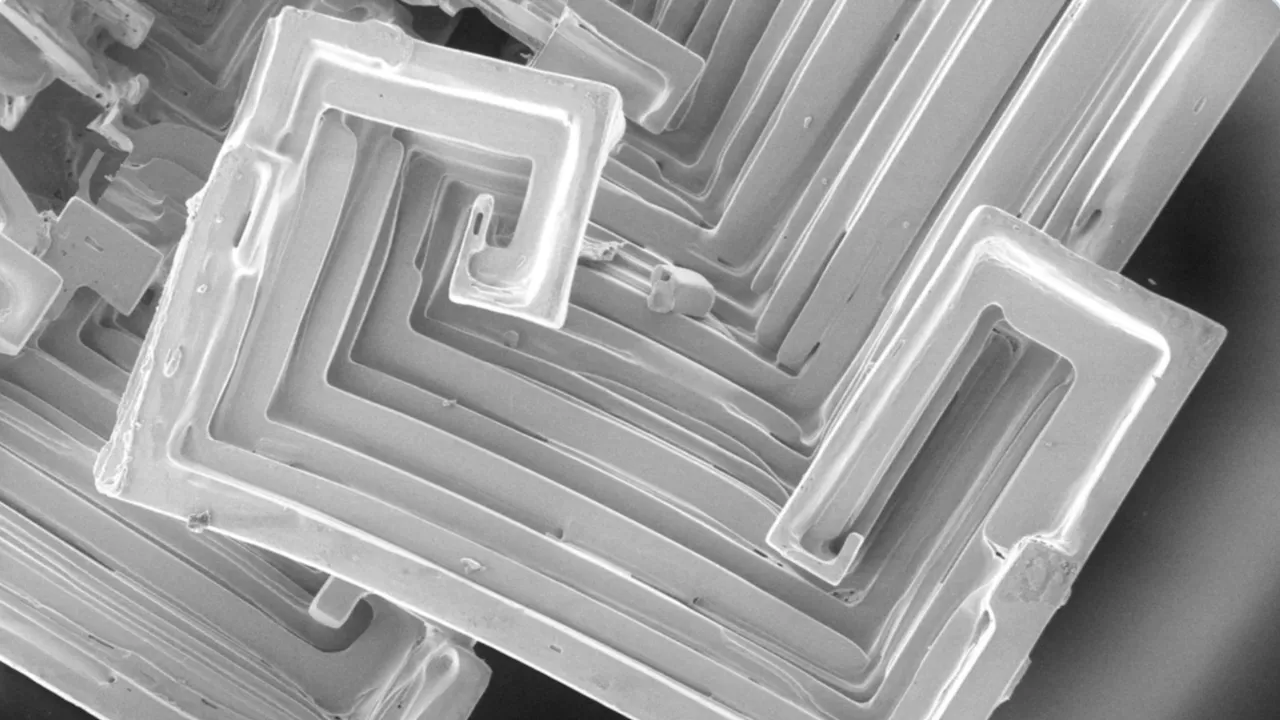
NASA astronaut Don Pettit posted potassium chloride crystal growth on the ISS, revealing how gravity reshapes crystallization into ordered layers.
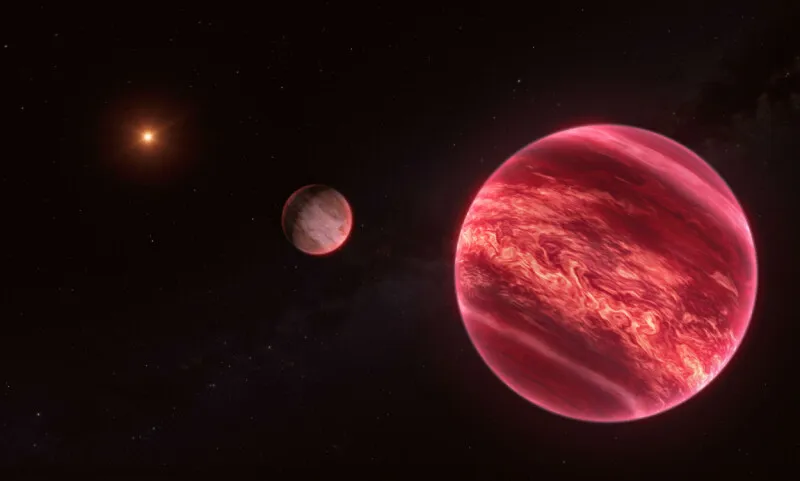
A Nature study finds a likely satellite around a brown dwarf, but it may not meet moon rules.

The Z Flip 8, Z Fold 8, and Z Fold 8 Ultra launch August 7, but the real spotlight is the Fold 8.
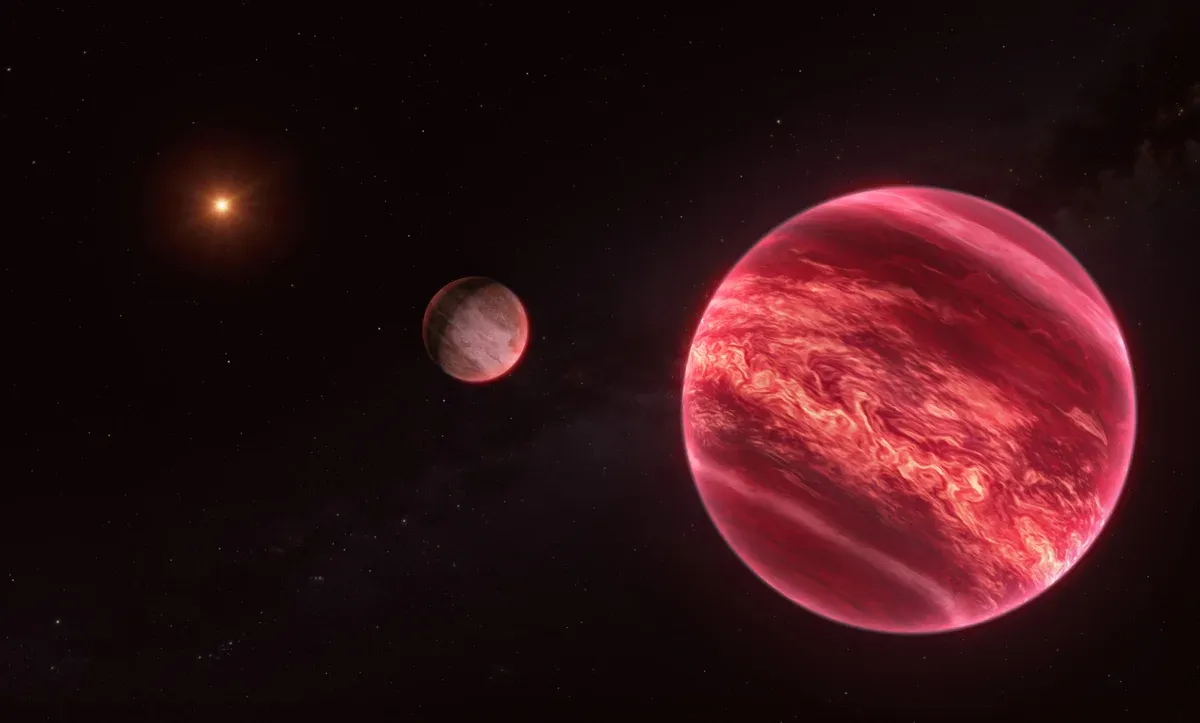
An almost-Jupiter body orbiting a brown dwarf challenges how astronomers classify moons, with real knock-on effects for future surveys.
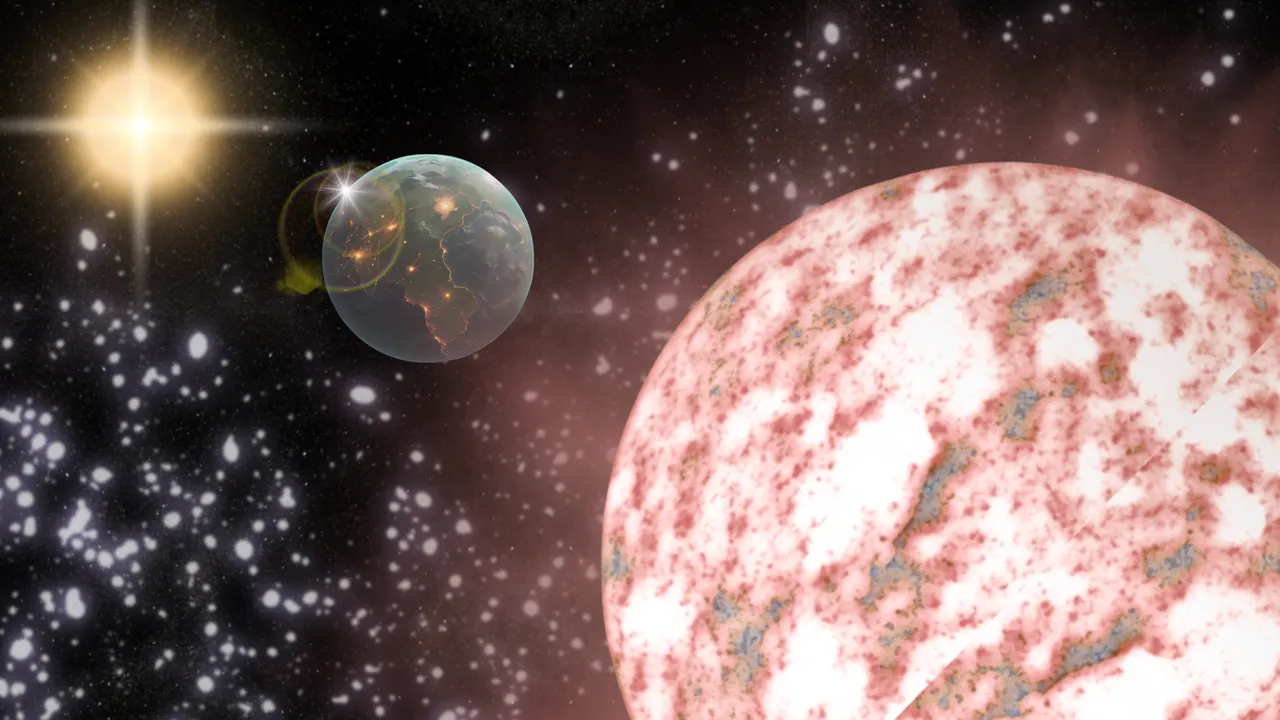
A Nature paper says the object is likely not an exomoon, yet it is a first-of-its-kind exosatellite at 73 light-years.
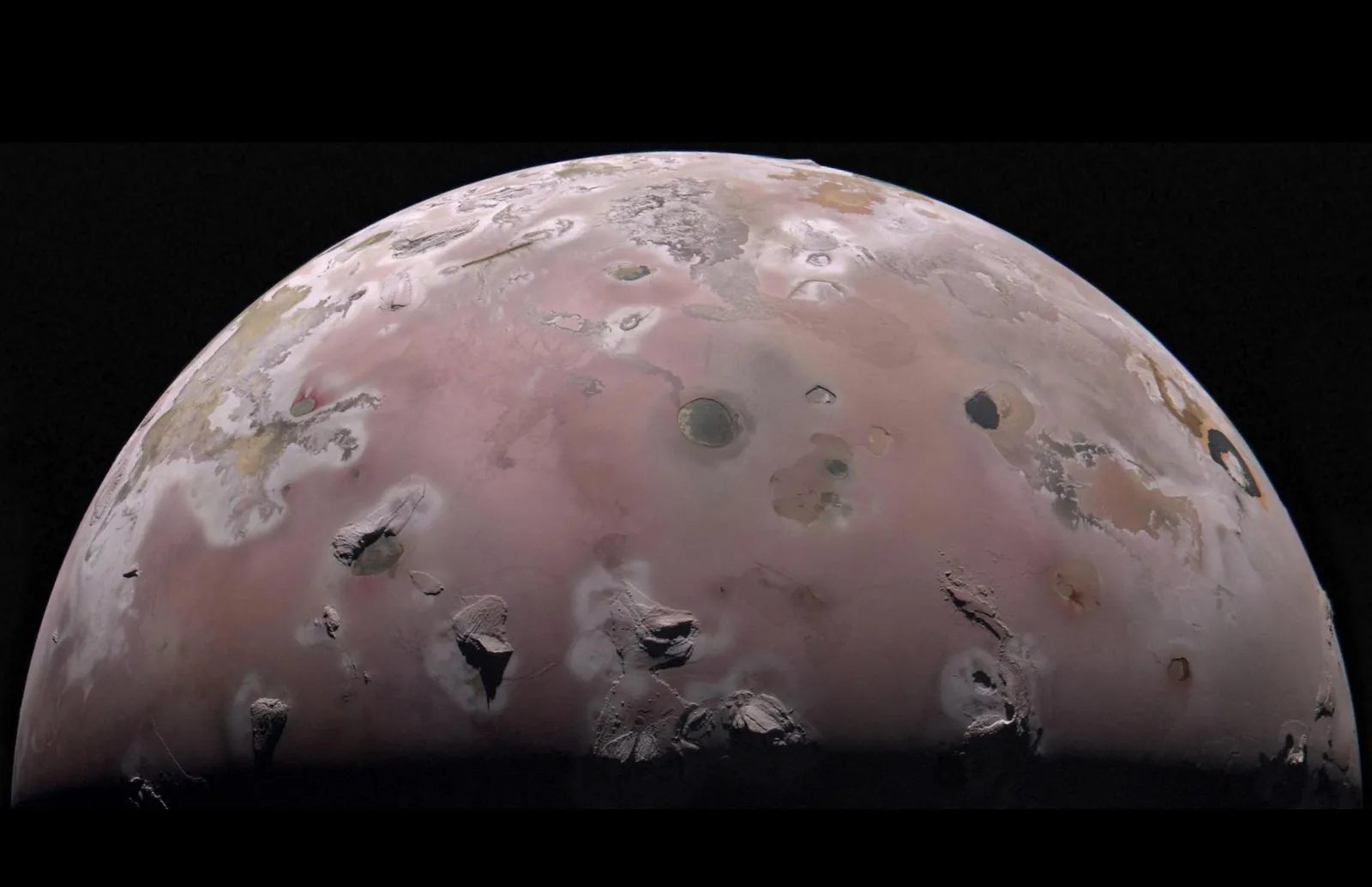
Two close flybys let NASA measure below Io’s surface, proving tidal heating and reshaping how scientists read volcanoes.

Chopping a photon in half sounds impossible, until a moving mirror changes the rules mid-process and releases new photons.