Mice live where oxygen halves, and their survival strategy rewrites high-altitude playbooks
At elevations with less than half the oxygen of sea level, these mice rely on physiological adaptations that are unusually specific.

Loading briefings
Pulling the latest in this topic…
Research, space, health, climate, discovery
858 briefings briefings in Science
At elevations with less than half the oxygen of sea level, these mice rely on physiological adaptations that are unusually specific.
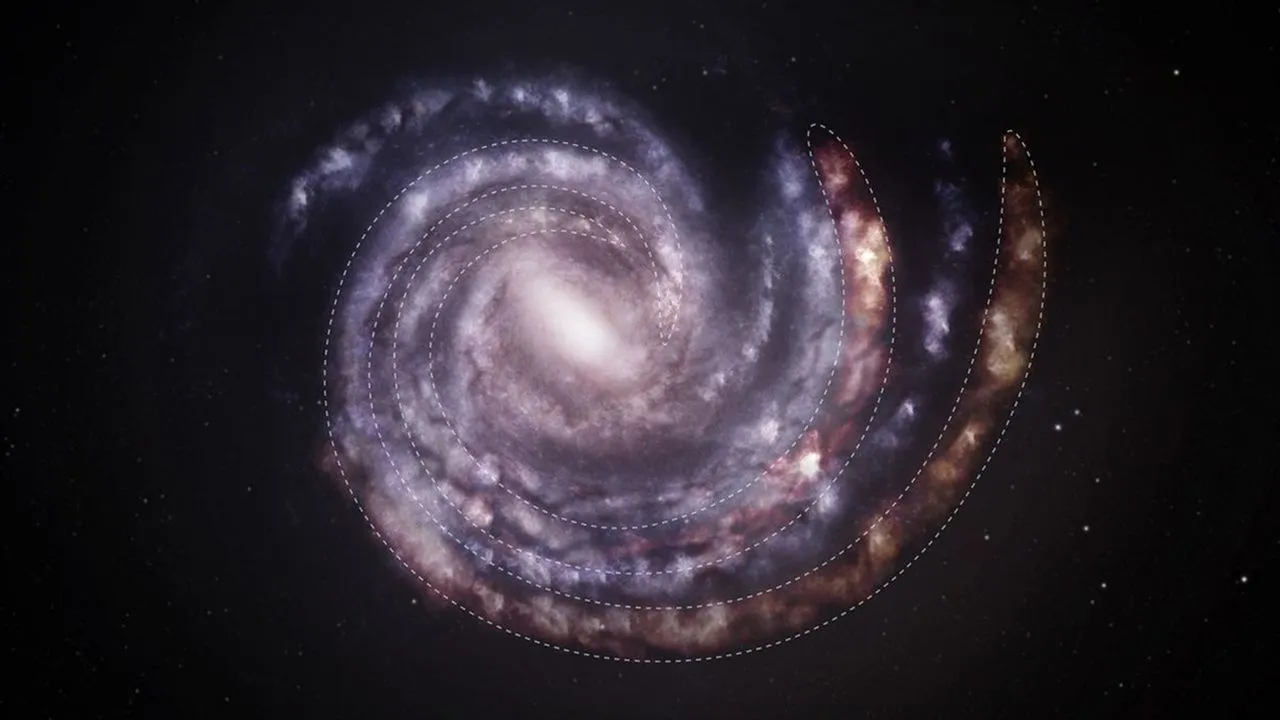
Chandra and XMM-Newton gamma-ray burst echoes suggest the Outer and Scutum-Centaurus arms sit thousands of light-years further out.
A new fossil find could rewrite when animals first showed consistent behavioral preferences, with ripple effects for how scientists interpret evolution.
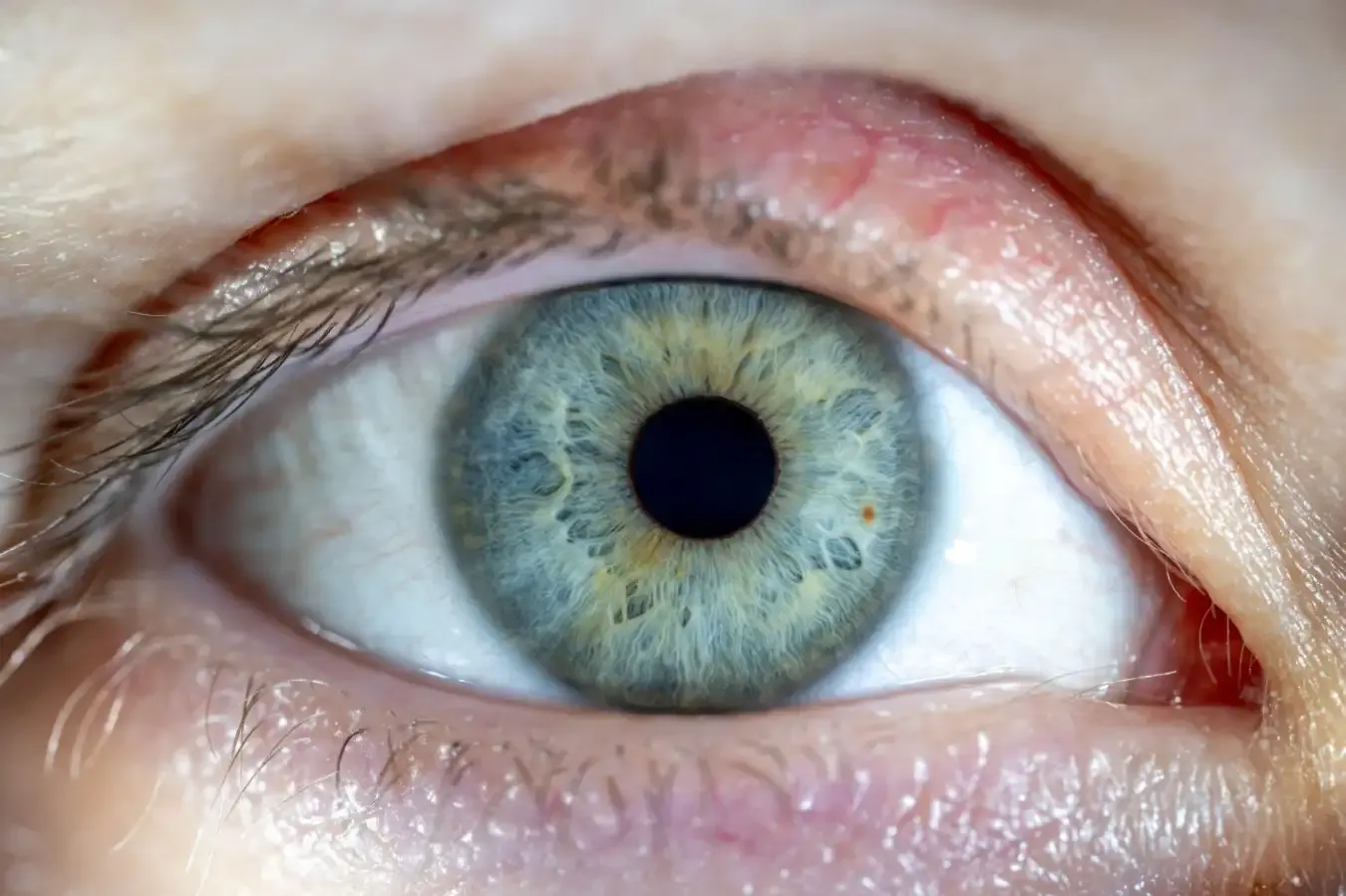
A new study shows light sensitivity can persist for hours postmortem, strengthening the transplant pathway for vision restoration.
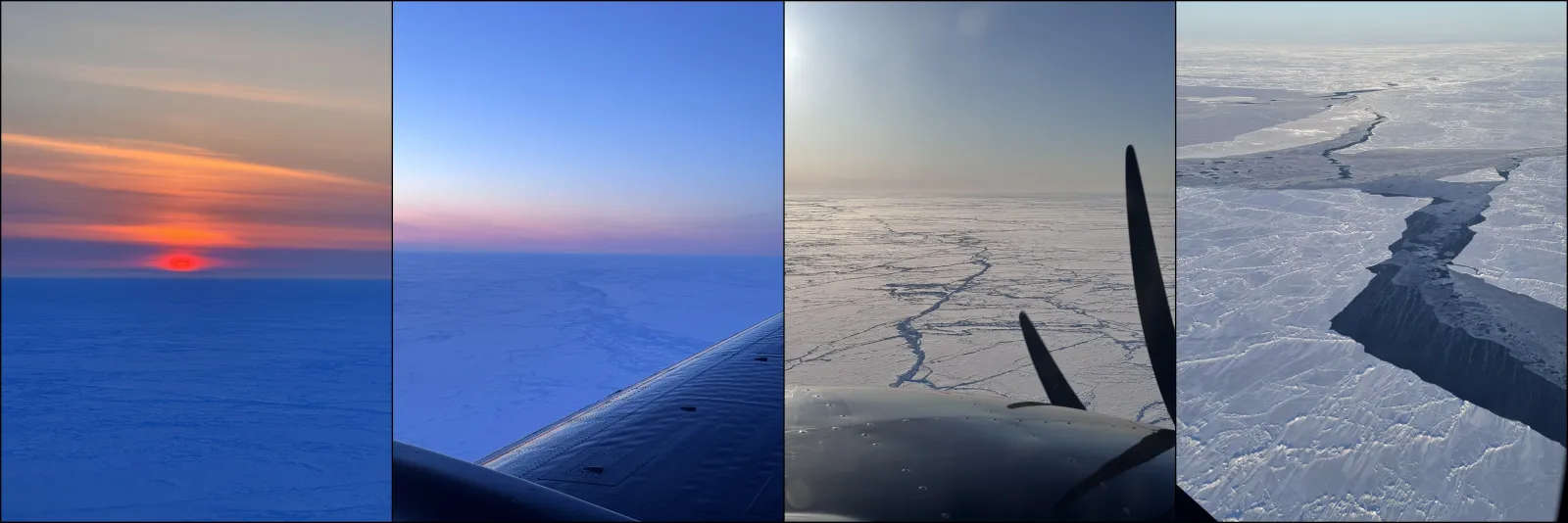
A two-week Canadian campaign timed aircraft and satellites to improve sea-ice thickness measurements that matter for climate, navigation, and future missions.
A 71-year-old opted for right-side inguinal hernia repair. Surgeons found a 26 cm living worm in his abdomen.
The first Quasi-Moon photo from Kamo‘oalewa turns a theoretical target into something mission planners can actually study.
A new paper argues Mars’ ancient clay at Oxia Planum could preserve evidence, and Europe is planning the landing.
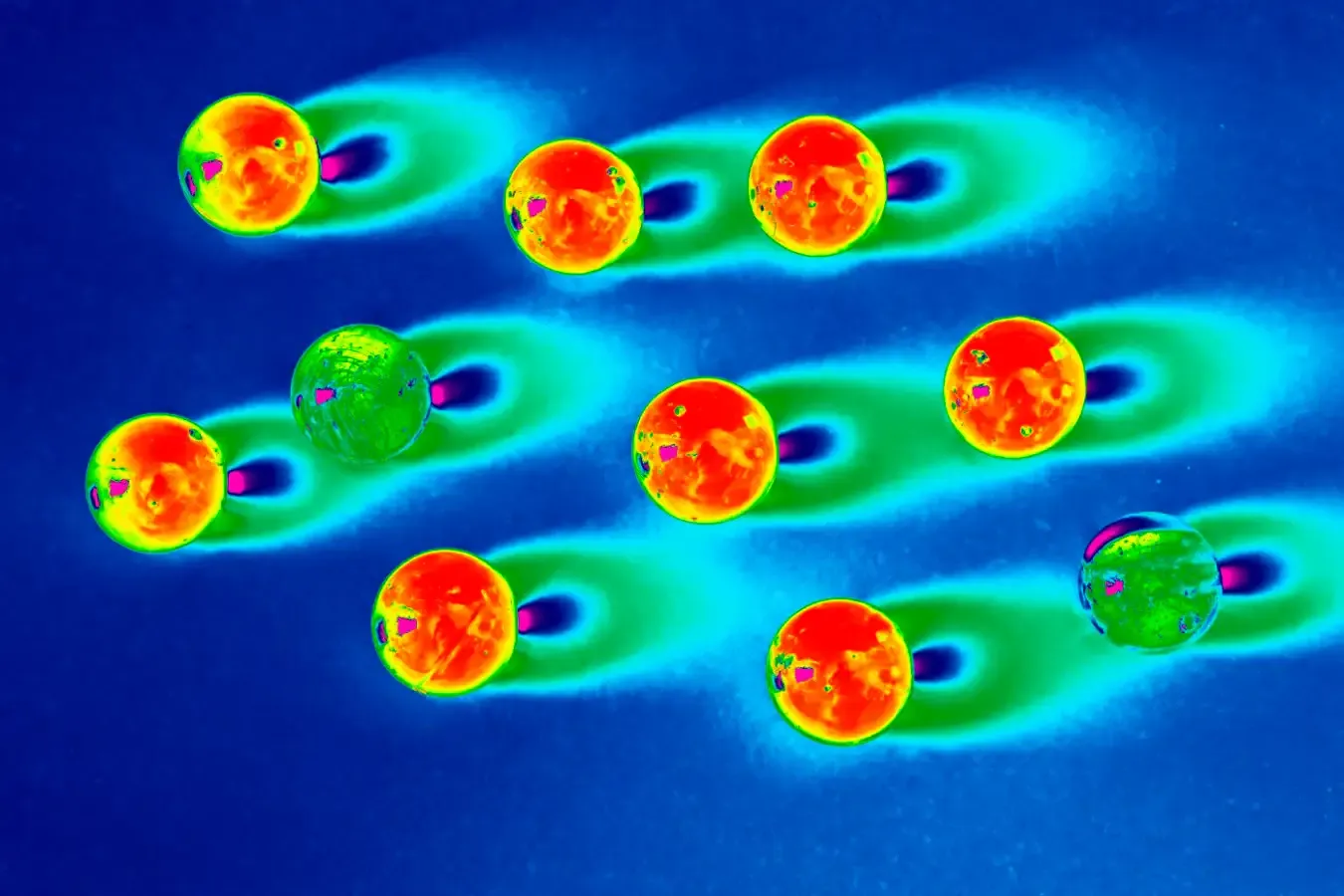
Gauge theory, already used in quantum fields, could give thermodynamics a stronger mathematical backbone for heat and work.
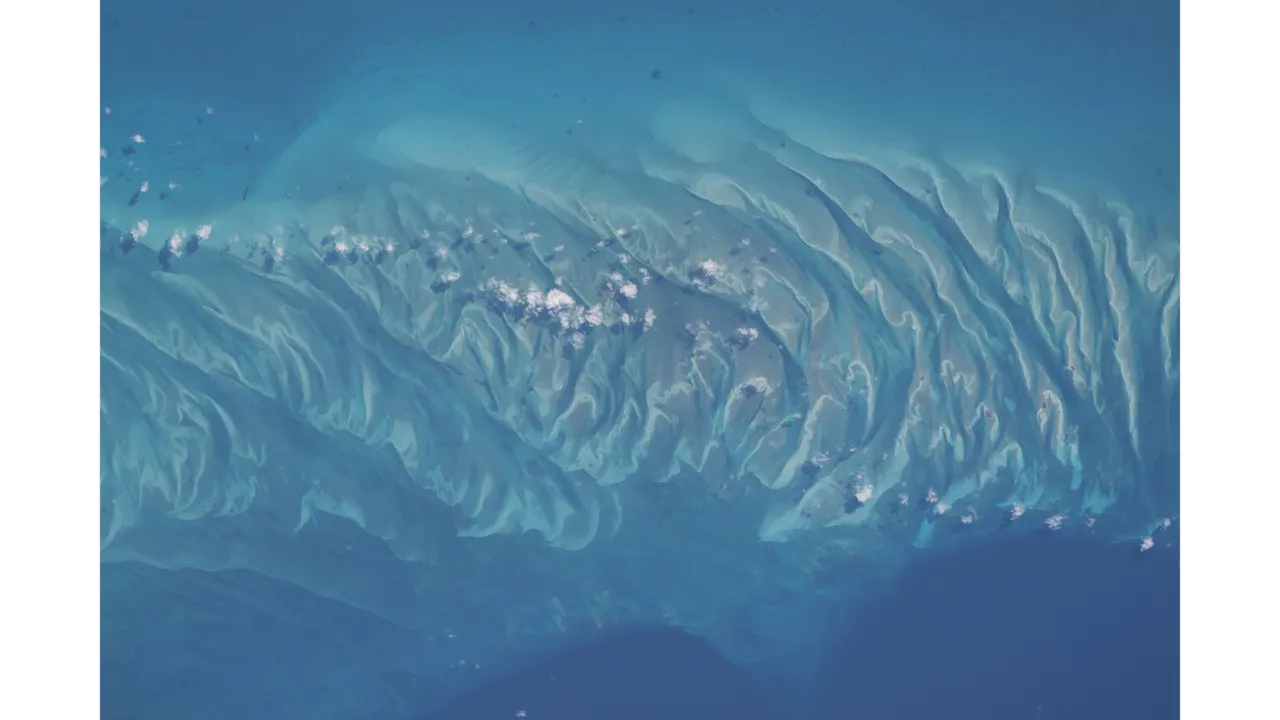
A summertime ISS snapshot turns into a reminder: we can still see beauty and physics clearly, even from space.
Universities in the US and Canada were targeted as credentials were stolen, with Proofpoint tracking the campaign back to May.
A leading astronomer explains why signals dissolve, and why a more grounded search changes what “rationally possible” means.