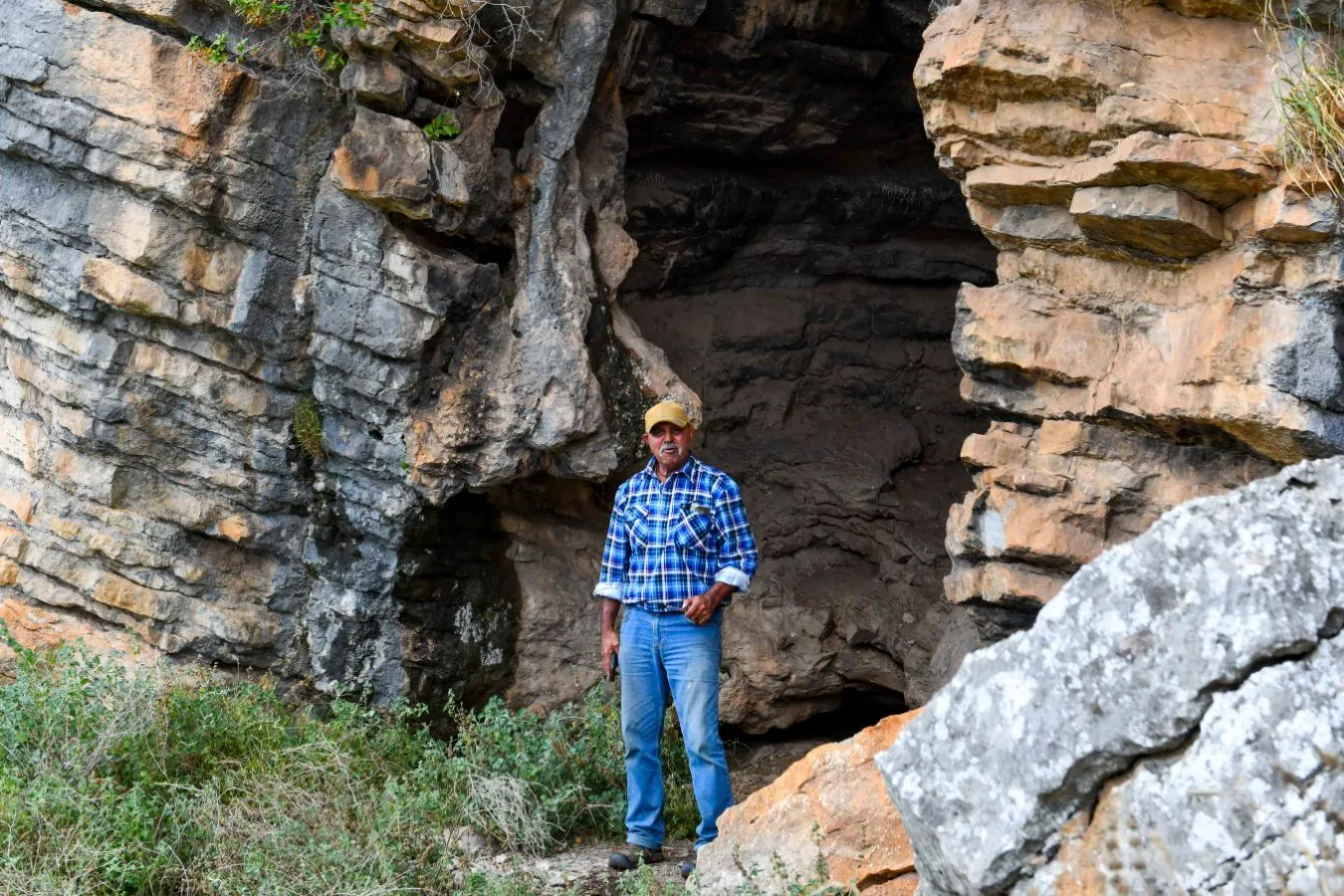
Cloggs Cave evidence shows 25,000 years of burning grass for magic, cures, and curses
A new cave-focused study ties Aboriginal oral traditions to long-running ritual practice, reshaping how we interpret “old” human behavior.

Loading briefings
Pulling the latest in this topic…
Research, space, health, climate, discovery
378 briefings briefings in Science
A new cave-focused study ties Aboriginal oral traditions to long-running ritual practice, reshaping how we interpret “old” human behavior.
Phytolith evidence shows grass ash was made in repeating layers, extending ritual continuity far beyond earlier estimates.
NASA tracks brown carbon from July 14-20, 2026, and shows how smoke worsened air quality across the U.S. and Canada.
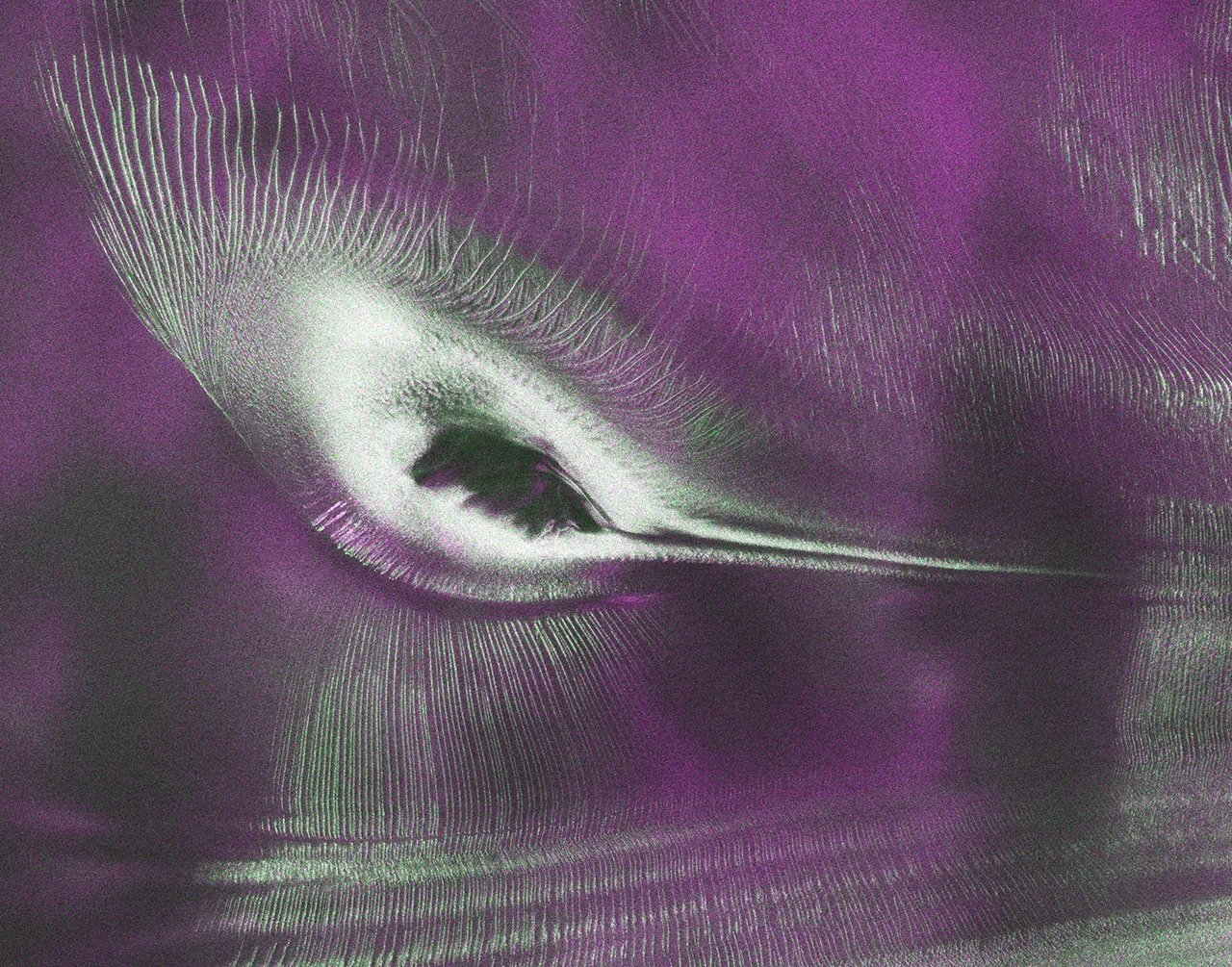
The August 2025 image of Nunatak Zaterjavshijsja reveals how an ice obstruction fractures the surrounding surface.
The UN report says 2025 brought the third straight decline, yet progress is fragile, uneven, and not enough to hit targets.
Nature frames why current building cooling tools strain, and what materials innovation could change for regulators and boards.
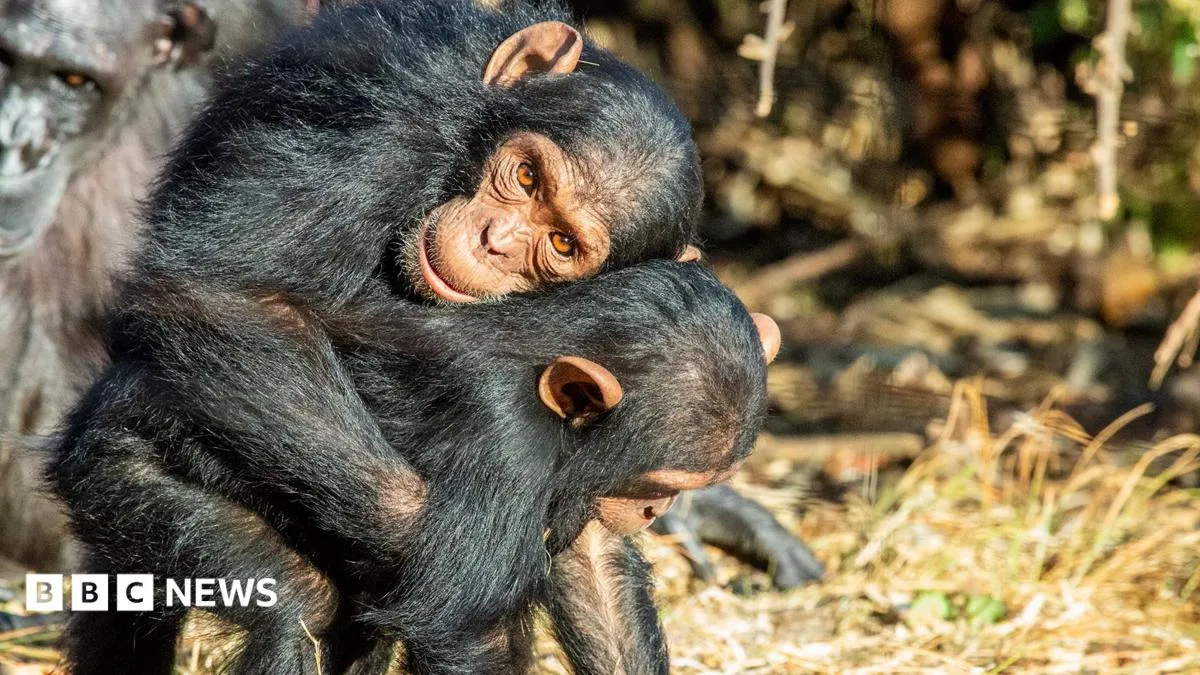
A new study suggests cuddling rituals may be an ancient trust-building tool, long before humans named it psychology.
A new wastewater treatment approach targets the hardest part of ion-exchange: what you do with used resin.
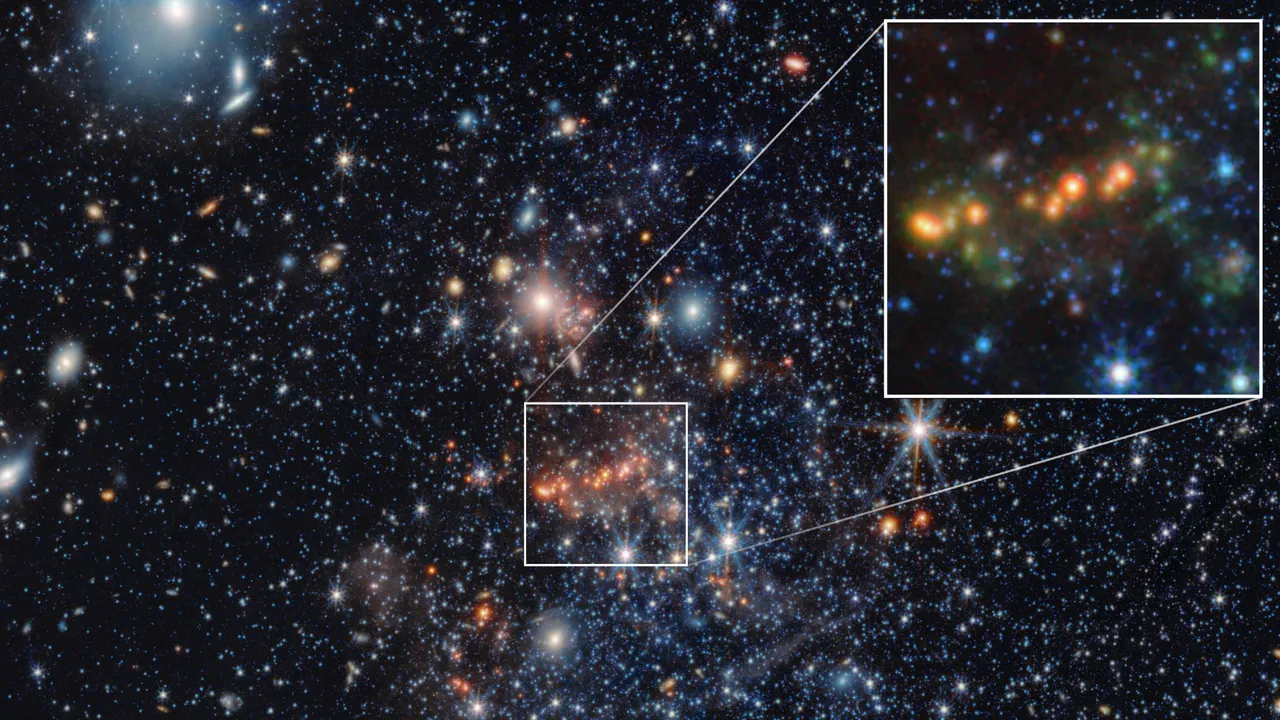
The James Webb Space Telescope peels back how early galaxies seeded stars with metals, using a nearby dwarf as a stand-in.
New Florida International University simulations suggest mergers are not the universal kill switch for star formation.
A habitable zone planet needs to be at least ~0.8 Earth radii to hold an atmosphere long enough.
NASA’s virtual news conference at 2 p.m. EDT Wednesday, July 29 will preview a launch planned for Aug. 30.