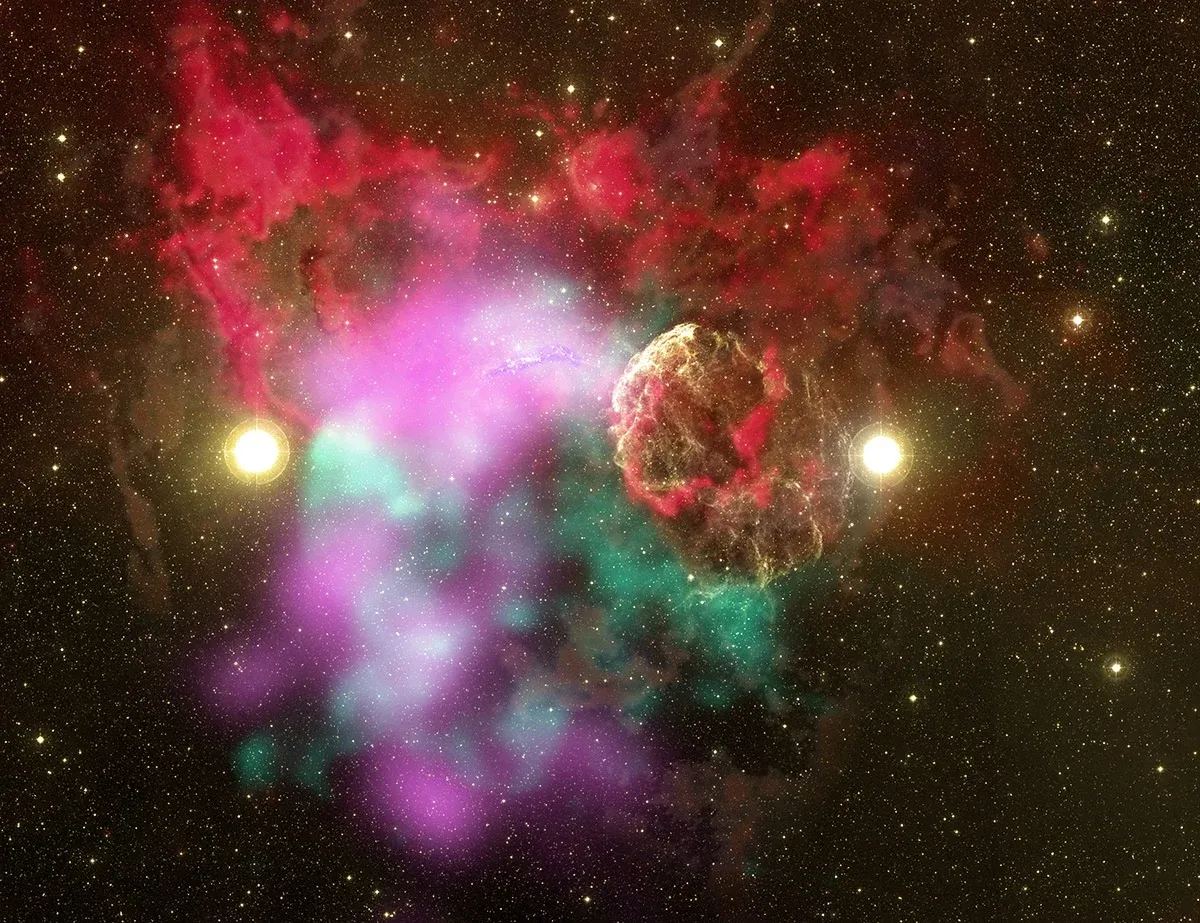
Nature Communications study finds first binary supernova pair in IC 443
Two supernova remnants, 30 to 50 light-years apart, appear to be the first twin-explosion system.
By Faisal Al-Qahtani·· 4 min

Loading briefings
Pulling the latest in this topic…
Research, space, health, climate, discovery
402 briefings briefings in Science
Two supernova remnants, 30 to 50 light-years apart, appear to be the first twin-explosion system.
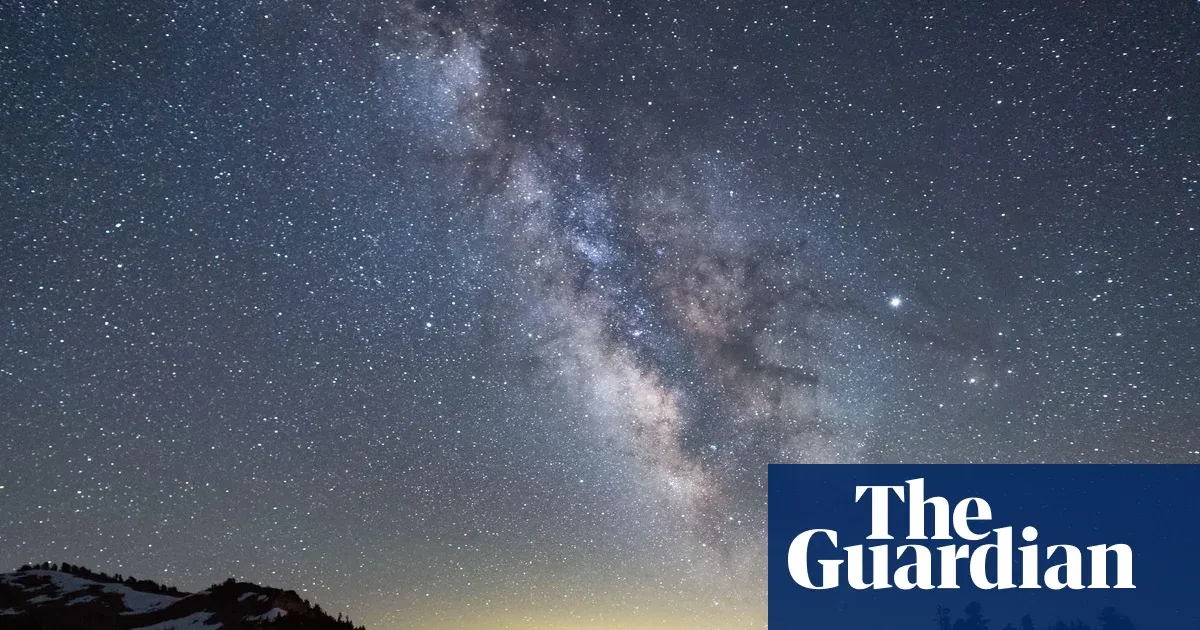
Durham researchers say a direct collision with Gaia Sausage rerouted the Milky Way’s orientation long before the Sun existed.
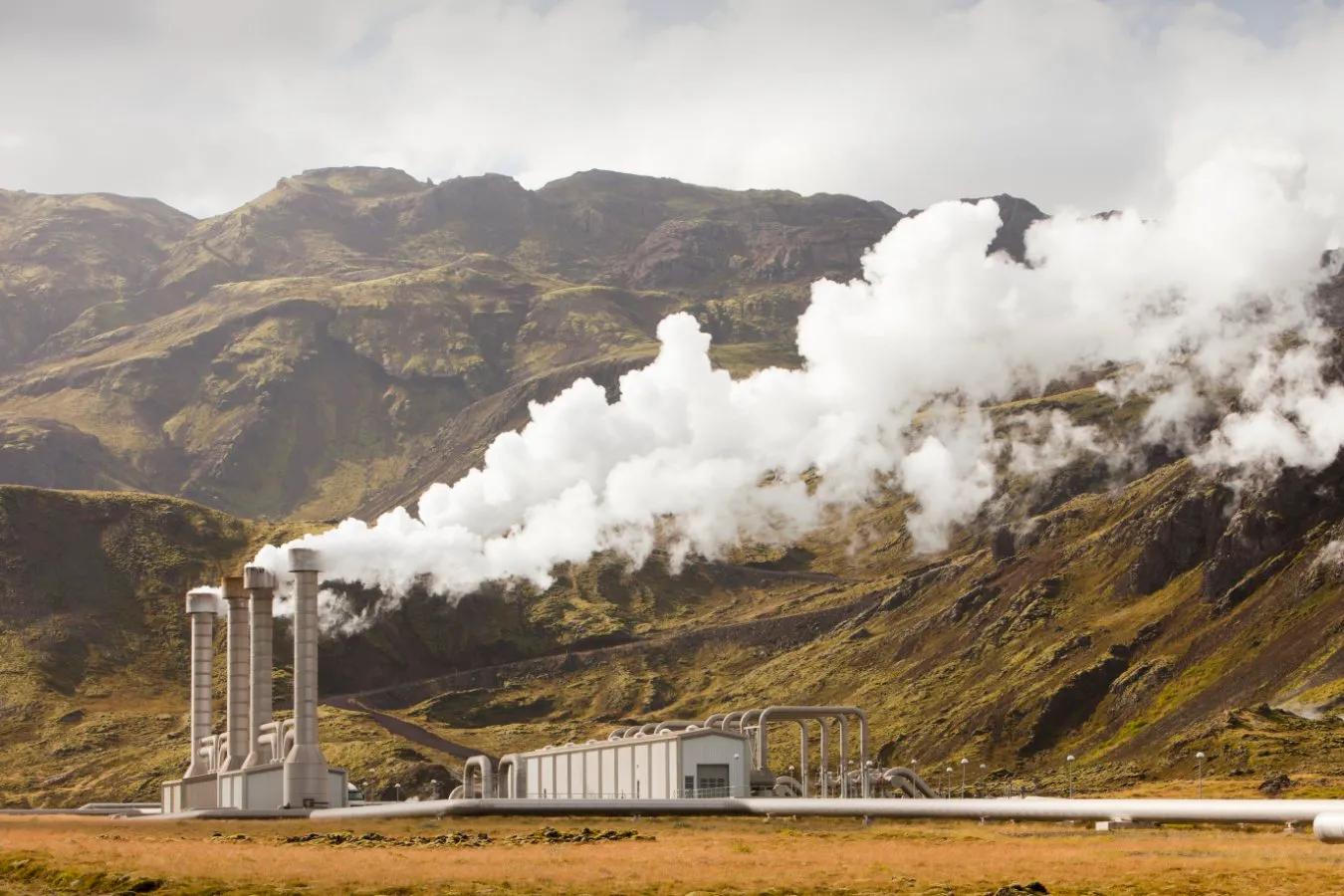
A new approach could expand geothermal beyond lucky regions, changing how investors and regulators underwrite baseload clean power.
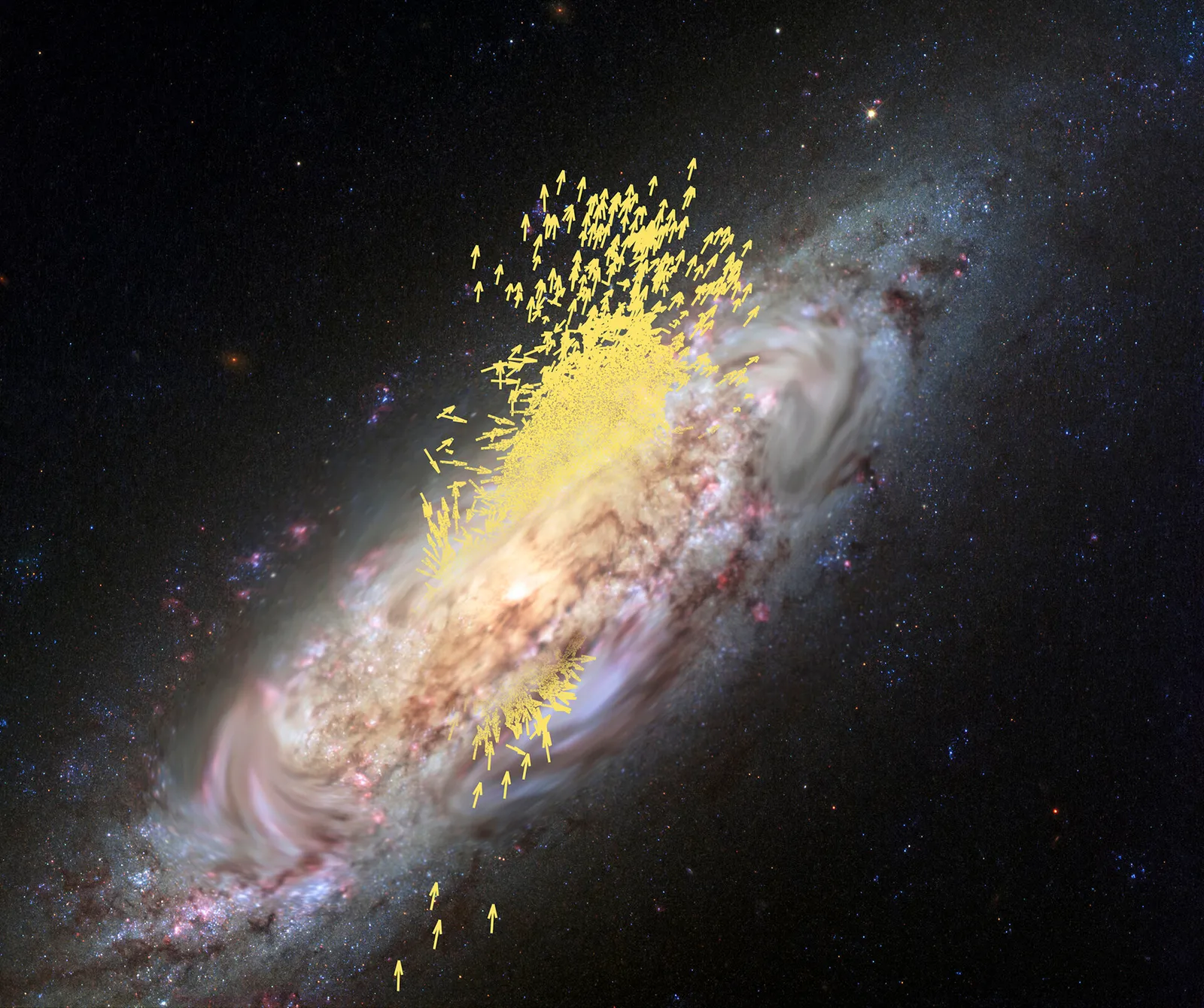
Slowly rotating stellar halos make “disk flips” more likely, offering a new path to explain long-standing mysteries.
Two sibling stars exploded as supernovas at once, offering a new way to study stellar death and timing.
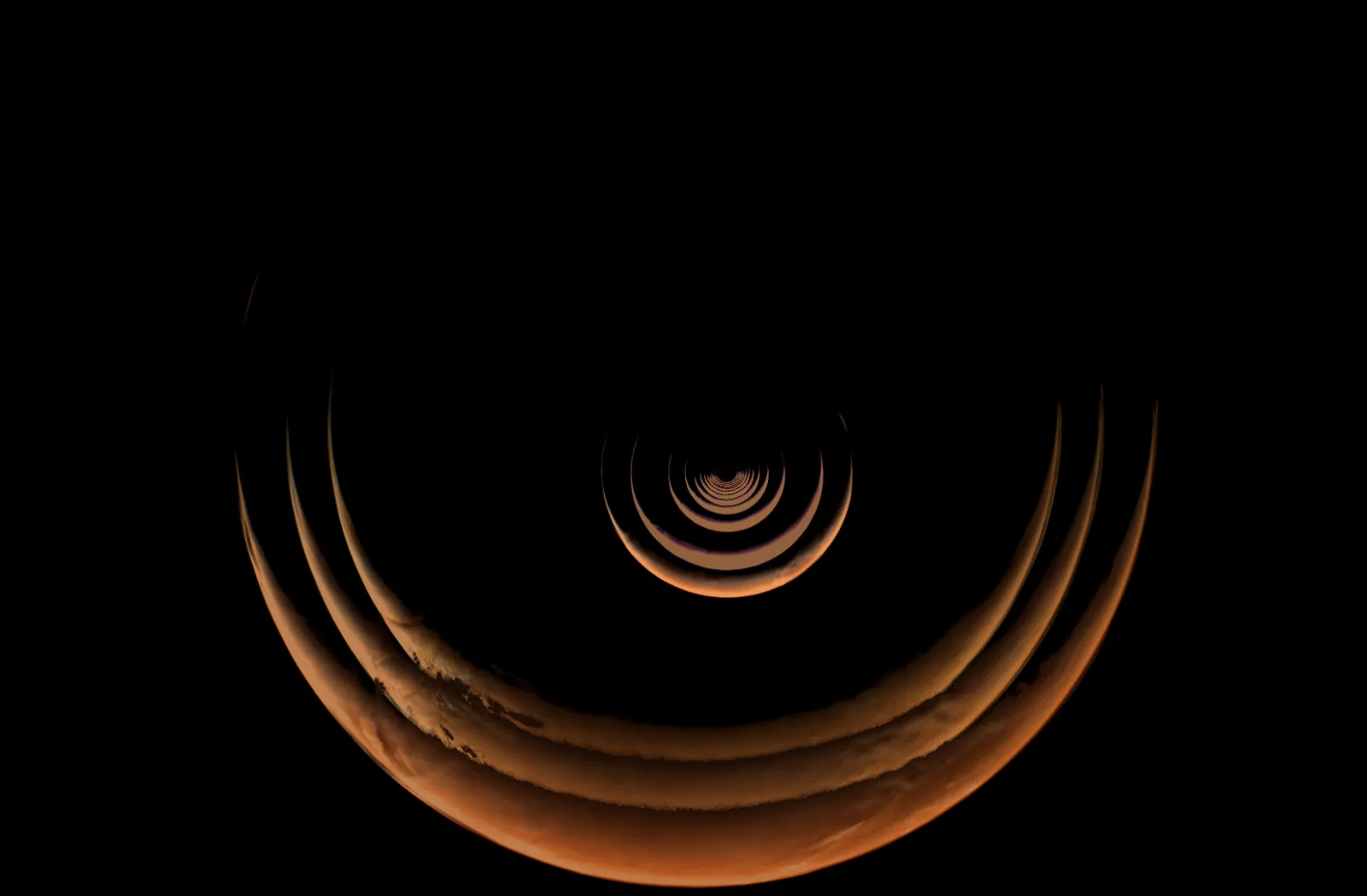
A July 17 composite photo shows Mars turning from crescent to close approach as Psyche gains speed for the 2029 asteroid arrival.
The new NASA-STD-3001 requirement ties habitable-air exposure to a 24-hour time-weighted average, with peak spikes handled.
New measurements suggest the planet’s magnetic engine kept running for billions of years, despite cooler-than-expected core estimates.
Motivation, persistence, and school climate may be as decisive as academic achievement for whether students earn a degree.
An amateur’s spotting turned into field evidence, and scientists now need microscopic confirmation before the impact call becomes official.
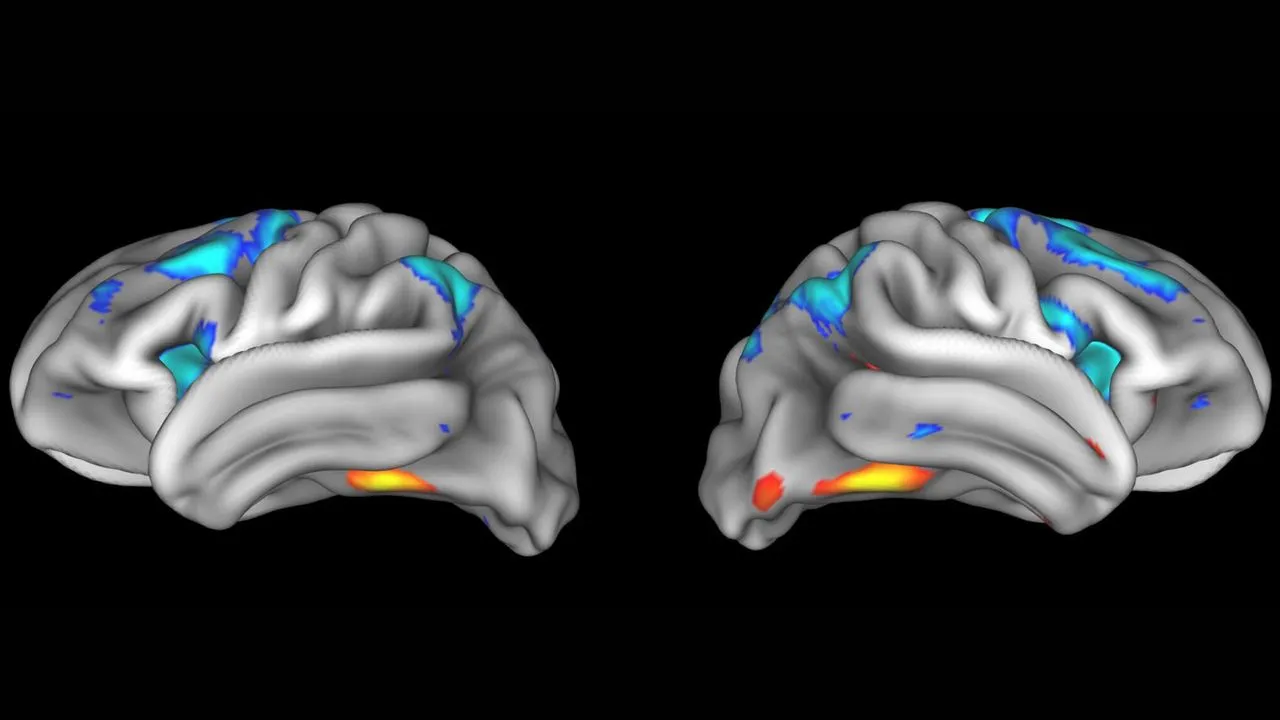
A replication crisis in MRI-linked brain-behavior findings is derailing what researchers think they know, and why it matters for medicine.
A 48-light-year rocky world finally shows confirmed air, and it reframes what “habitable” planets should look like.